
From purchase and pickup to title review, AES filing, container securing or RoRo, vehicle export requires one coordinated plan before the unit reaches the port.
Vehicle export starts before the vehicle reaches the port
Exporting a vehicle from the United States to Brazil or another Latin American market does not begin with a vessel booking. It begins with a more important question: can this vehicle enter, clear customs and be registered in the destination country?
Vehicle condition, model year, title status, technical configuration, destination and intended use can completely change the process. Validating these points before purchase helps avoid storage, re-export, delays and costs that an ocean freight quote alone cannot reveal.
The route should only be booked after the vehicle, documents, shipping method and destination requirements are aligned.
One operation, six coordinated stages
Python Logistics brings commercial, documentary and physical decisions into one operating flow.
- Destination feasibility
Pre-validation of age, condition, homologation, title and importer-country rules.
- Purchase and ownership
Review of Title or MSO, invoice, VIN and possible liens before pickup.
- Pickup and receiving
Domestic transport, warehouse intake, visual inspection and photo report.
- U.S. export filing
EEI/AES preparation, ITN issuance and documentary coordination with CBP.
- Unitization and protection
Loading, positioning, blocking and securing according to vehicle and equipment.
- Shipment and arrival
International freight, transport documents and coordination with the destination agent.
Container or RoRo?
There is no universally superior method. The decision depends on the route, vehicle value, operating condition, service availability and carrier requirements.
Container
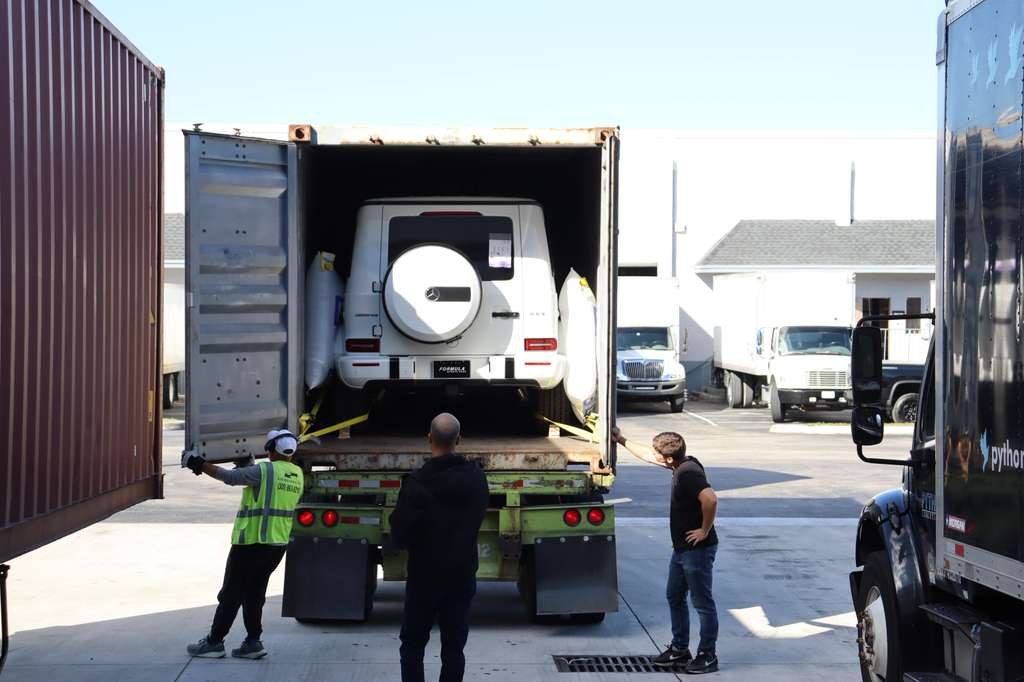
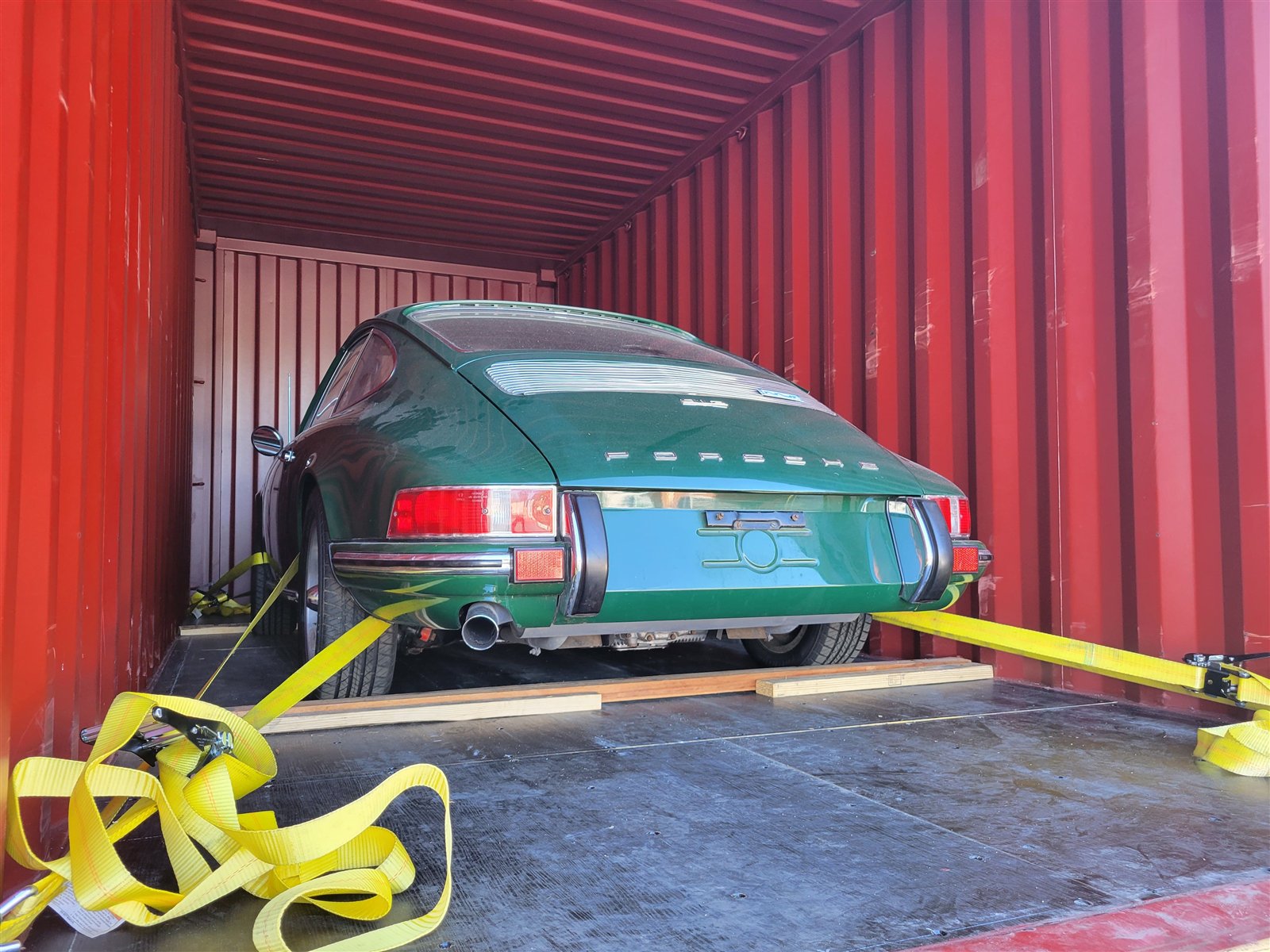
The vehicle is received, inspected, positioned and secured inside the equipment.
- Greater control over unitization
- Strong option for high-value or collector vehicles
- Multiple units may be consolidated, subject to dimensions and acceptance
- Photo record of loading and securing
RoRo
The vehicle is driven on and off the vessel using built-in ramps on routes offering the service.
- Efficient flow for rolling cargo
- Normally requires the vehicle to run, be clean and empty
- No container unitization required
- Acceptance conditions vary by carrier and port
Brazil: regulatory feasibility comes before purchase
New, used and collector vehicles follow different paths
Brazilian rules do not treat every vehicle the same. SECEX Ordinance 249/2023 establishes a general prohibition on the import of used consumer goods, subject to specific exceptions. One exception covers vehicles manufactured more than 30 years ago for cultural and collector purposes.
For new light-duty vehicles, the LCVM environmental configuration license issued by Ibama demonstrates compliance with emissions and noise requirements and is necessary before the vehicle can be regularized in Brazil.
Practical conclusion: eligibility and homologation must be evaluated before purchase, pickup and ocean booking.
Latin America: one region, multiple entry rules
“Latin America” is not a single customs jurisdiction. Individual countries may impose age limits, restrictions on used or salvage-title vehicles, emissions and safety requirements, pre-shipment inspections, left- or right-hand-drive rules and different tax methodologies.
A correct quotation therefore cannot start only at the U.S. port. It requires destination-agent validation using the VIN, model, year, condition and importer profile.
The vehicle document file
A secure export depends on consistency between ownership, the vehicle's physical identity and the customs filing.
- Certificate of Title or MSO, as applicable
- VIN verified on the vehicle and documents
- Invoice or Bill of Sale
- Owner and exporter identification
- Authorization or power of attorney, when applicable
- EEI/AES and Internal Transaction Number, ITN
- Destination licenses and homologations
- Booking and shipping instructions
In the United States, CBP requires export documents for used self-propelled vehicles to be submitted to the port of export at least 72 hours in advance. The EEI is filed through AES, and the vehicle is presented for documentary review and VIN verification under the port's procedures.
From pickup to securing: documented control
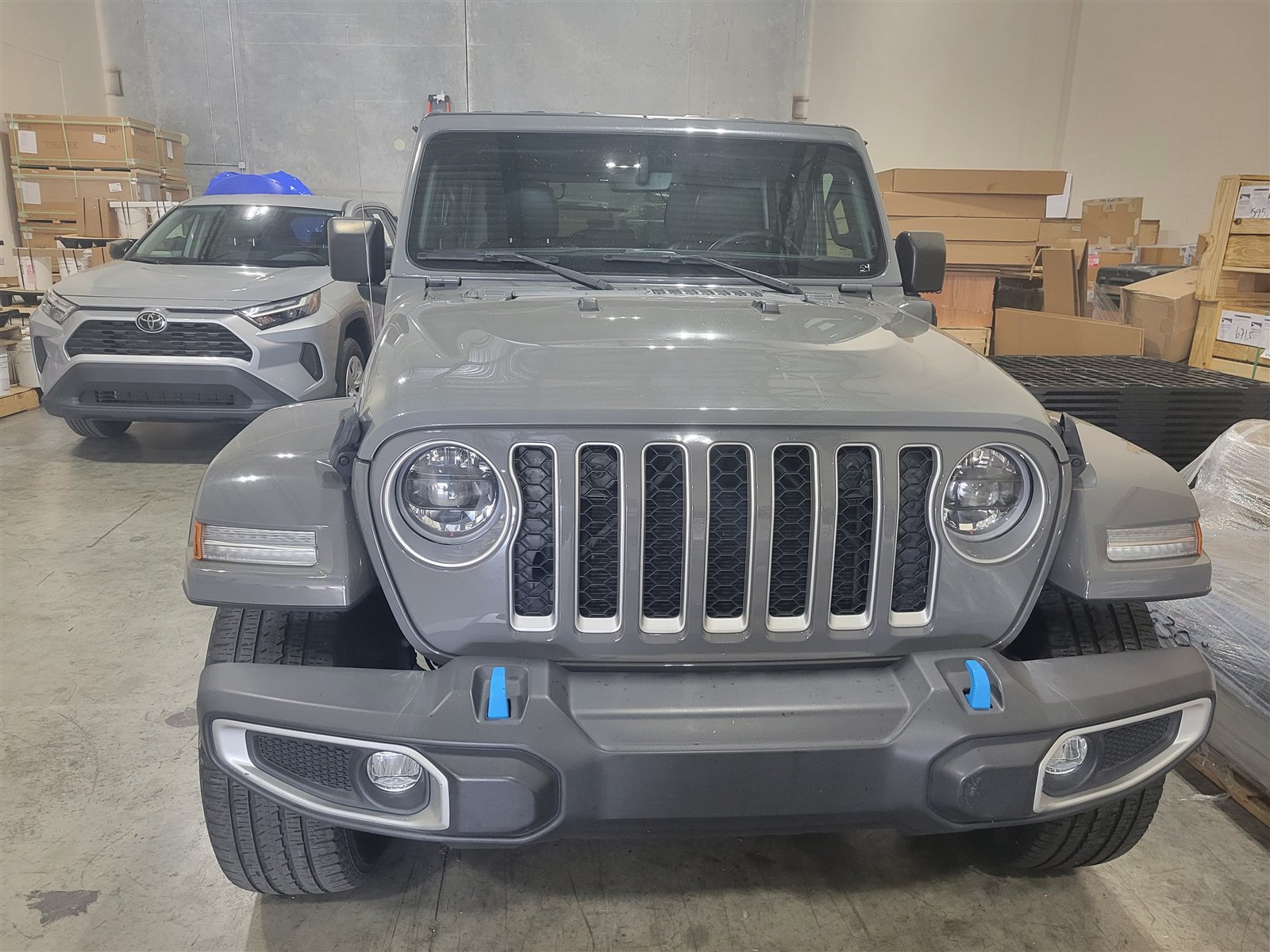
The images below show actual operations coordinated by Python Logistics. The objective is not simply to place a vehicle inside the equipment, but to document its condition, position, blocking and securing before the container is closed.
What Python Logistics coordinates
- Route pre-assessment: initial alignment between vehicle, destination and transport method.
- Domestic pickup: collection from a dealer, auction, residence or warehouse in the United States.
- Receiving and inspection: visual review, VIN check and photographic record.
- Export documentation: coordination of Title/MSO, AES, ITN and port procedures.
- Container or RoRo: method selection based on cargo profile and route availability.
- Shipment and destination: international freight and interface with the local arrival agent.
When eligibility, documents and physical operations are managed under one plan, the shipment becomes more predictable and risk is addressed before it reaches the port.
Official sources consulted
- U.S. Customs and Border Protection, vehicle export requirements.
- U.S. Census Bureau, reporting used vehicles in AES.
- SECEX Ordinance 249/2023, consolidated text, Brazilian rules for used consumer goods.
- Ibama, LCVM for new light-duty vehicles.
Informational material updated in August 2026. Customs, tax, environmental and registration requirements vary by country, port, vehicle condition and model. Feasibility must be confirmed for each operation before purchase and shipment.
We validate the route, documentation and shipping method before the vehicle reaches the port.