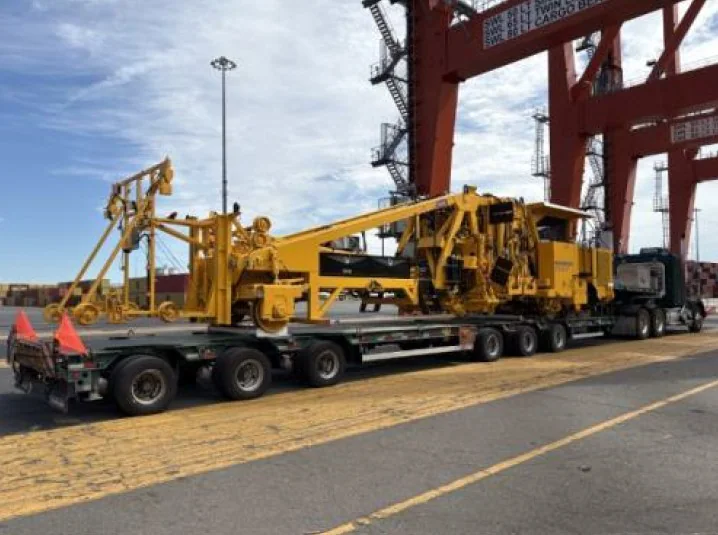
An international railway equipment shipment brought together two stages in the United States: lifting and road transport in Michigan, followed by ocean loading in New York. Python Logistics connected those stages for a shipment with Itajaí, Brazil, as its destination.
An ocean shipment begins on the ground
Before this equipment could be loaded aboard a ship, it had to leave the railway setting and become a road shipment. The transition required the equipment, crane, trailer and people on site to move through a coordinated sequence. This case illustrates a practical point about project cargo: the maritime leg depends on work completed long before the vessel is in view.
Preparing the lift in Michigan
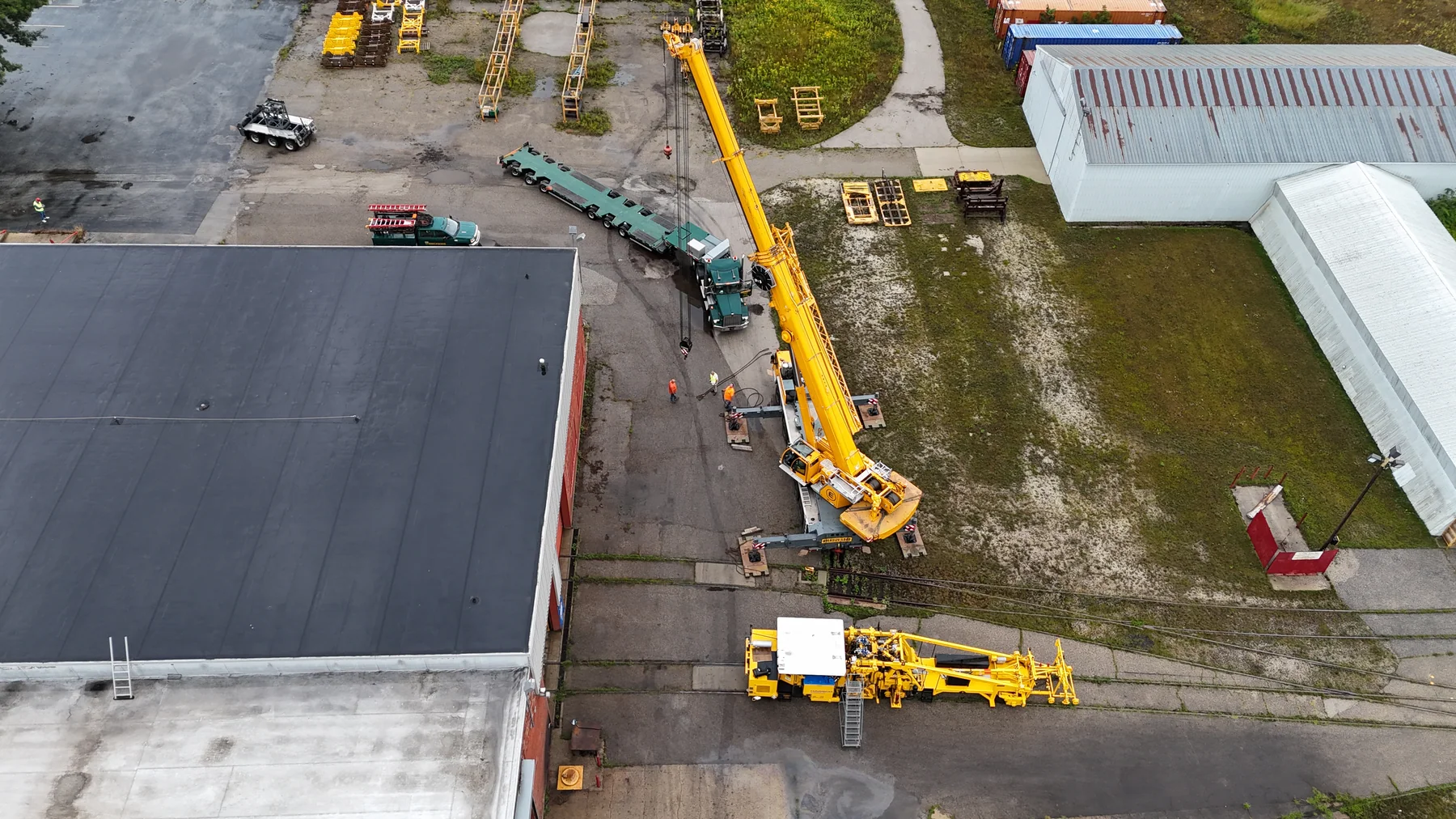
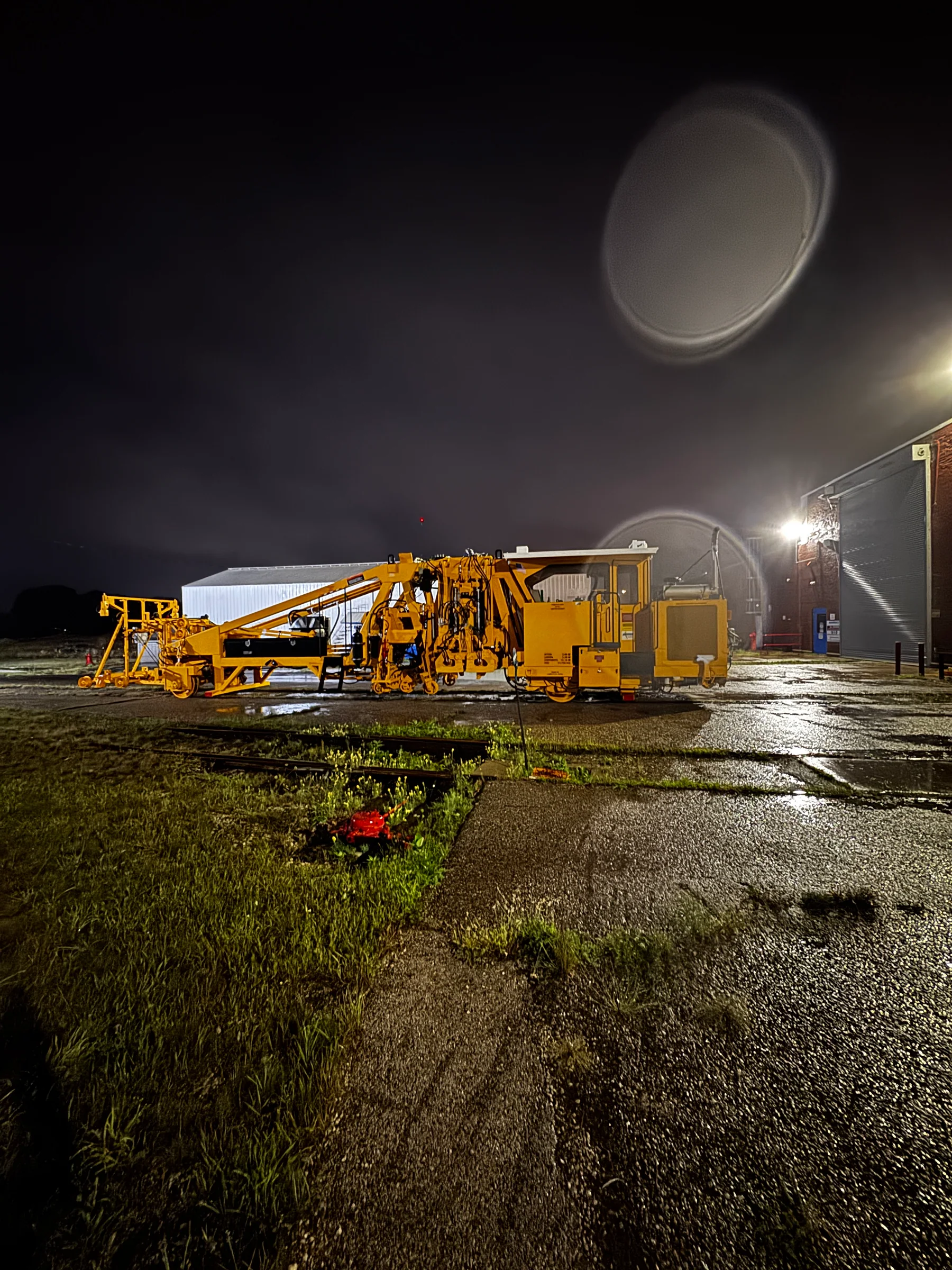
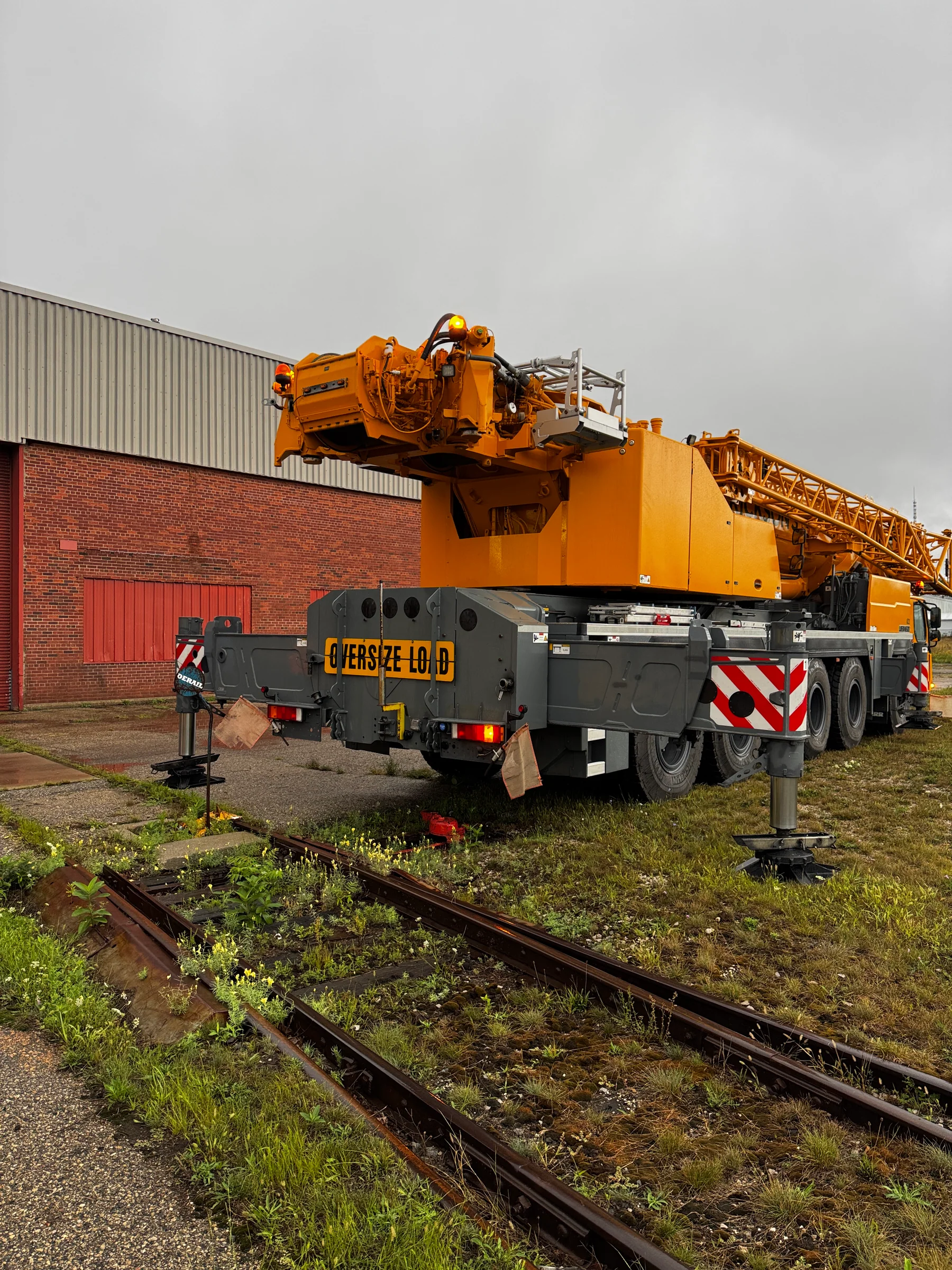
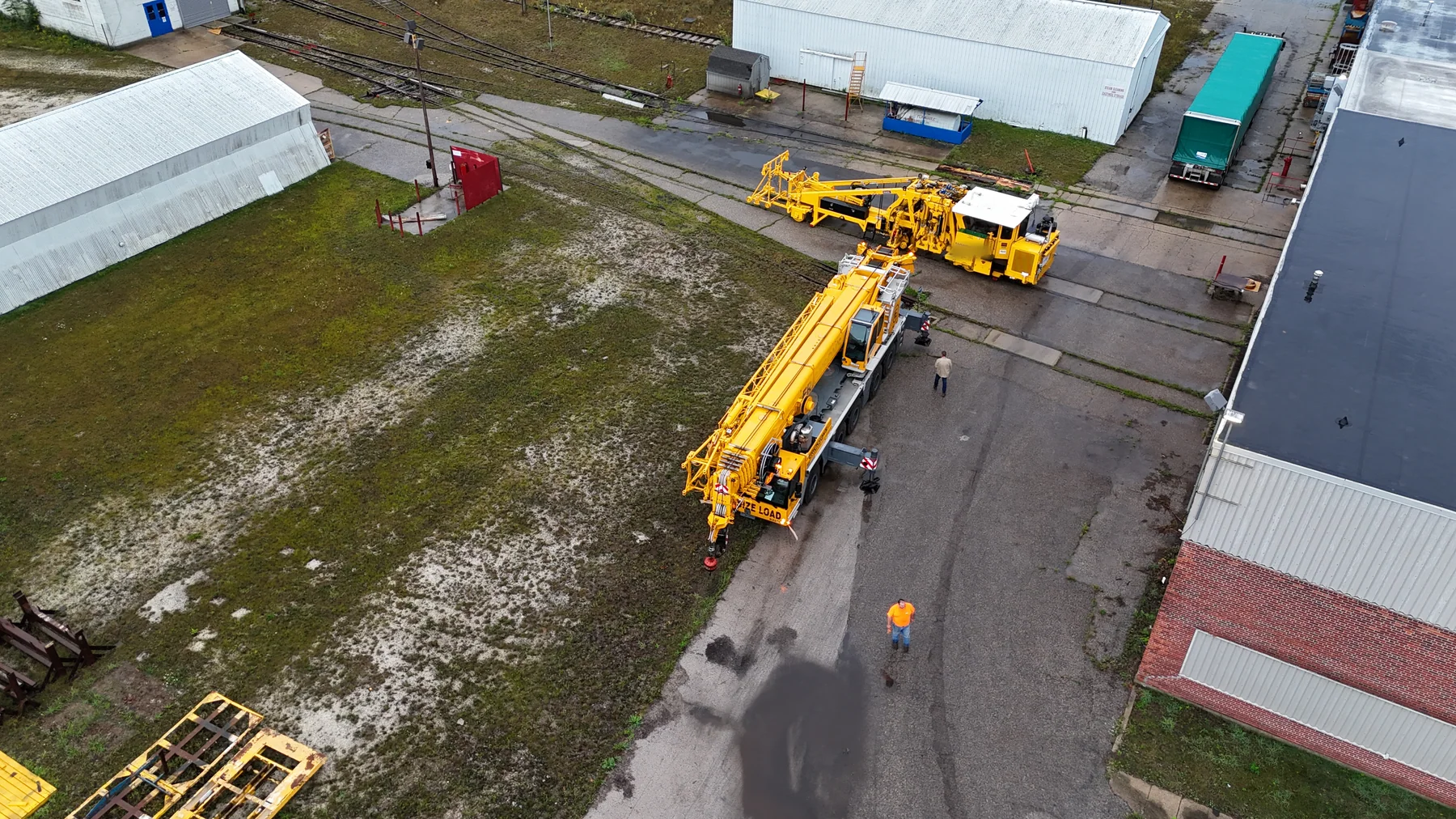
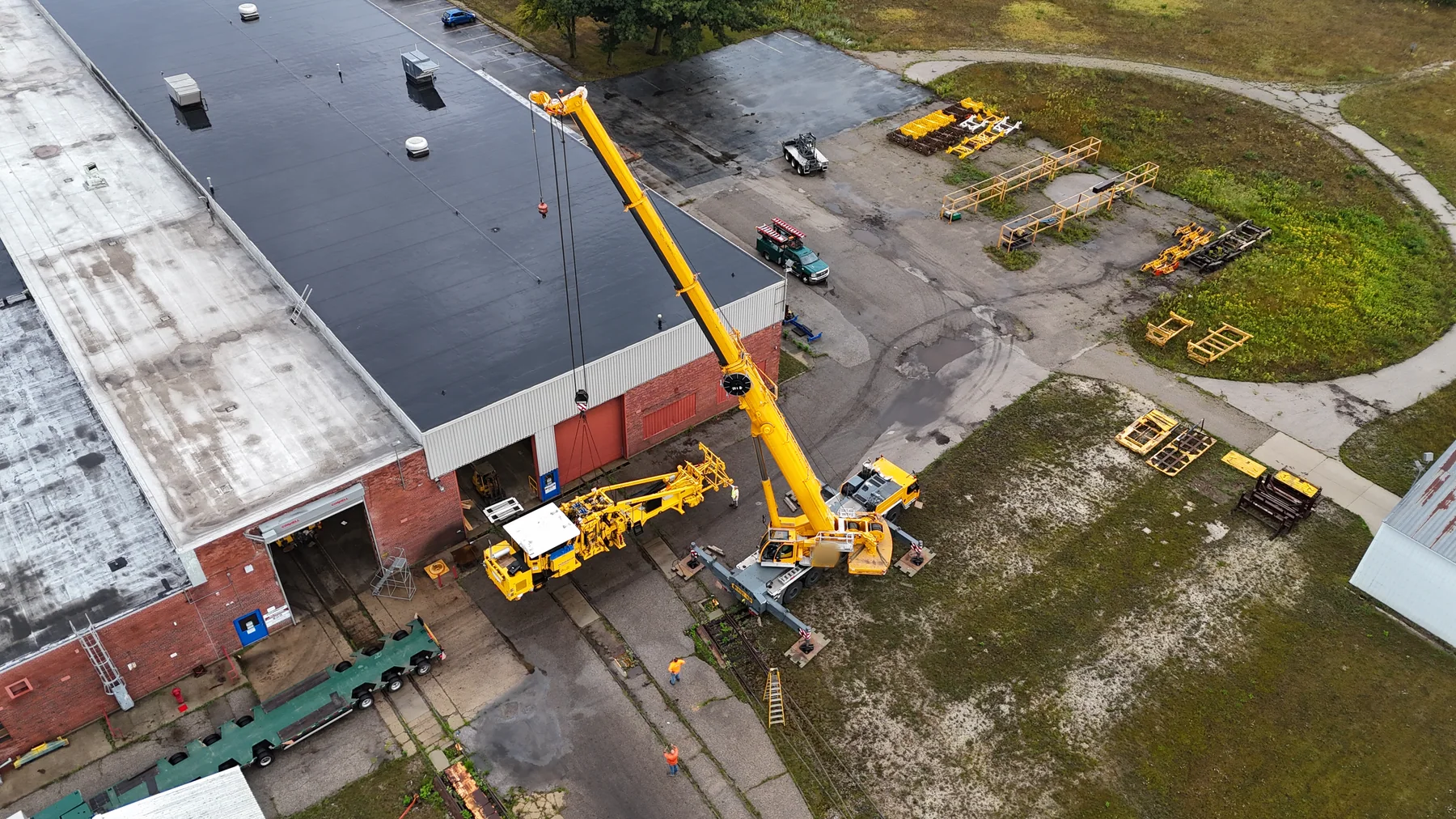
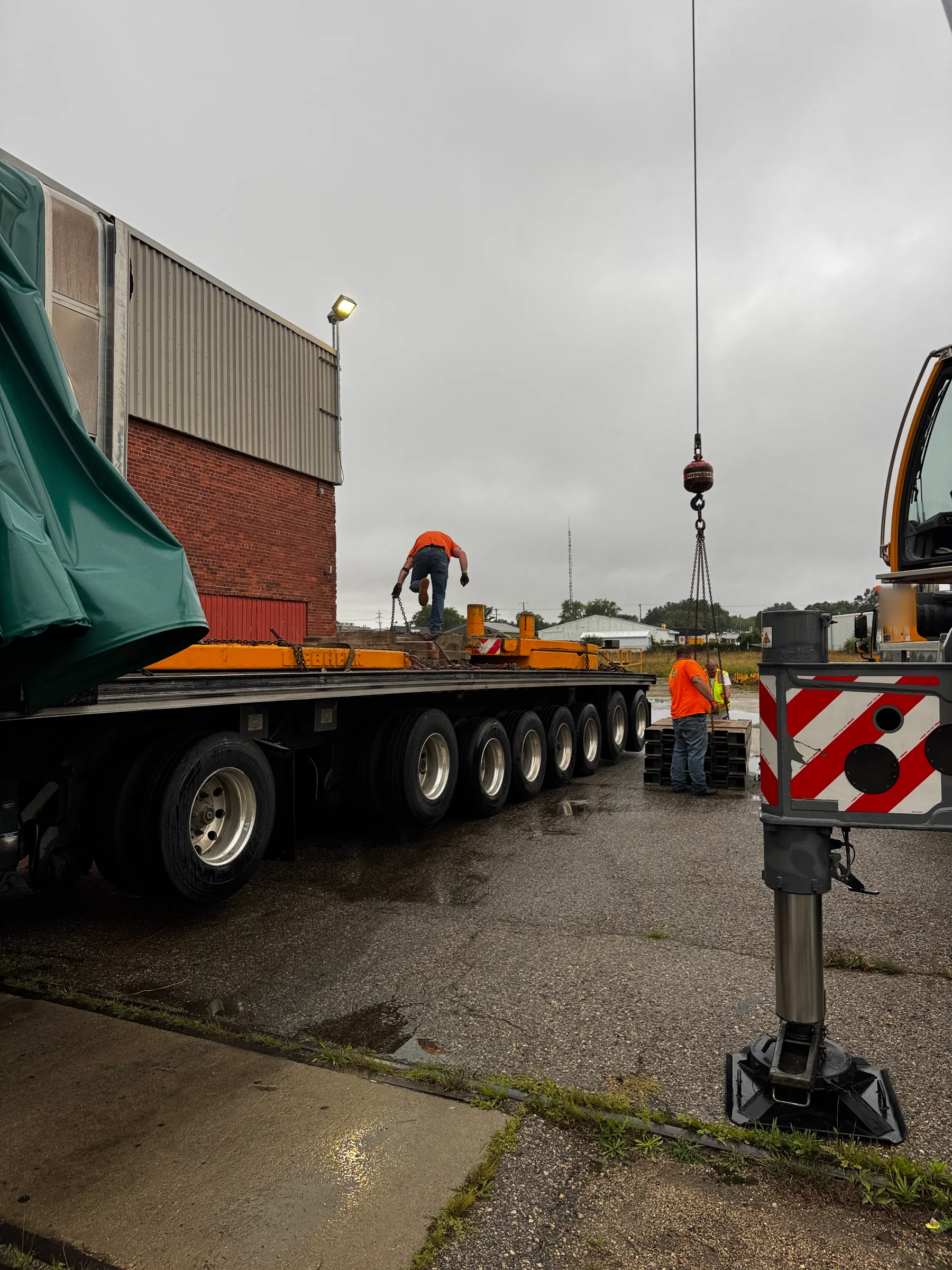
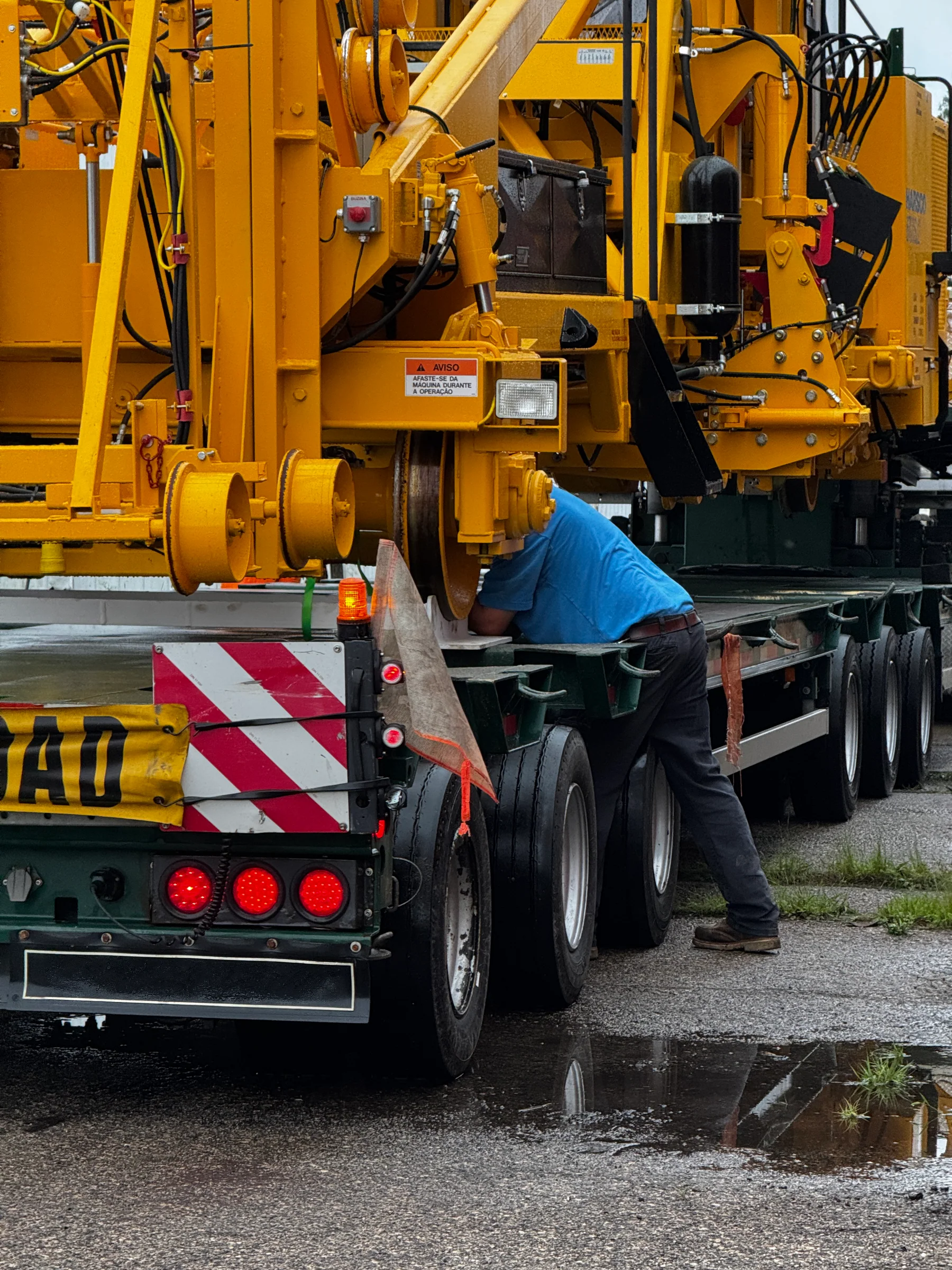
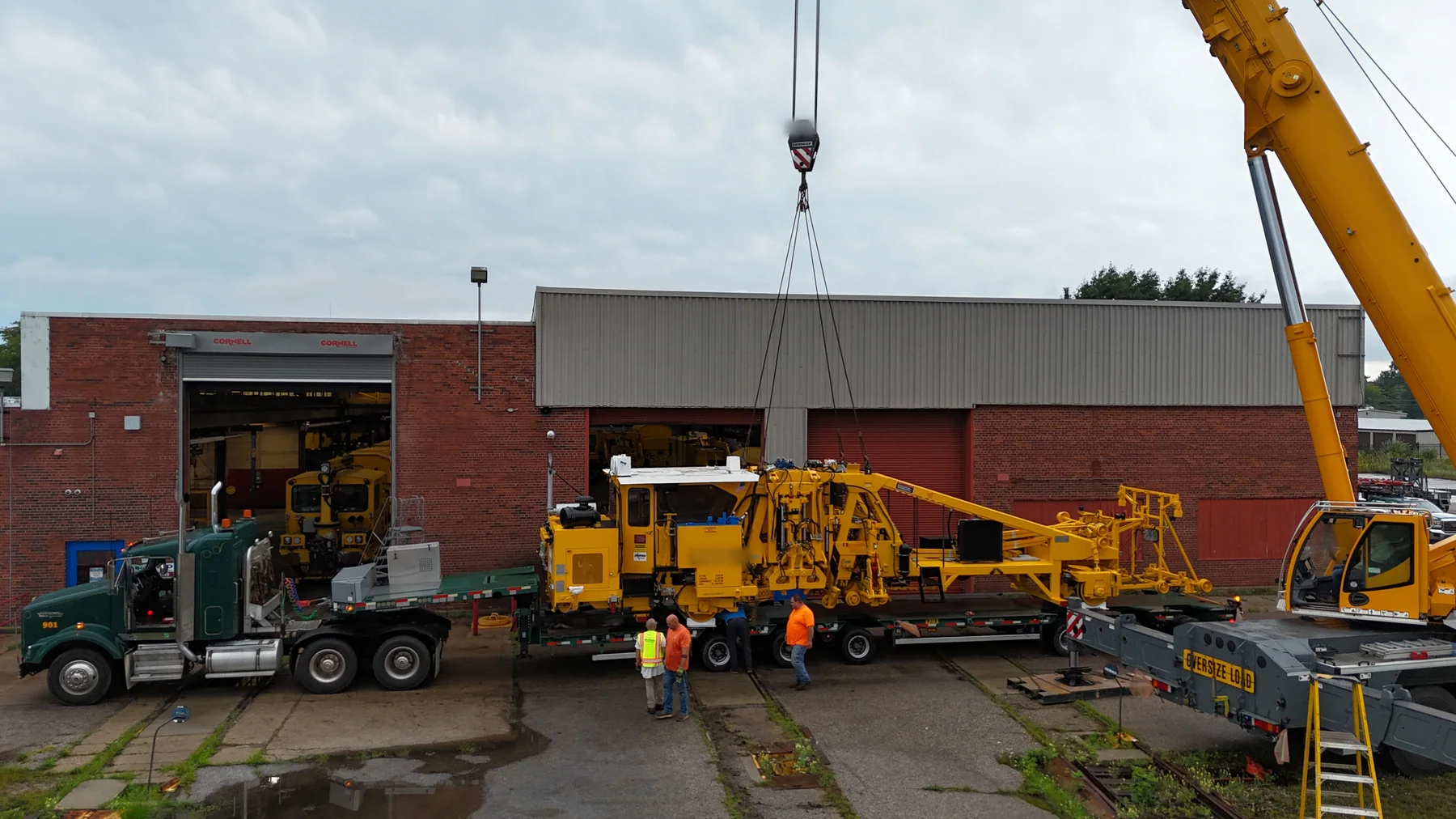
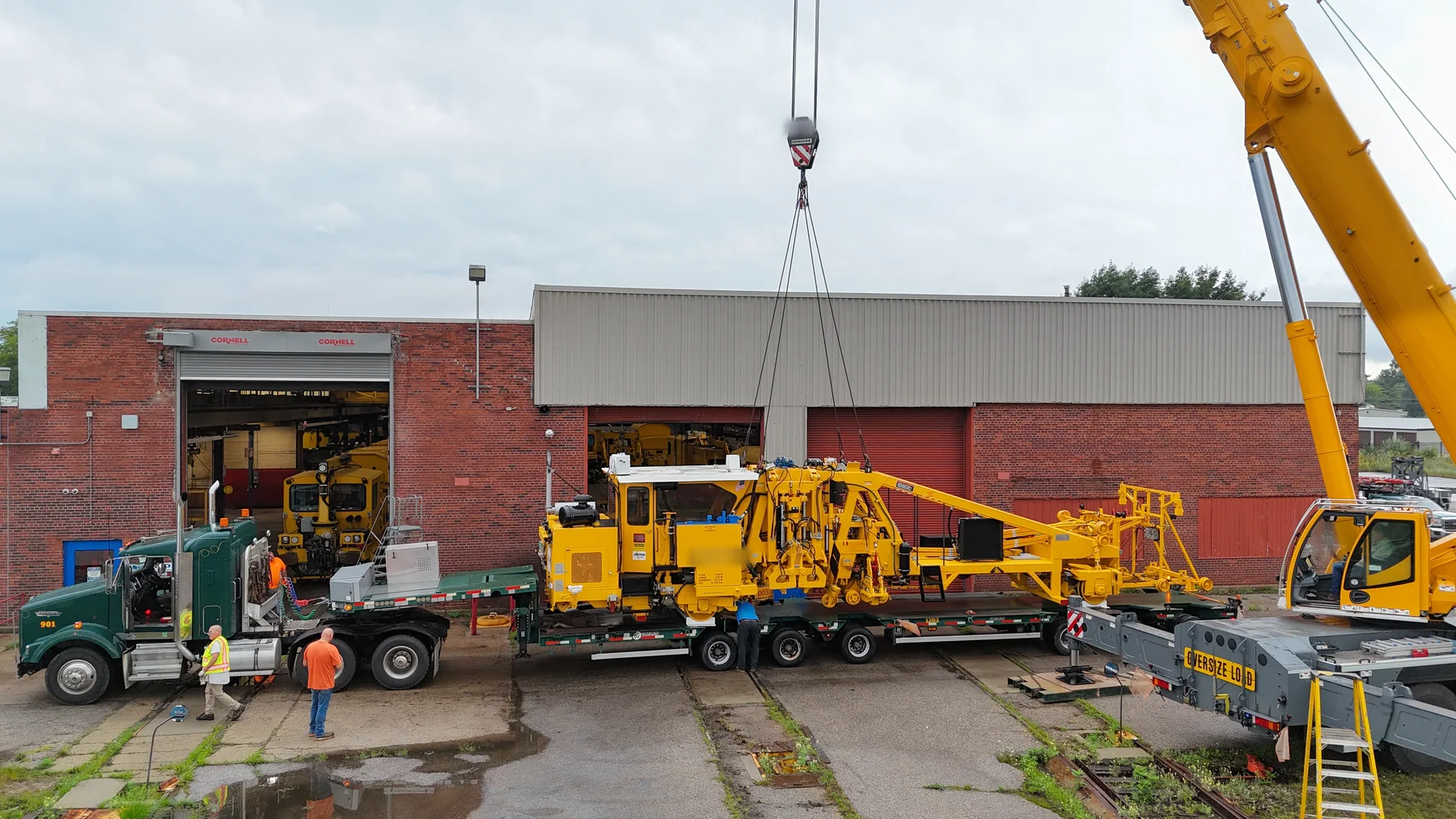
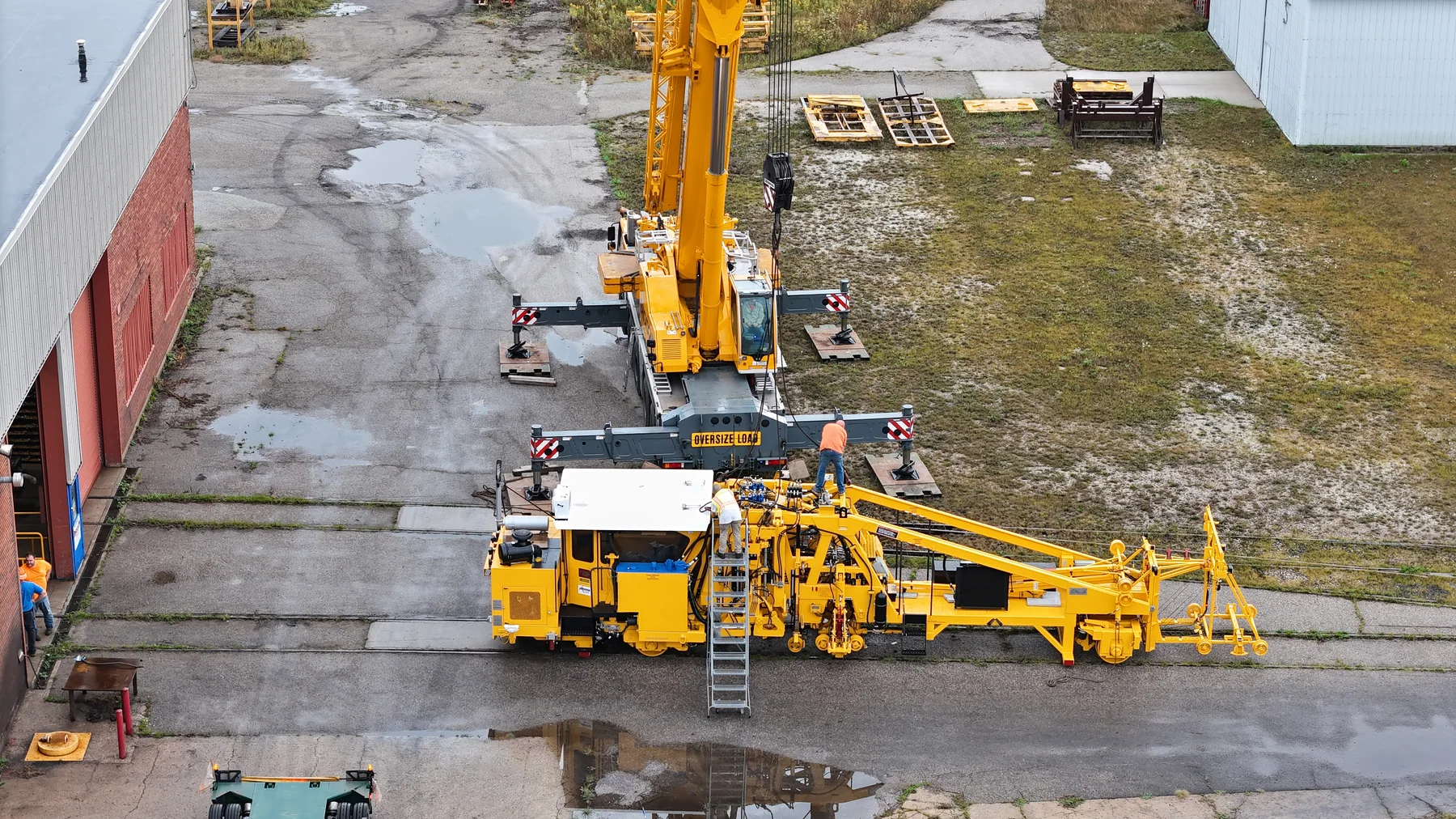
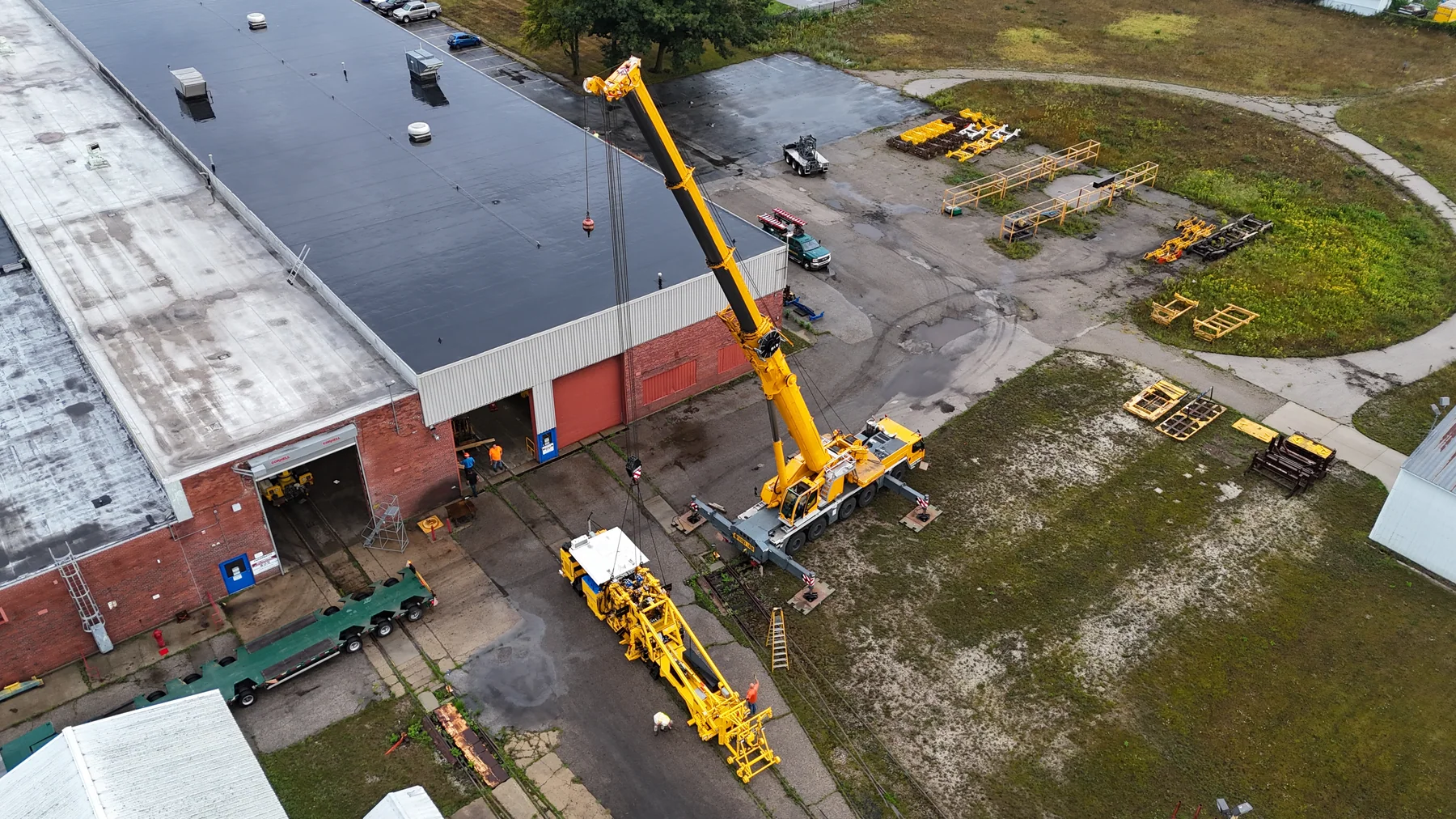
The photographs show the equipment at the Michigan site, a mobile crane positioned for the lift and team members attending the movement. A road trailer was brought into place to receive the load. These resources shared one purpose: move a large piece of railway equipment from its original position onto a platform suitable for the next leg.
Preparation matters because a lift is more than the moment when a load rises. The crane has to be positioned, the equipment has to be made ready for transfer, and people around the load need a coordinated sequence of actions. In the images, the crane, trailer and ground team appear together in the working area. Their presence makes the first handoff visible: from the railway environment to road transport.
From railway equipment to road cargo
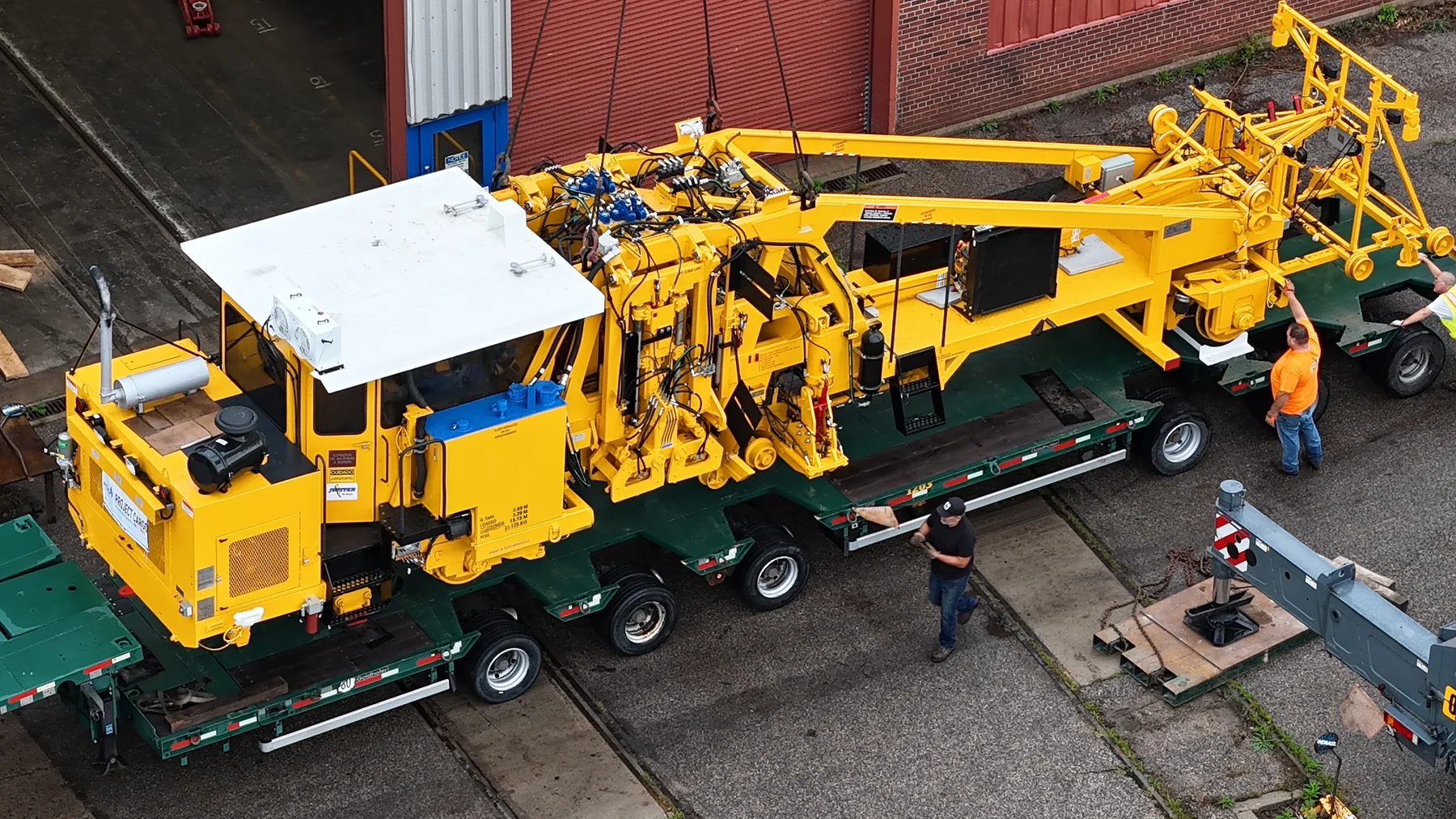
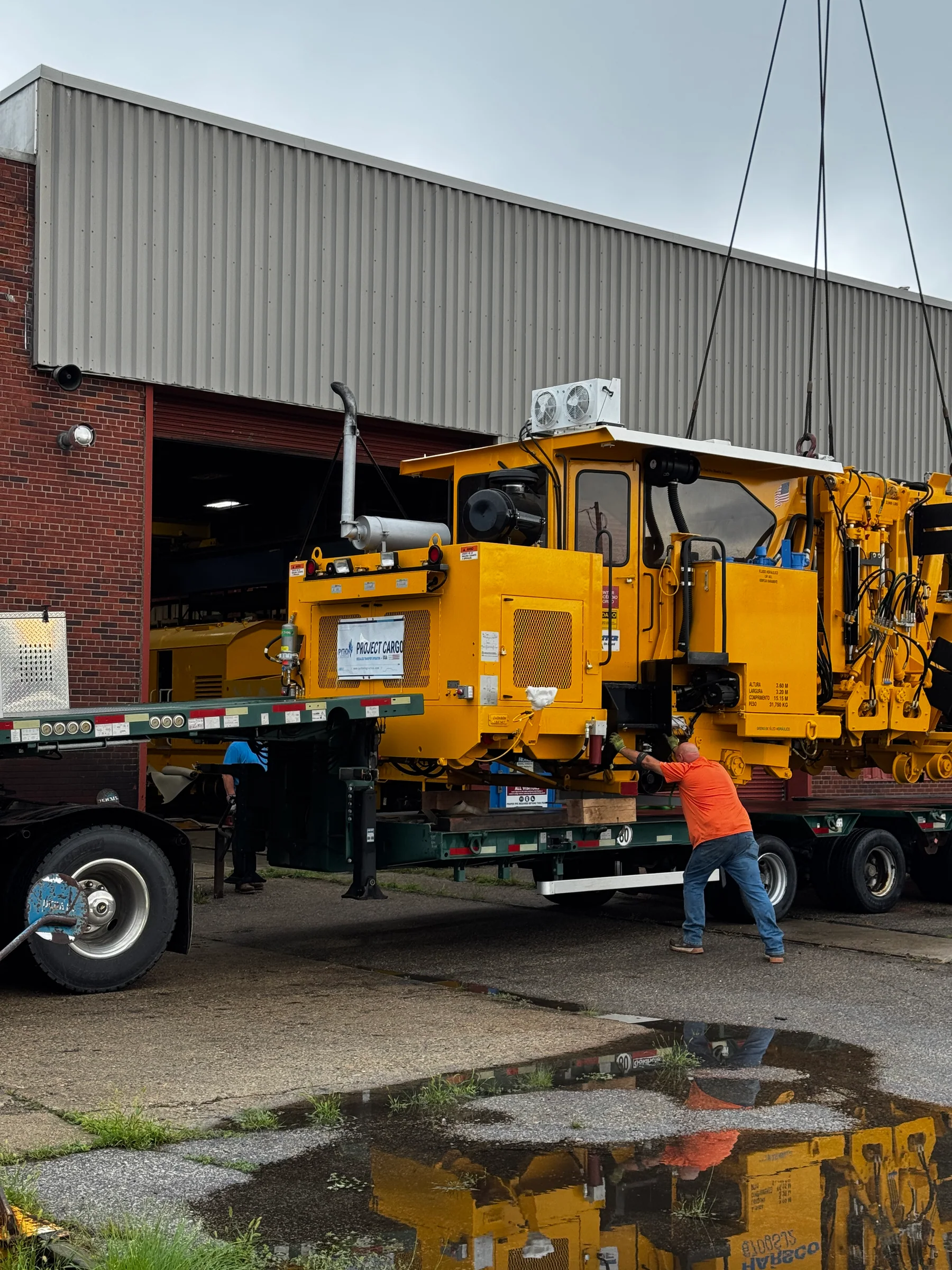
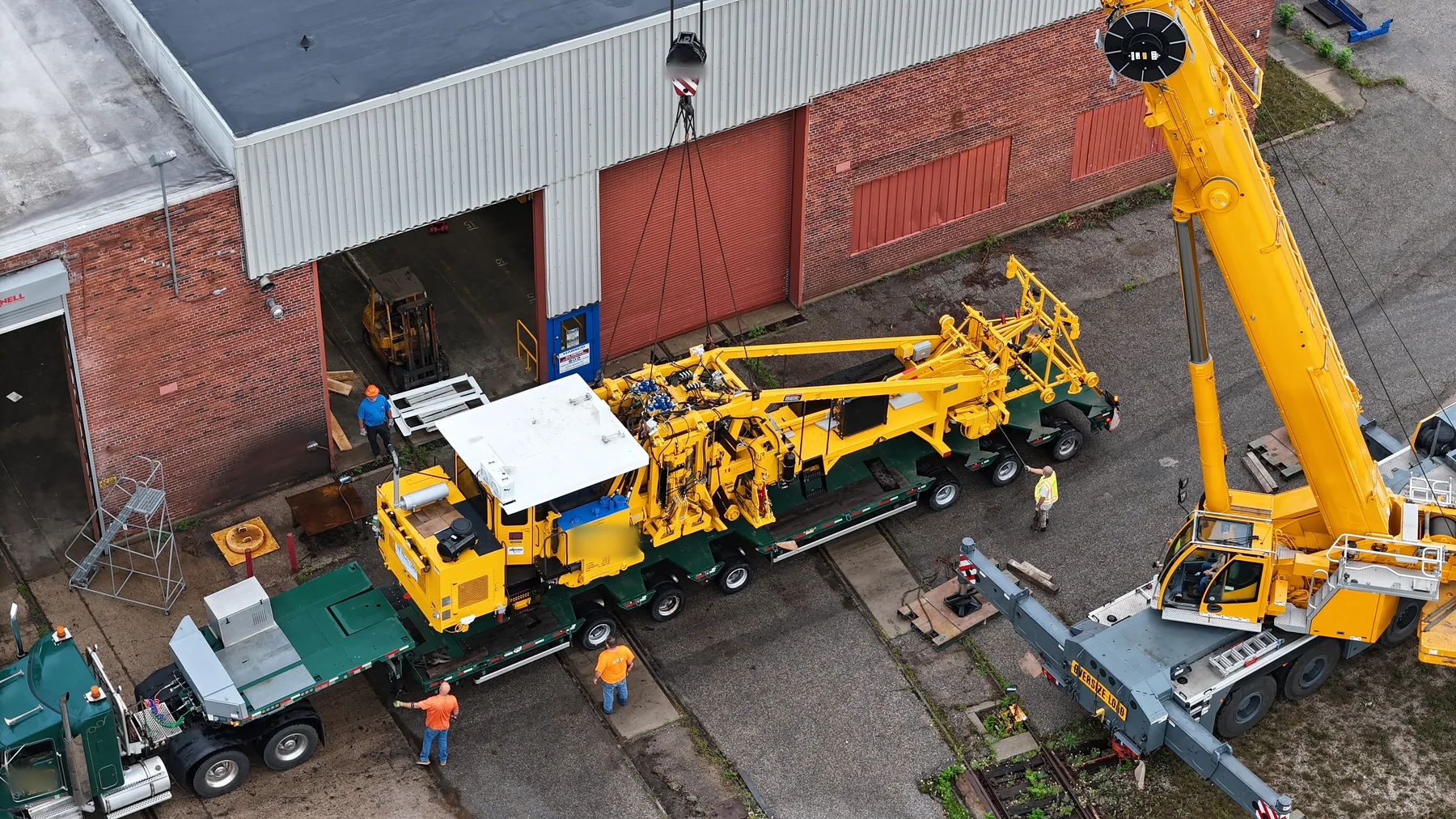
With the lift under way, the equipment was raised and positioned on the trailer. This was the turning point of the inland operation. The machine had to move from its rail setting to a road platform before it could continue toward the port.
The images capture both the scale of the equipment and the need for careful positioning. Some show the crane and trailer working close together; others show the equipment resting on the trailer after the transfer. Together, they tell a clearer story than a single loading photograph: preparation, movement and placement formed one continuous stage.
The road link from Michigan to New York
After the transfer, the operation continued by road from Michigan to the New York port area. This inland leg connected the first activities to the international departure point. The handoff was central: equipment loaded for road movement had to reach the setting where it could be placed aboard a vessel.
The road leg provided the physical connection between two working environments. In Michigan, the focus was lifting and placing the machine on the platform. At the port, attention shifted to vessel loading and securement. Together, these stages formed a continuous route from land handling toward maritime transport.
Ocean loading with Itajaí as the destination
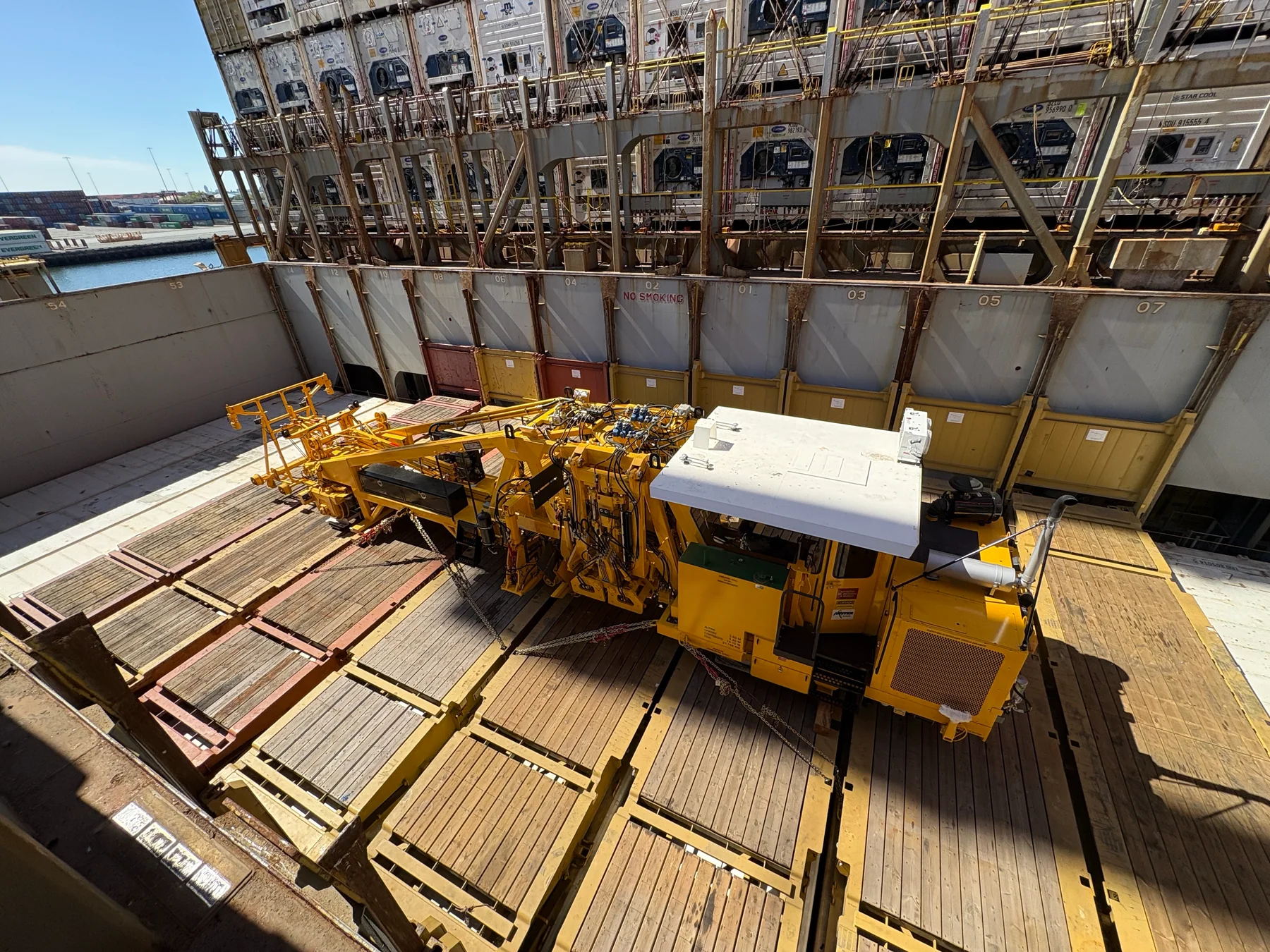
In New York, the next handoff took place at the vessel. The equipment was loaded on board, positioned in the cargo area and secured with lashings for the sea voyage. The photographs show the machinery aboard the ship and the securing arrangements around it.
This stage had a different setting and objective from the Michigan lift. The earlier transfer made the road movement possible; the port work placed the equipment for maritime transport. Itajaí is the destination identified for the shipment. This case follows the operation through loading and securing for that maritime leg.
One operation, several connected handoffs
The case brings five linked activities into focus: preparation, lifting, placement on the trailer, road transport and ocean loading. Each created the conditions for the next. Without the trailer transfer, the inland movement could not proceed. Without that link, the port stage could not begin.
Python Logistics connected the road and maritime stages of this international project cargo move. For companies shipping industrial machinery or specialized equipment, that continuity is as important as any individual lift or voyage. It helps everyone involved see the same operation, from the first movement on land through the last documented step at the vessel.
If your business is planning international transport of machinery or project cargo, speak with Python Logistics about the route and handoffs your shipment will require.
Python Logistics. Simplifying the logistics of large projects.
Operation photo album