
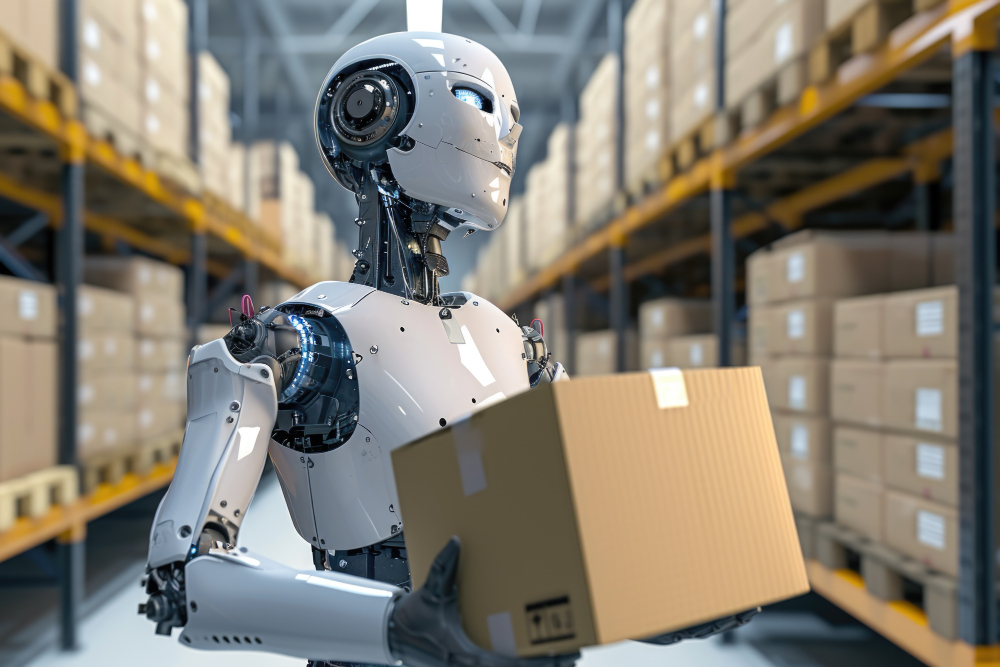
The AI Revolution in Supply Chain Resilience
In an era of increasing global uncertainty, manufacturing supply chains face unprecedented risks. A recent study published in Nature highlights how Artificial Intelligence (AI) is fundamentally reshaping how enterprises build resilience, shifting from passive defense to proactive prediction.
Two Mechanisms of AI-Driven Resilience
The research reveals that AI's impact extends far beyond mere technological upgrades. It acts as a powerful catalyst for profound organizational change through two primary mechanisms:
Organizational Flattening
AI automates repetitive tasks and enhances cross-departmental collaboration, shifting traditional rigid hierarchies to more agile, decentralized models. By reducing excessive hierarchical layers, companies dramatically speed up decision-making when responding to market shocks.
Smart Internal Controls
Through real-time data monitoring and intelligent early warnings, AI transforms internal controls from traditional passive defense to proactive prediction. It optimizes production processes and significantly enhances risk identification capabilities before disruptions occur.
The Three Pillars of AI Integration
According to the study, enterprises that successfully build resilience do not just talk about AI; they implement it across three distinct levels:
1. Strategic Vision
Incorporating AI into the core development strategy, ensuring leadership alignment and digital awareness across the organization.
2. Technology R&D
Investing in core algorithms, data modeling, and robust digital infrastructure to build genuine technological capabilities.
3. Practical Application
Deploying AI in real-world scenarios: supply chain management, production optimization, and predictive risk control.
Targeted Collaboration: The Key to Network Adaptability
The research emphasizes that resilience relies on differentiated collaborative development. Different segments of the supply chain must leverage AI differently: downstream enterprises (closer to the market) should focus on AI for demand forecasting and market responsiveness, while upstream enterprises must emphasize resource integration and supply assurance.
Furthermore, the data shows that capital-intensive, technology-intensive, and growth-stage/mature enterprises benefit the most, as they possess the necessary digital foundation to fully integrate AI.
"Artificial intelligence is not just a tool; it is a force capable of endowing organizations with stronger adaptability and competitiveness. The effective combination of AI strategy and practical application significantly improves supply chain resilience."
For modern logistics providers like Python Logistics, integrating these AI-driven insights is essential. By understanding the mechanisms of organizational change and proactive risk control, we continue to optimize our global freight forwarding strategies. We are committed to helping our clients build supply chains that are not only efficient but fundamentally resilient and prepared for the future.