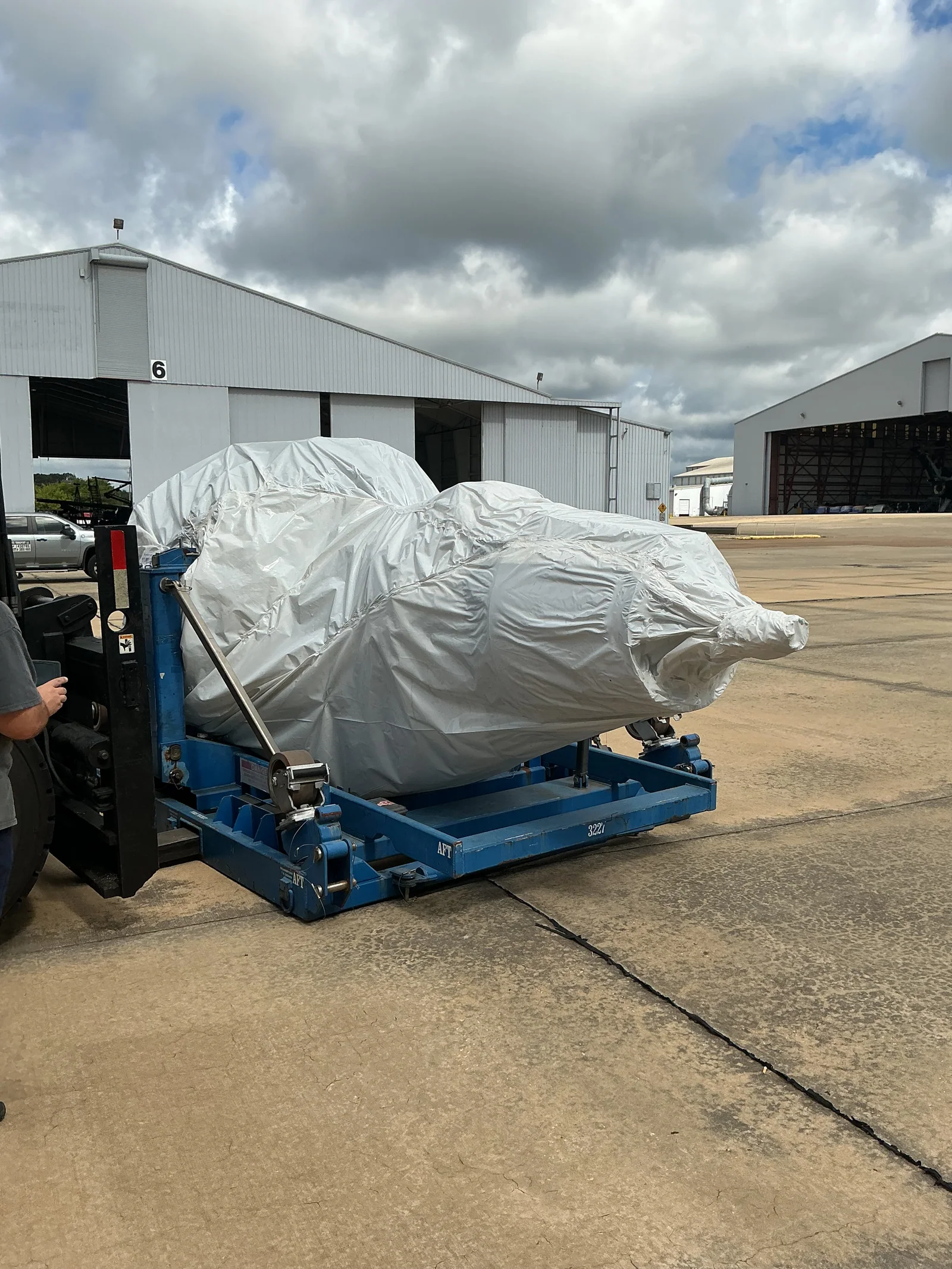
In aerospace logistics, the challenge goes beyond moving a high-value part. Its handling requirements must be maintained through a chain that may involve a warehouse, road vehicle, cargo terminal and aircraft. Python Logistics brings its project cargo experience and Miami operation together to plan each transfer around the equipment and the client's requirements.
Expertise begins with understanding the cargo
Engines, propellers, structural components and complete aircraft differ in shape, support points and handling limits. Python therefore begins with the cargo's technical information: dimensions, weight, center of gravity when available, lifting instructions, packaging and protection requirements. That assessment guides the choice of handling equipment and the route through each facility.
Rather than applying a standard procedure, the team considers how a component will be received, supported, moved and handed to the next party. For non-standard cargo, early alignment among the customer, carrier and operational partners is an essential part of the work.
Preparation and handling with a clear purpose
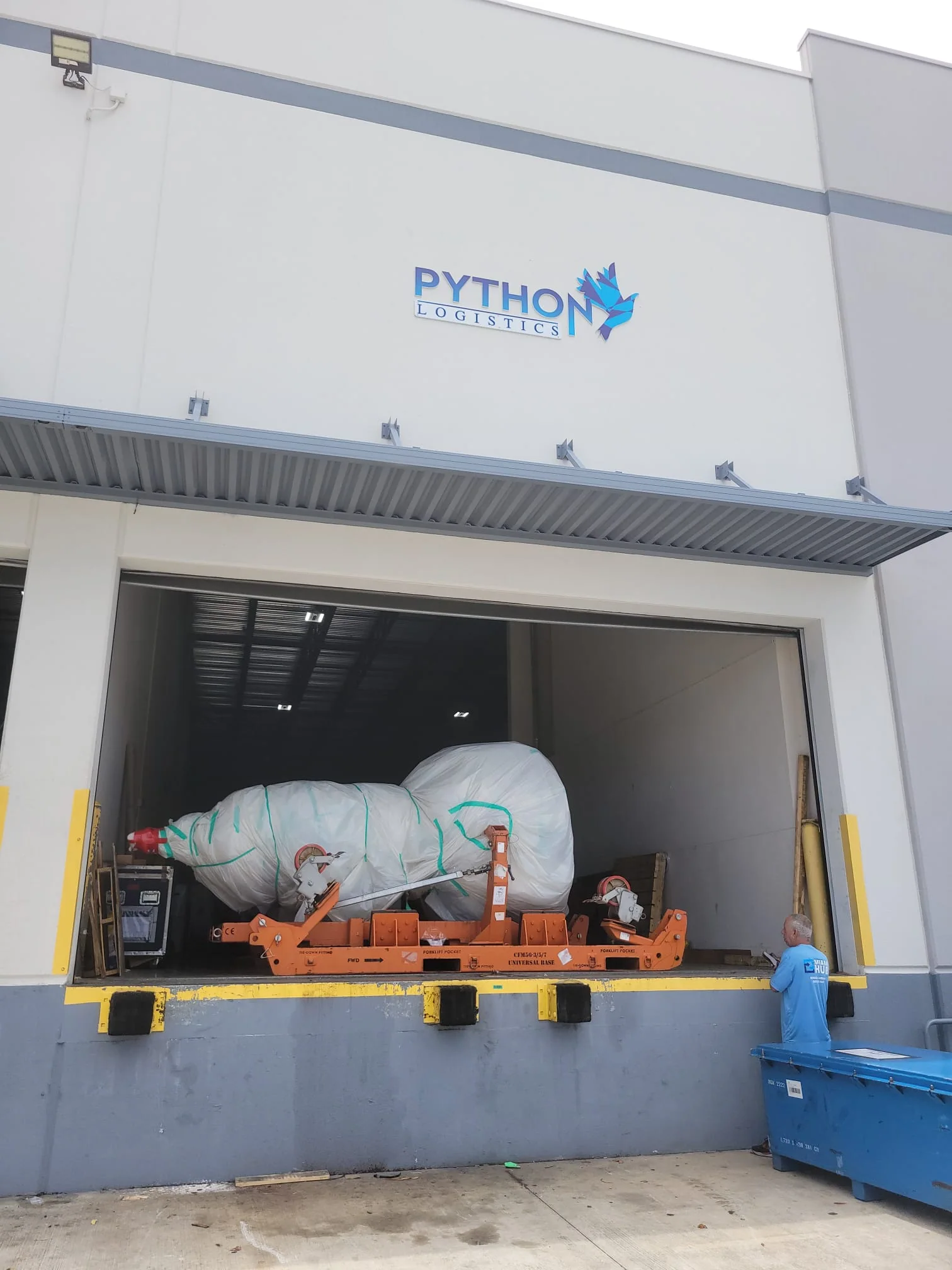
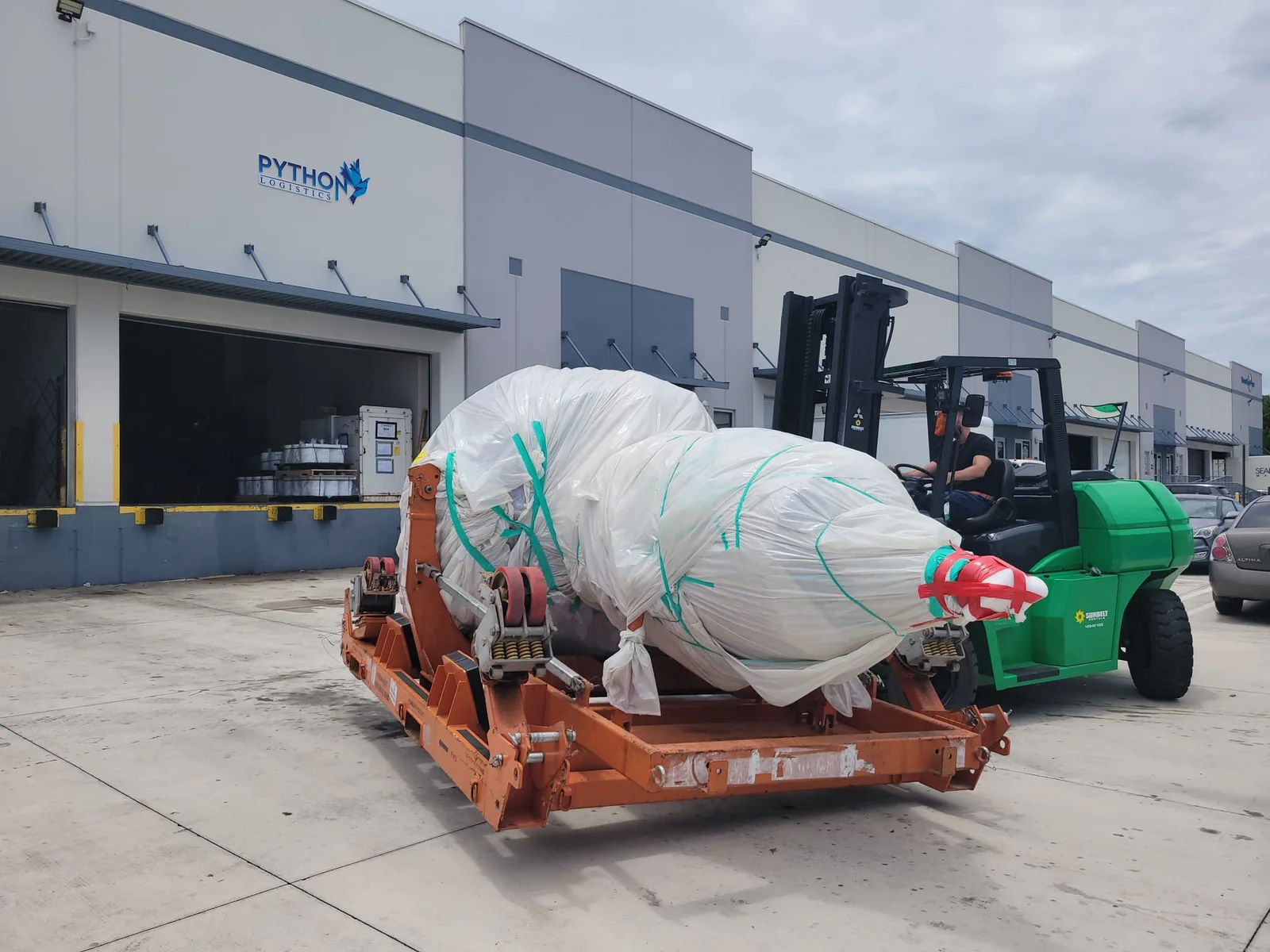
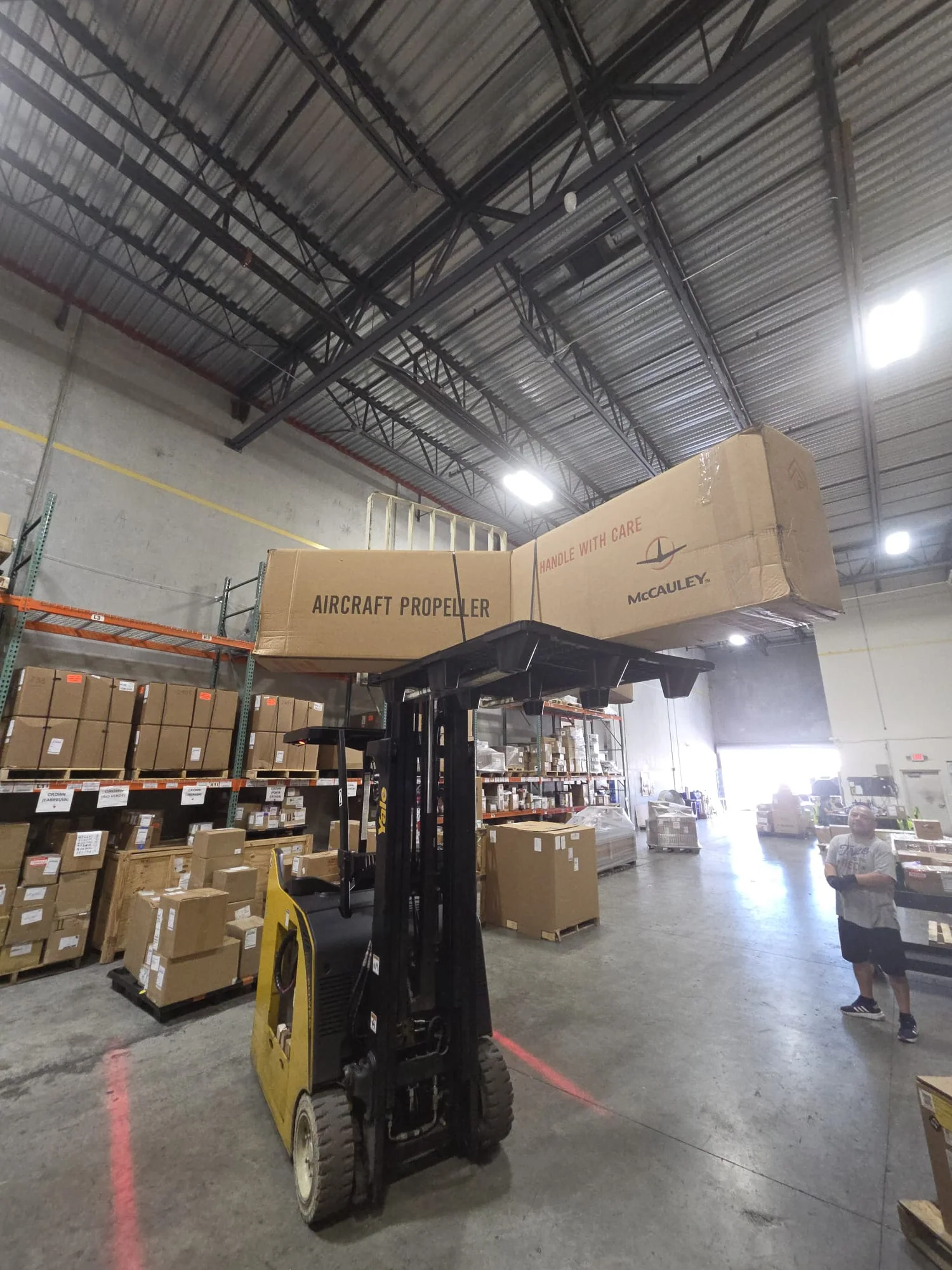
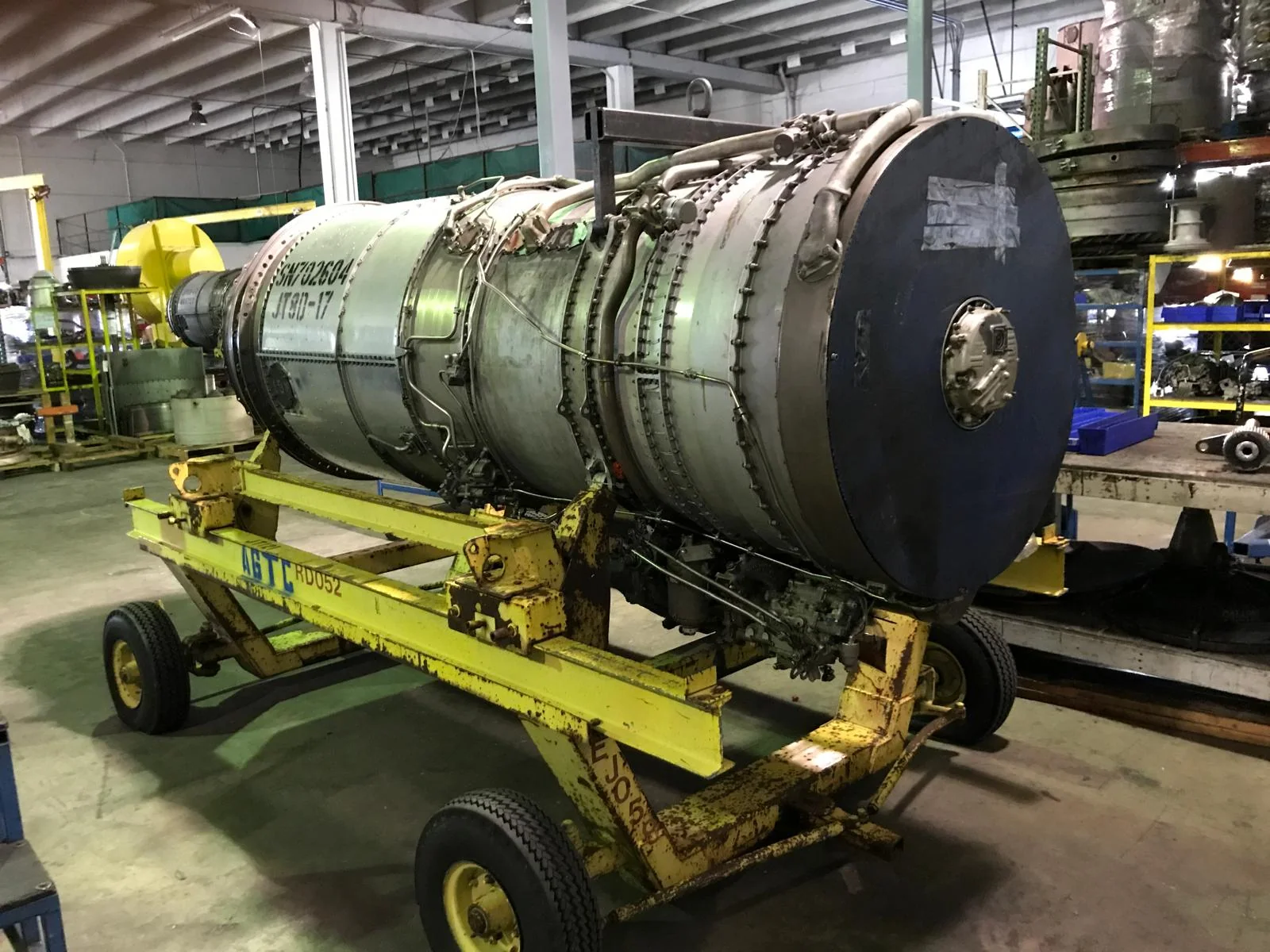
Physical handling works best when packaging, transport base and lifting method are planned together. A support suitable for storage must also be assessed for the transfers ahead. Forklift access, securing points, clearances and loading-dock access all belong in the plan before the cargo moves.
Python's warehousing operation and road transport experience support the coordination of receipt, preparation and dispatch in Miami. The objective is to give each team taking custody of the cargo clear instructions and reduce improvisation at critical handoffs.
A connected chain from the ground to international transport
Aerospace projects often rely on several services working together. Python coordinates pickup, warehousing, road transport and air freight solutions according to the needs of each project. The transport mode and partners are selected with the component's physical characteristics, operating window and applicable documentation in mind.
This joined-up view matters most at transfer points: from trailer to warehouse, from warehouse to another vehicle or onward to a cargo terminal. Each handoff calls for the same attention to the technical instructions established at the outset. That is how the plan becomes a practical guide to execution.
Regulatory compliance and air cargo standards
When a project includes an air leg, coordination must also account for documentation, airline acceptance criteria and terminal handling procedures. The IATA Cargo Handling Manual (ICHM) sets out operating procedures across the air cargo chain, from pickup to delivery. It gives freight forwarders, ground handlers and airlines a common reference.
The equipment's actual condition determines whether it contains materials subject to dangerous goods rules, such as fuel or batteries. Where those rules apply, classification and shipment preparation must follow the ICAO Technical Instructions (Doc 9284) and the IATA Dangerous Goods Regulations (DGR), together with applicable airline and State requirements. For Python, checking these requirements before shipment is part of the operational plan.
A logistics partner for the aerospace sector
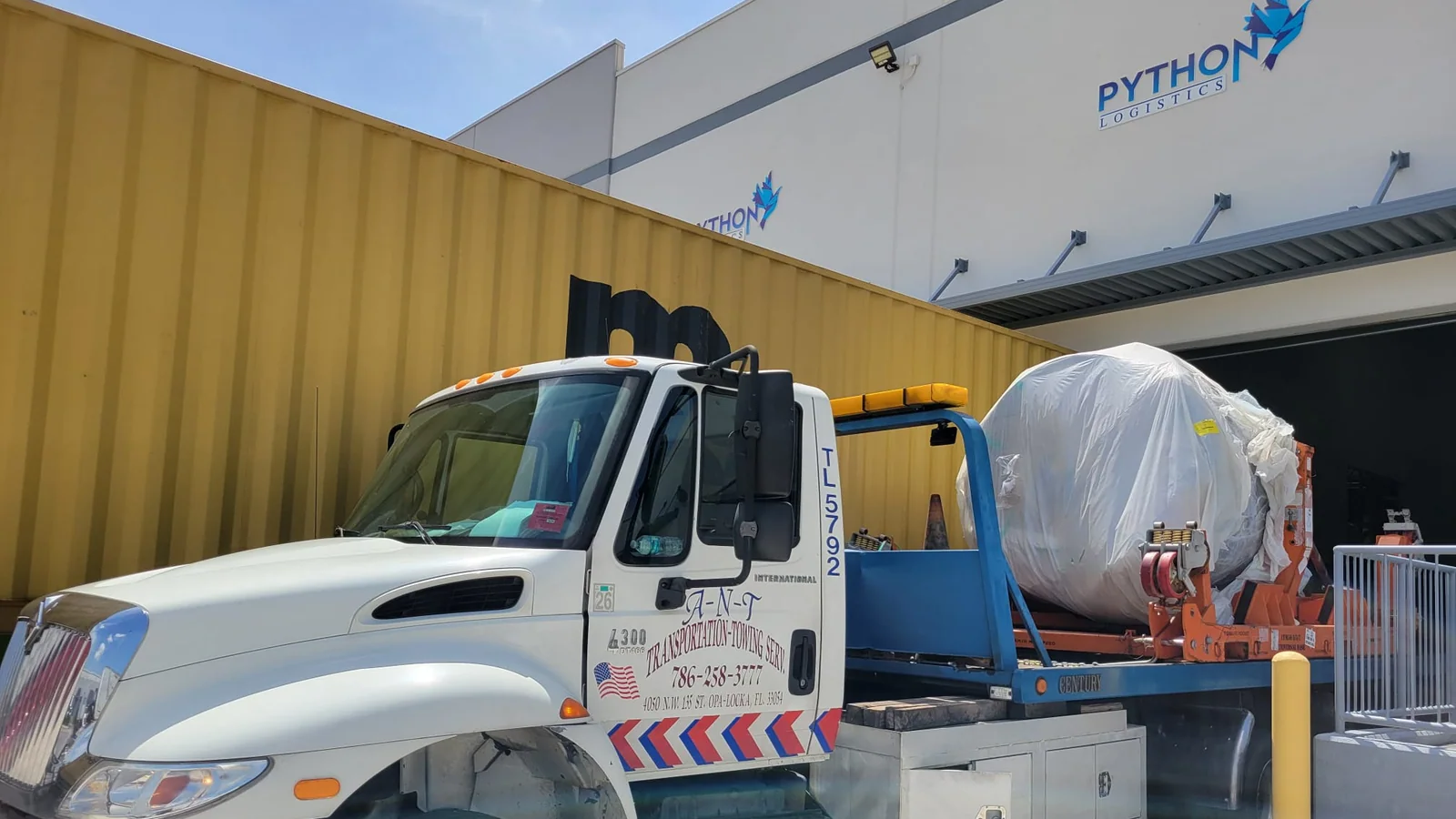
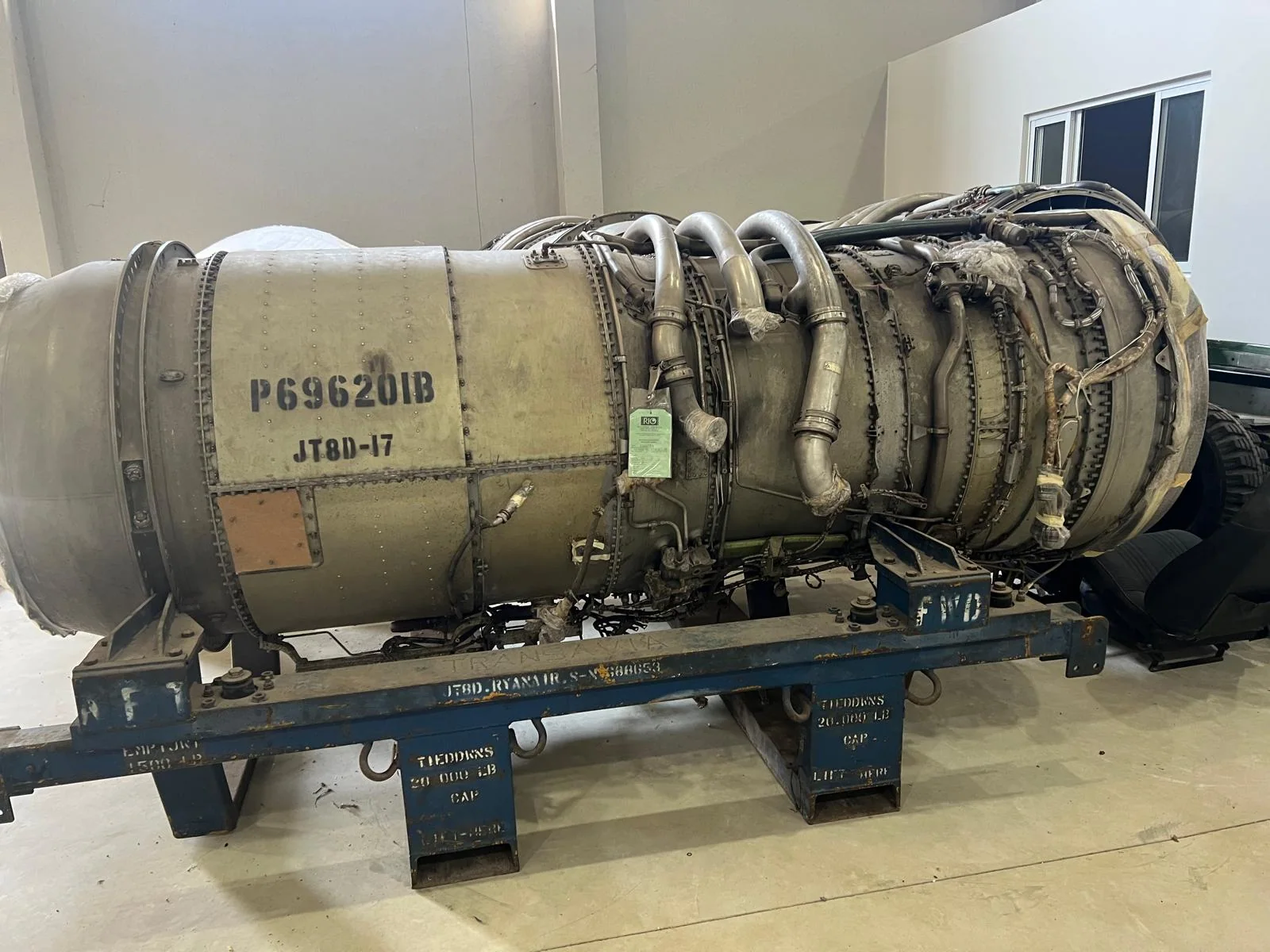
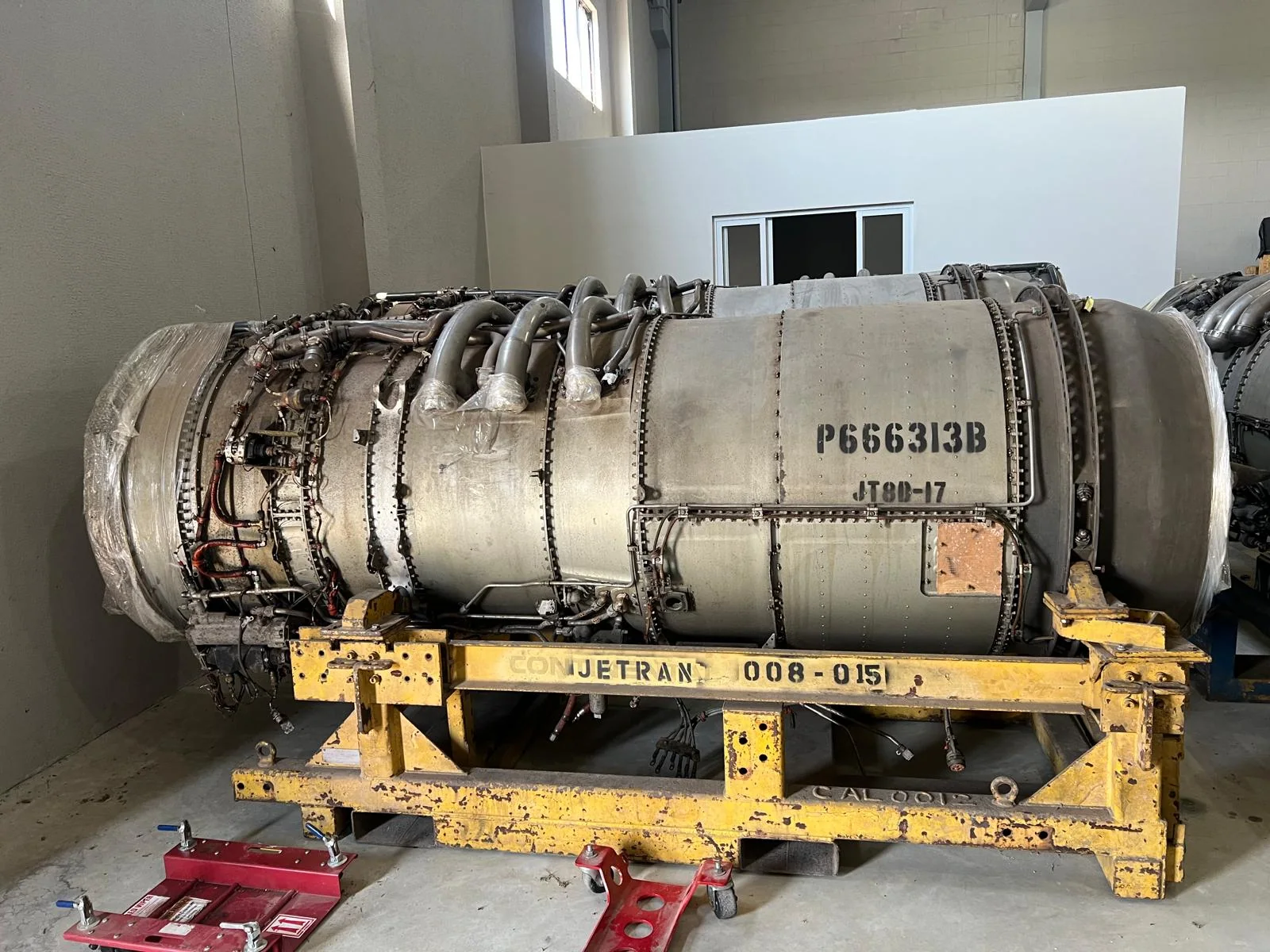
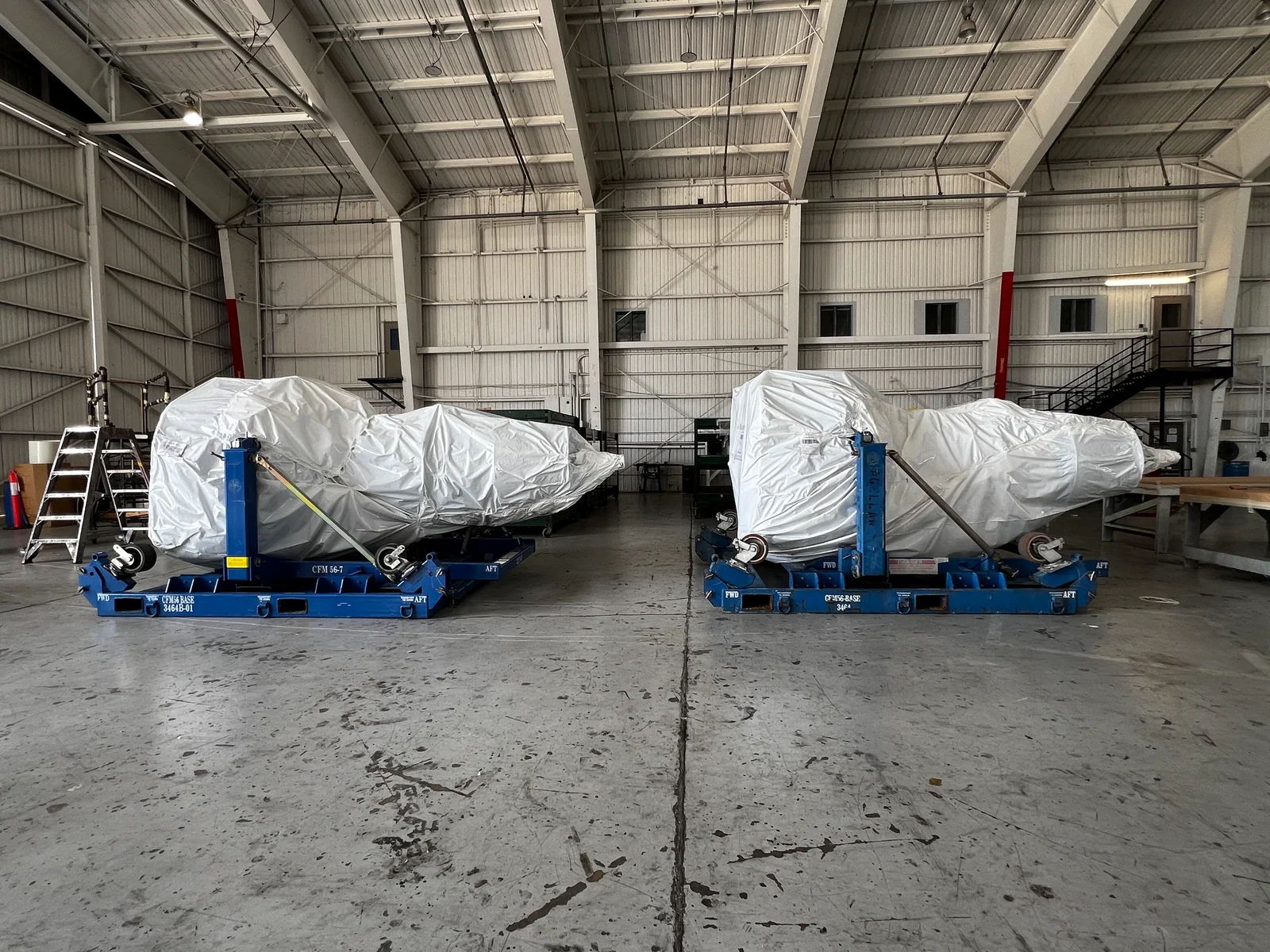
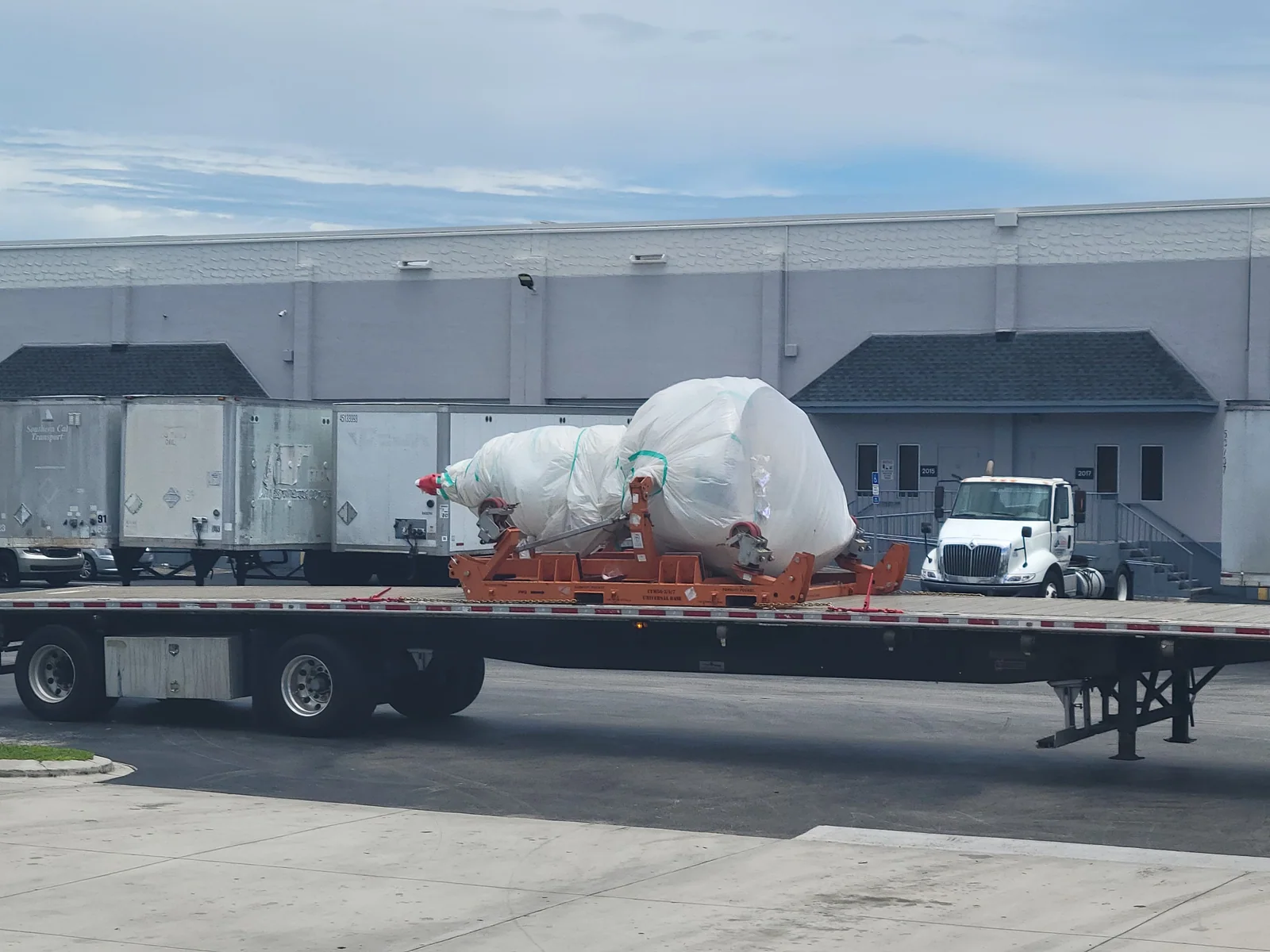
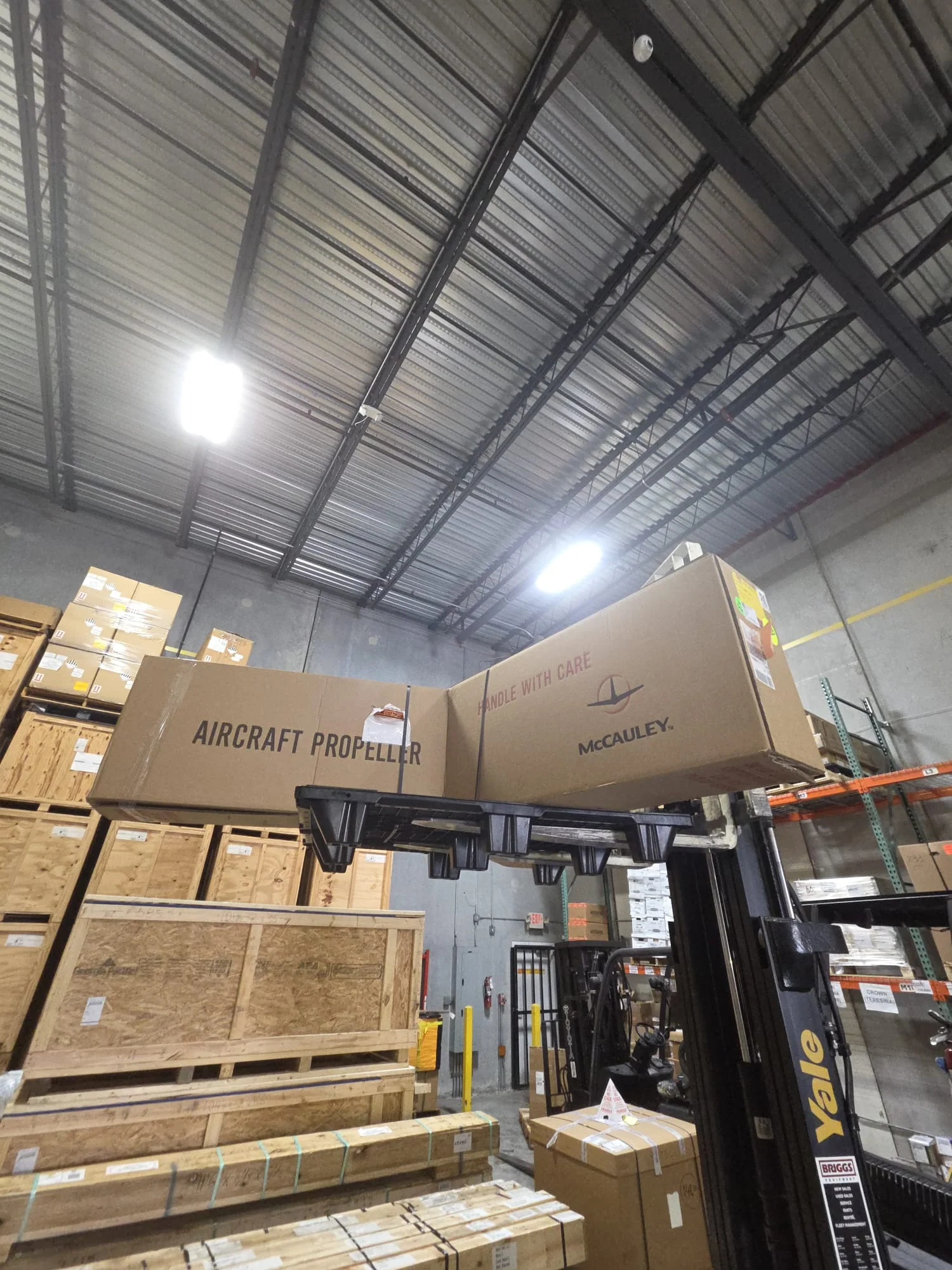
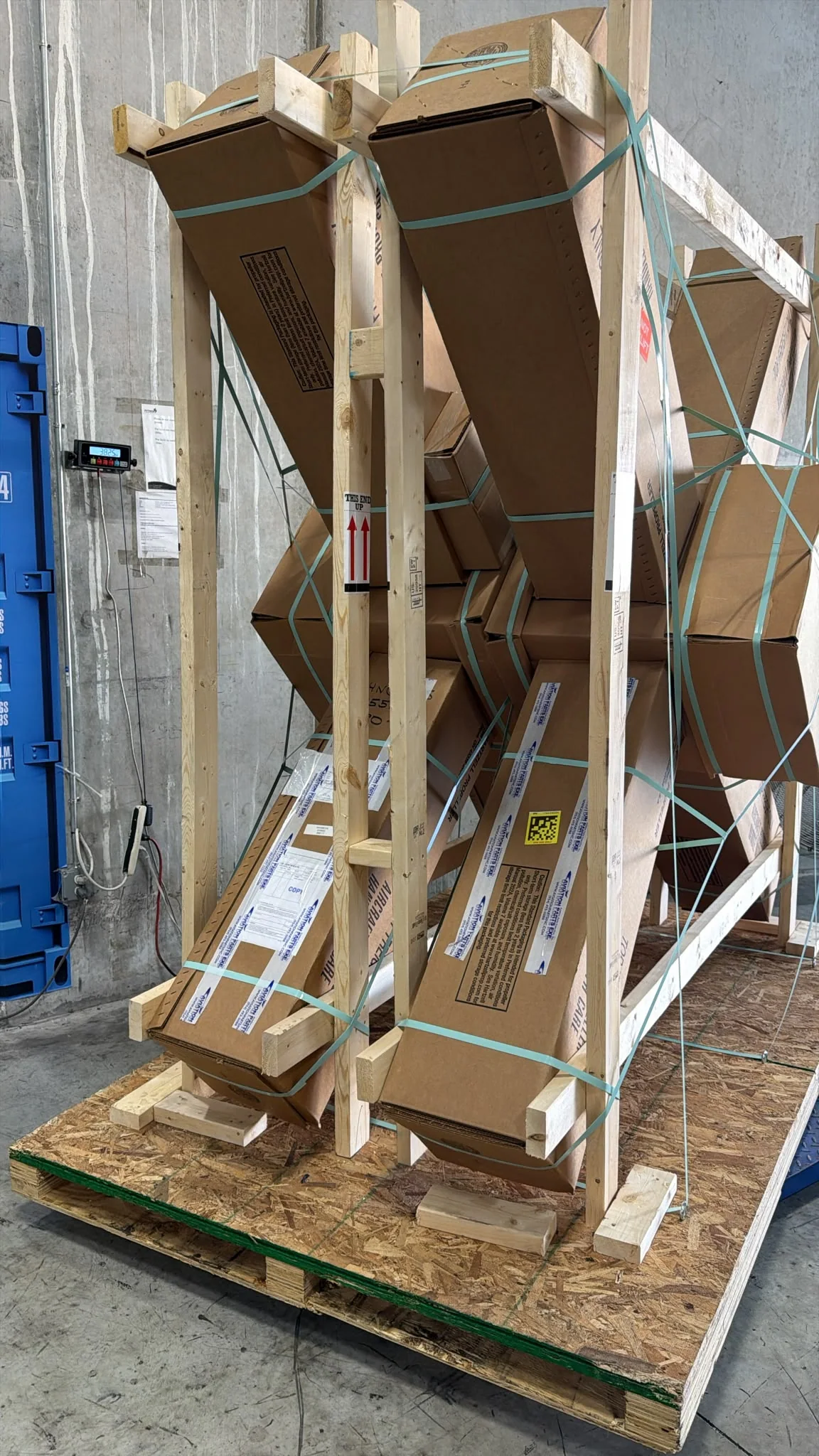
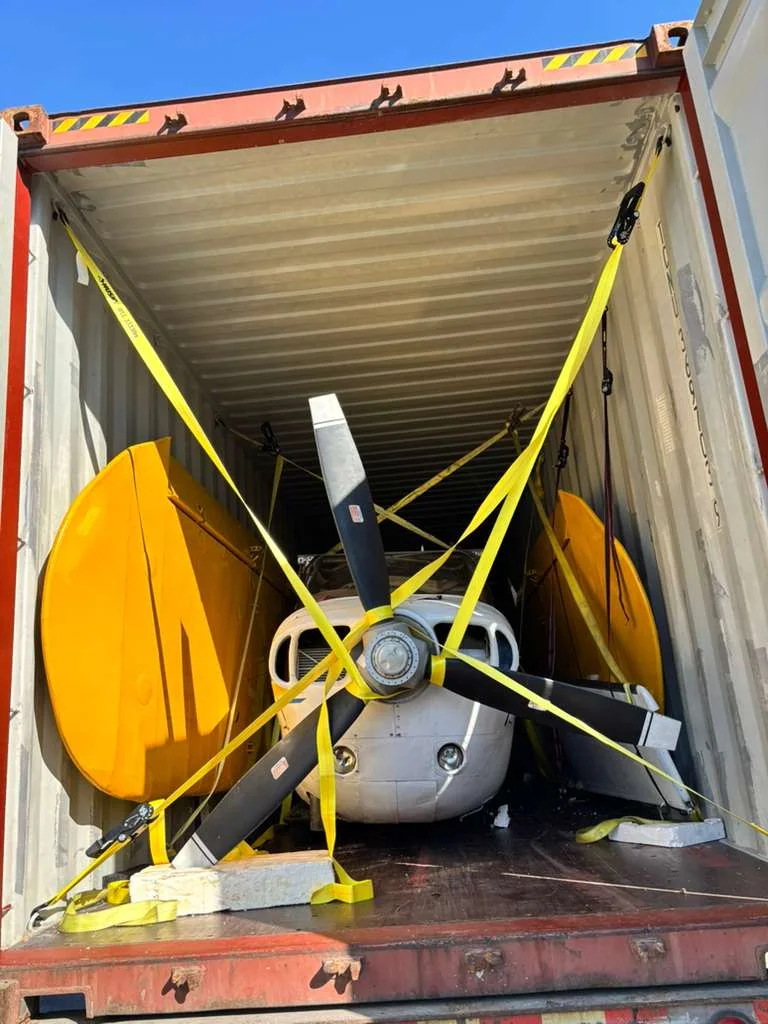
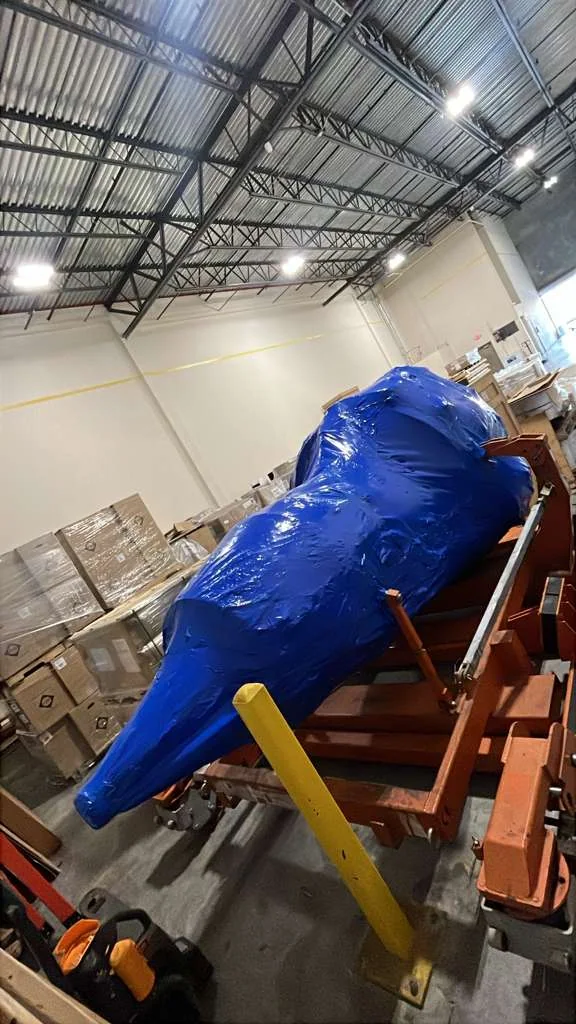
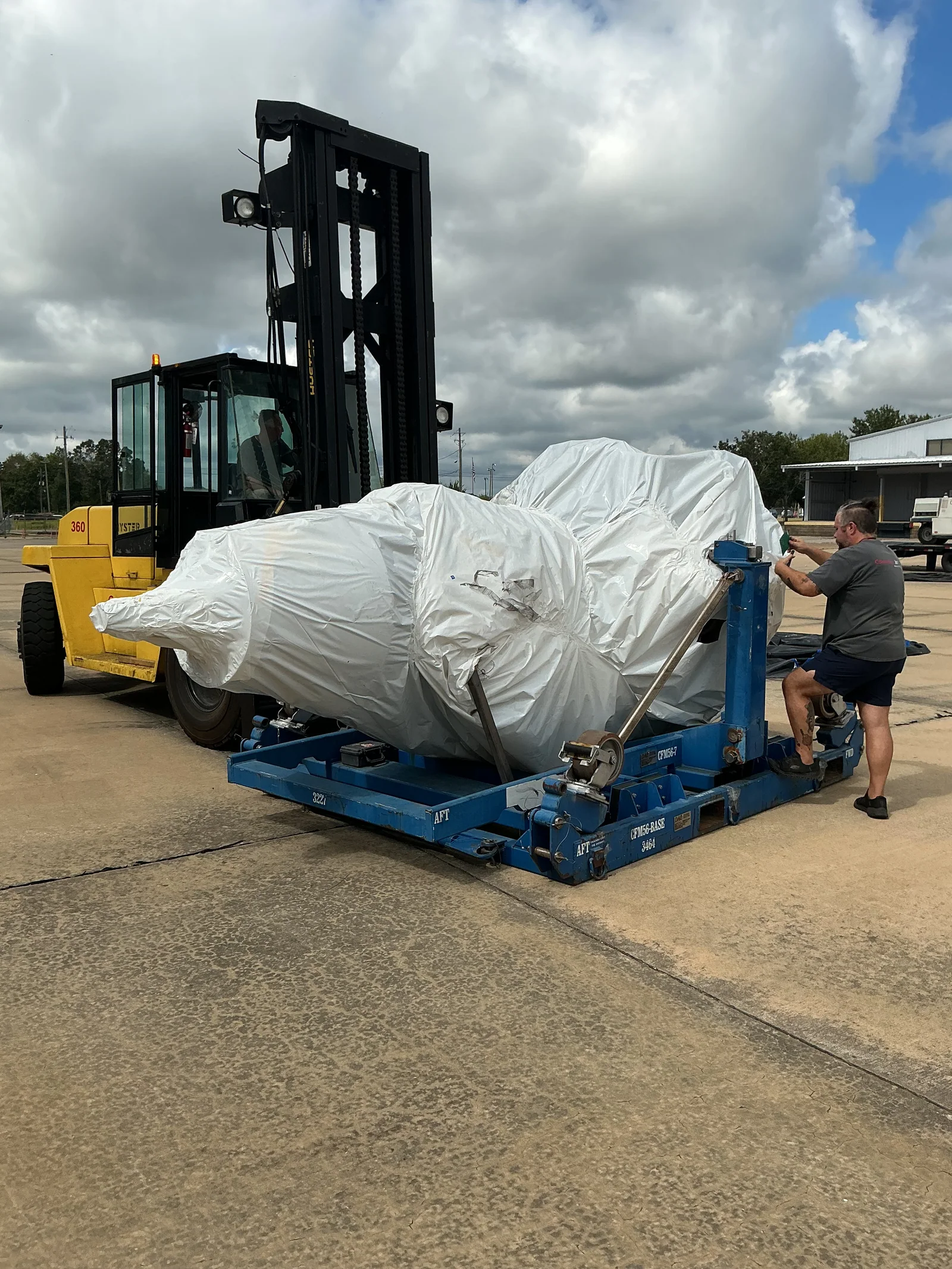
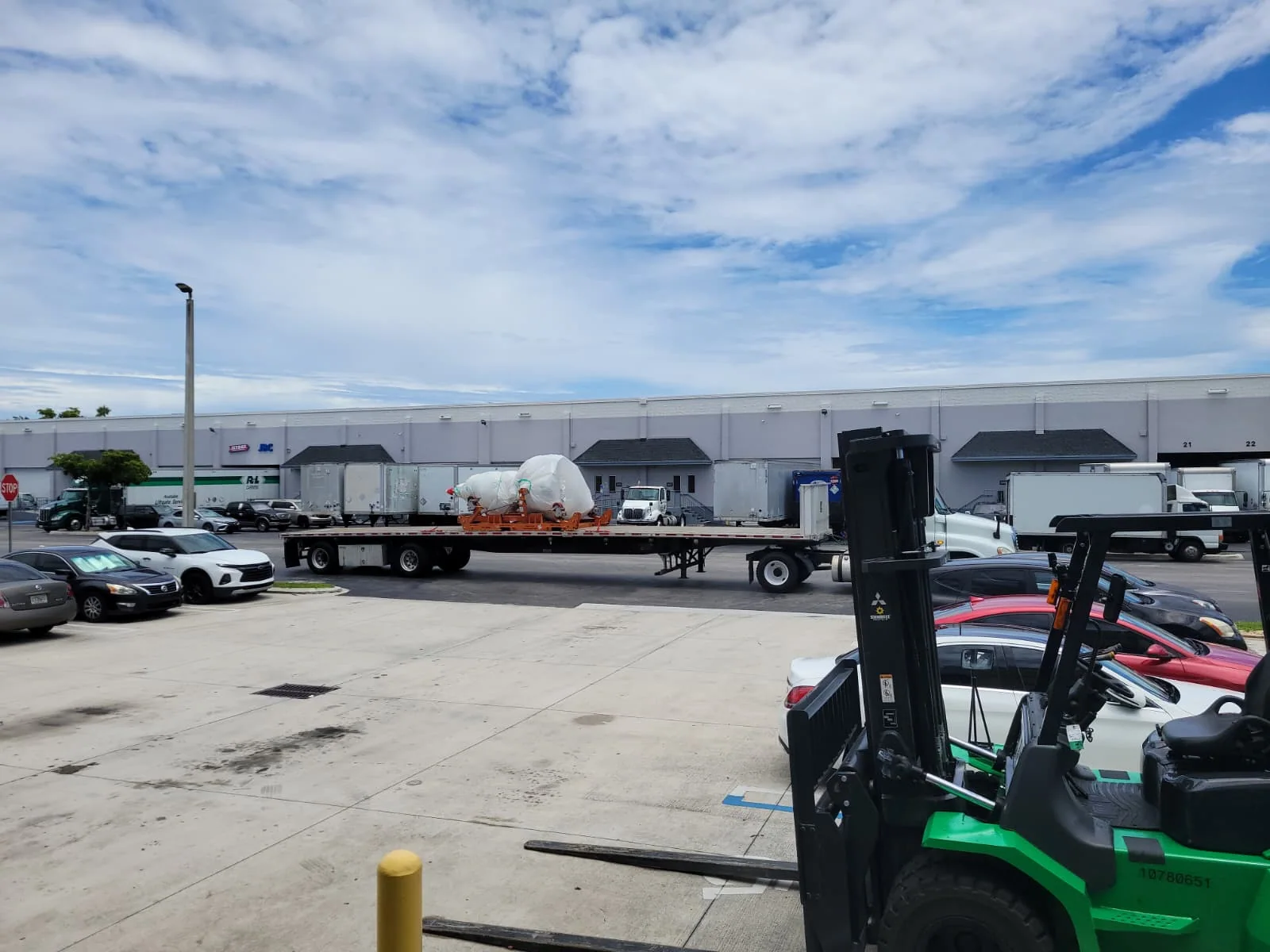
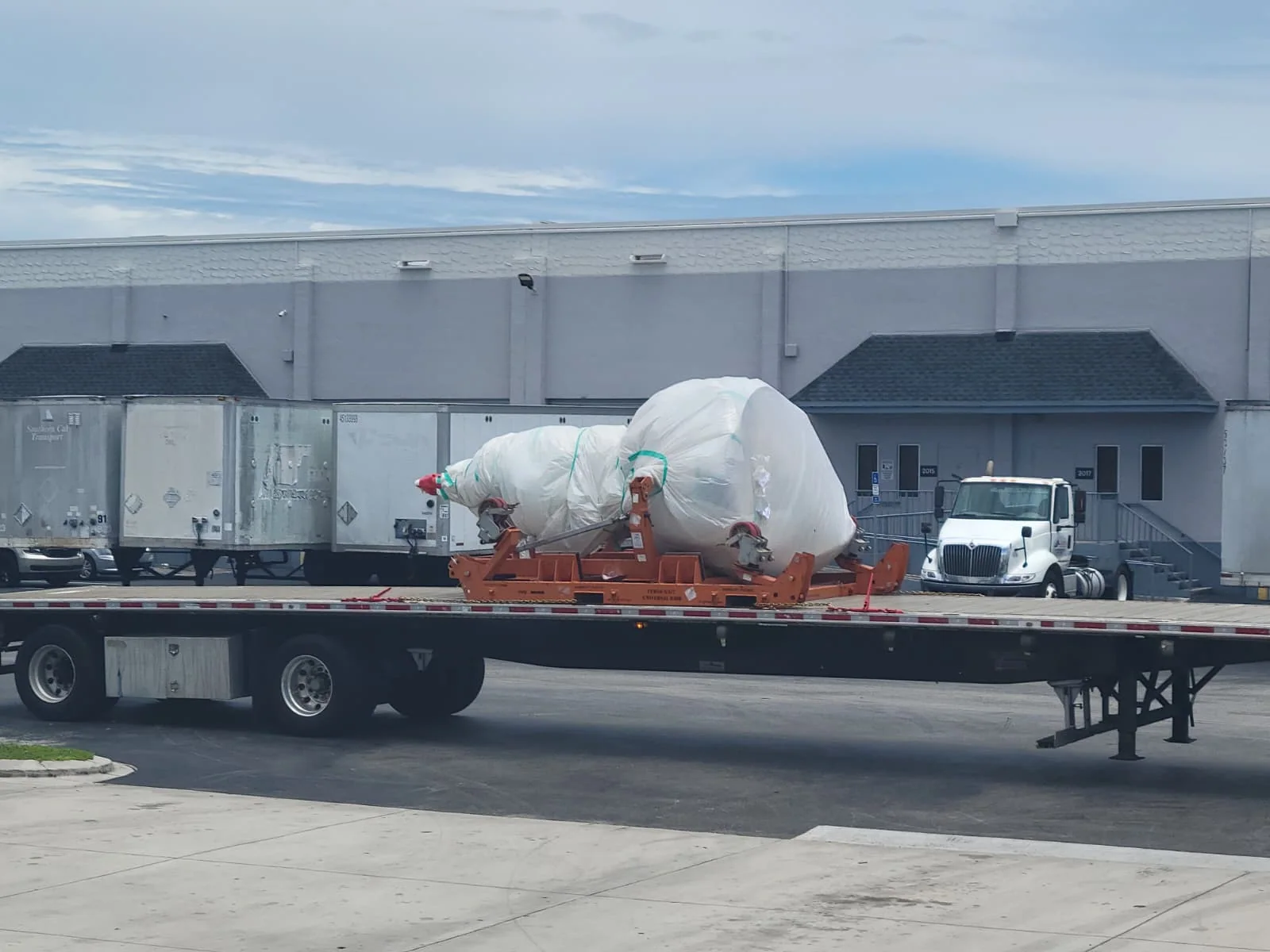
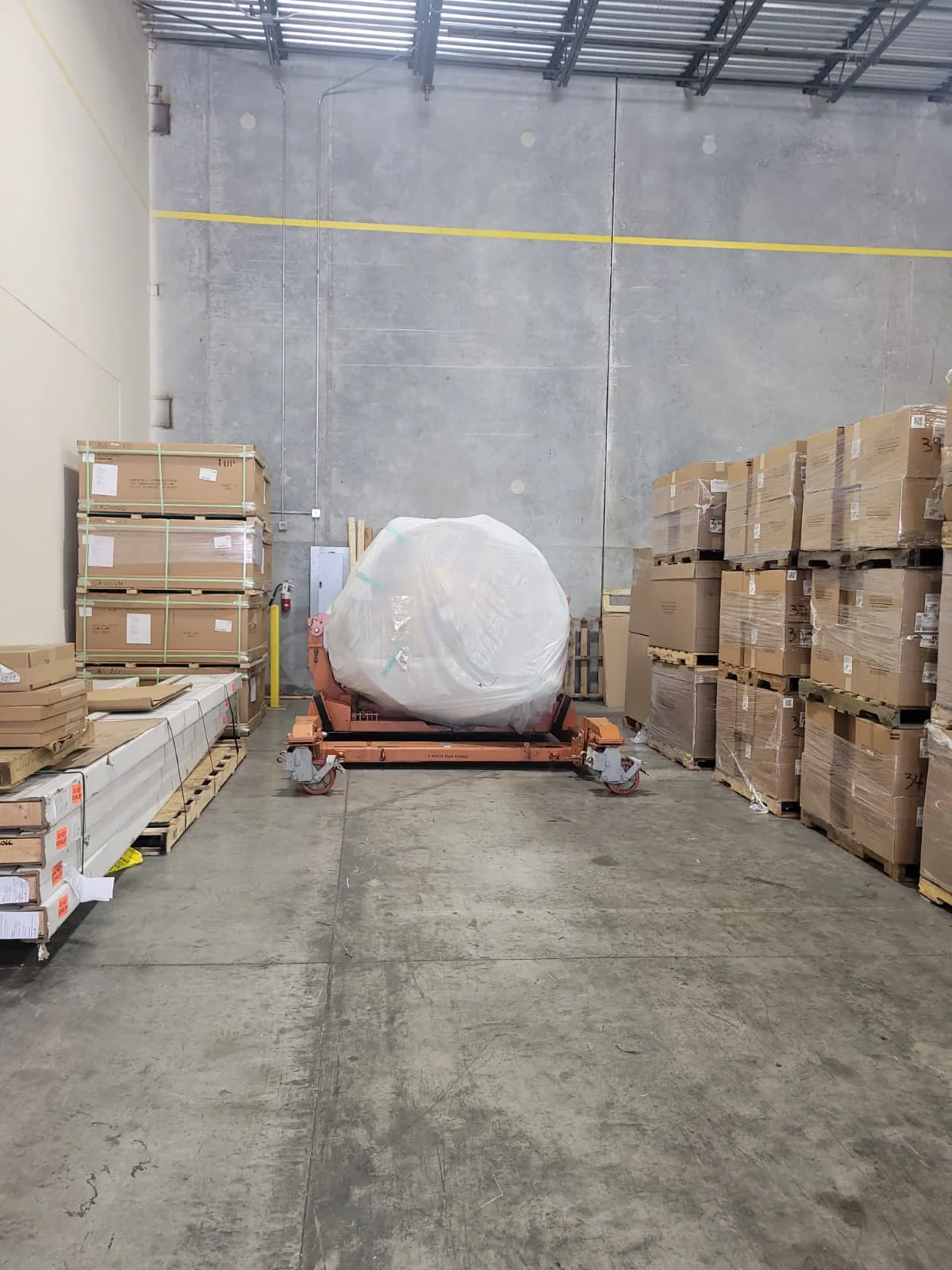
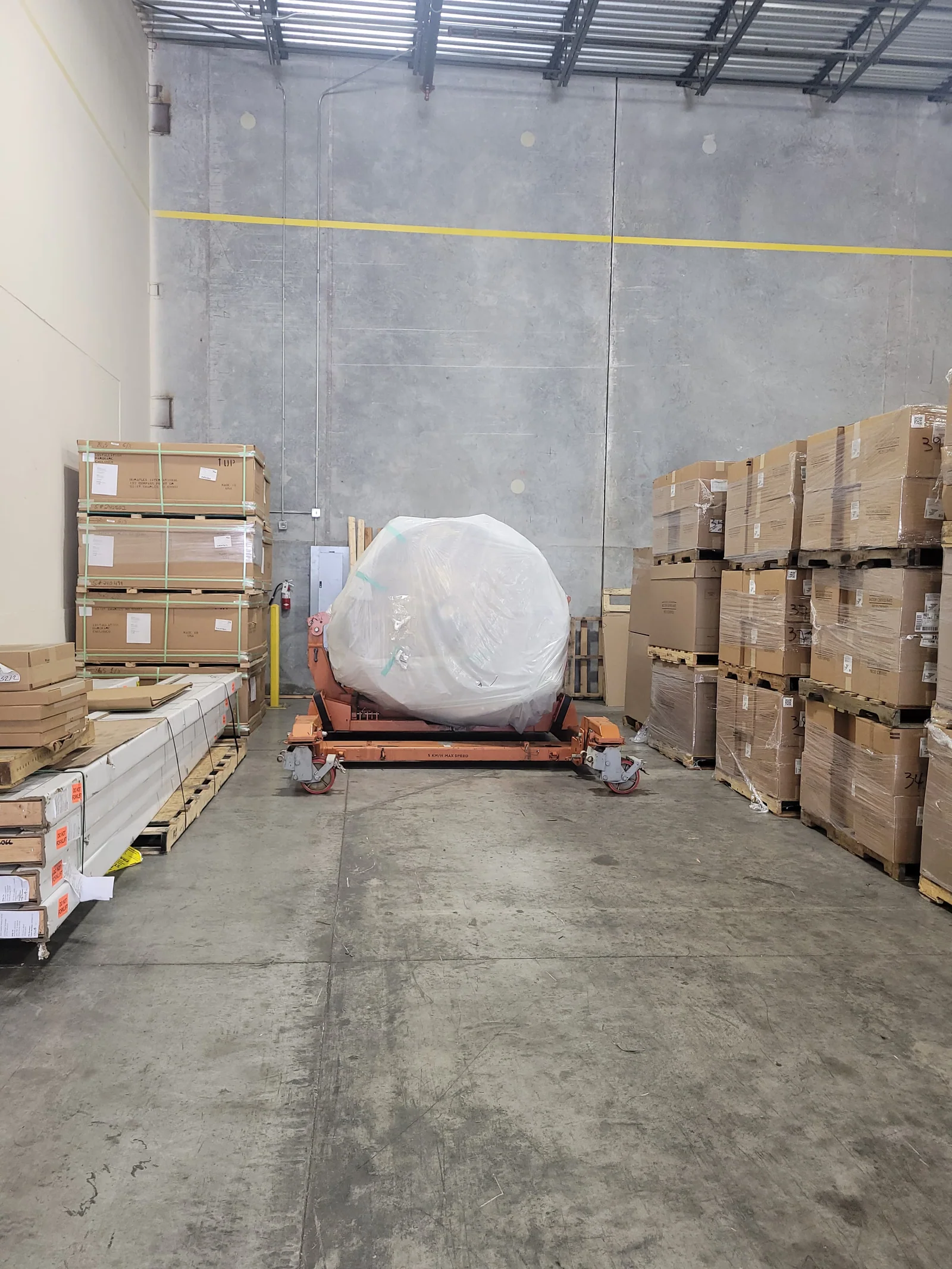
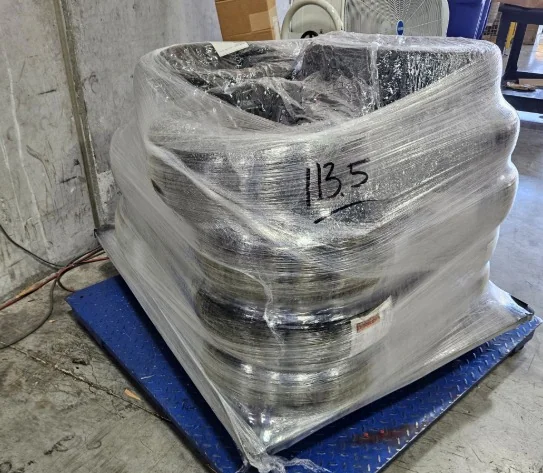
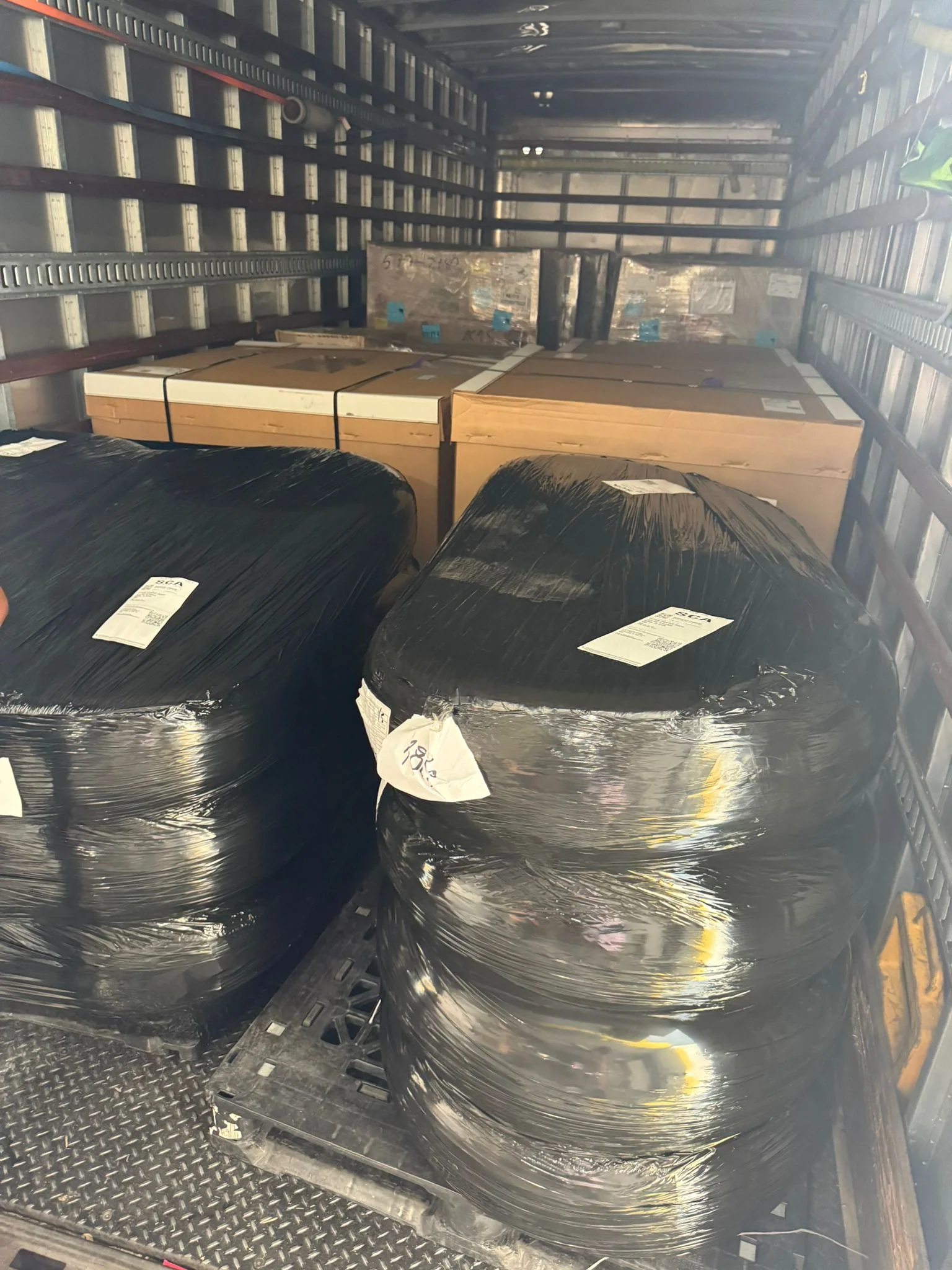
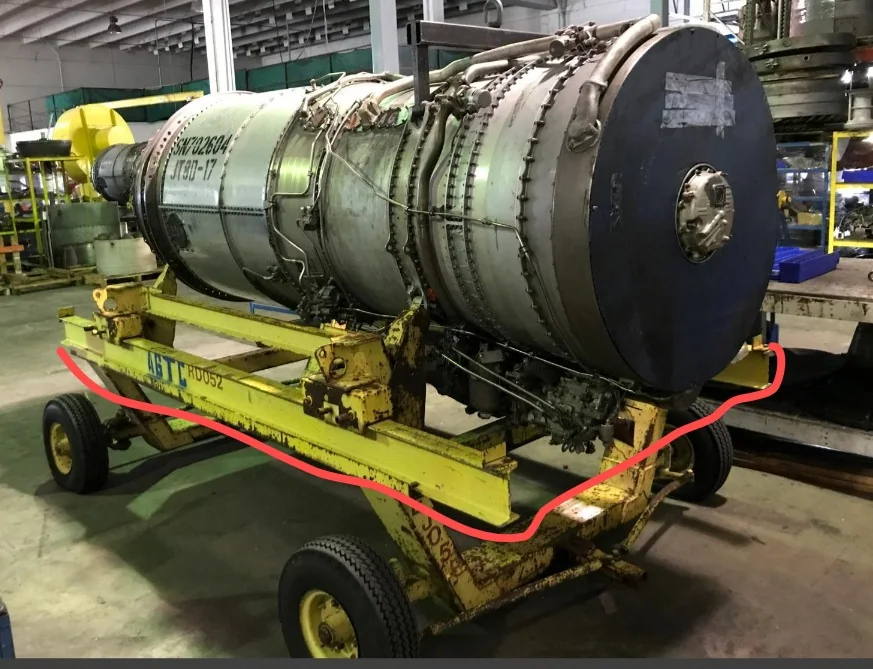
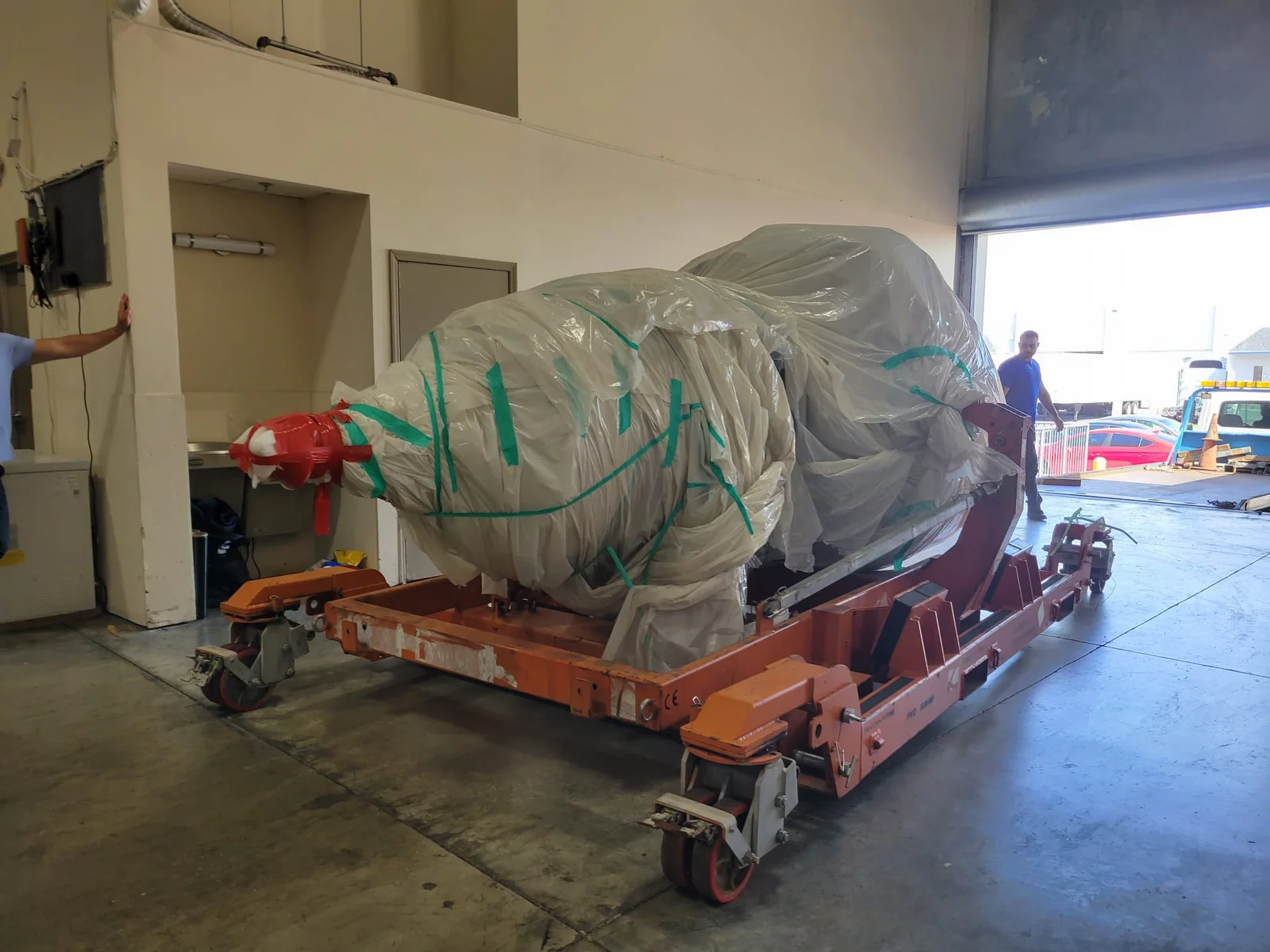
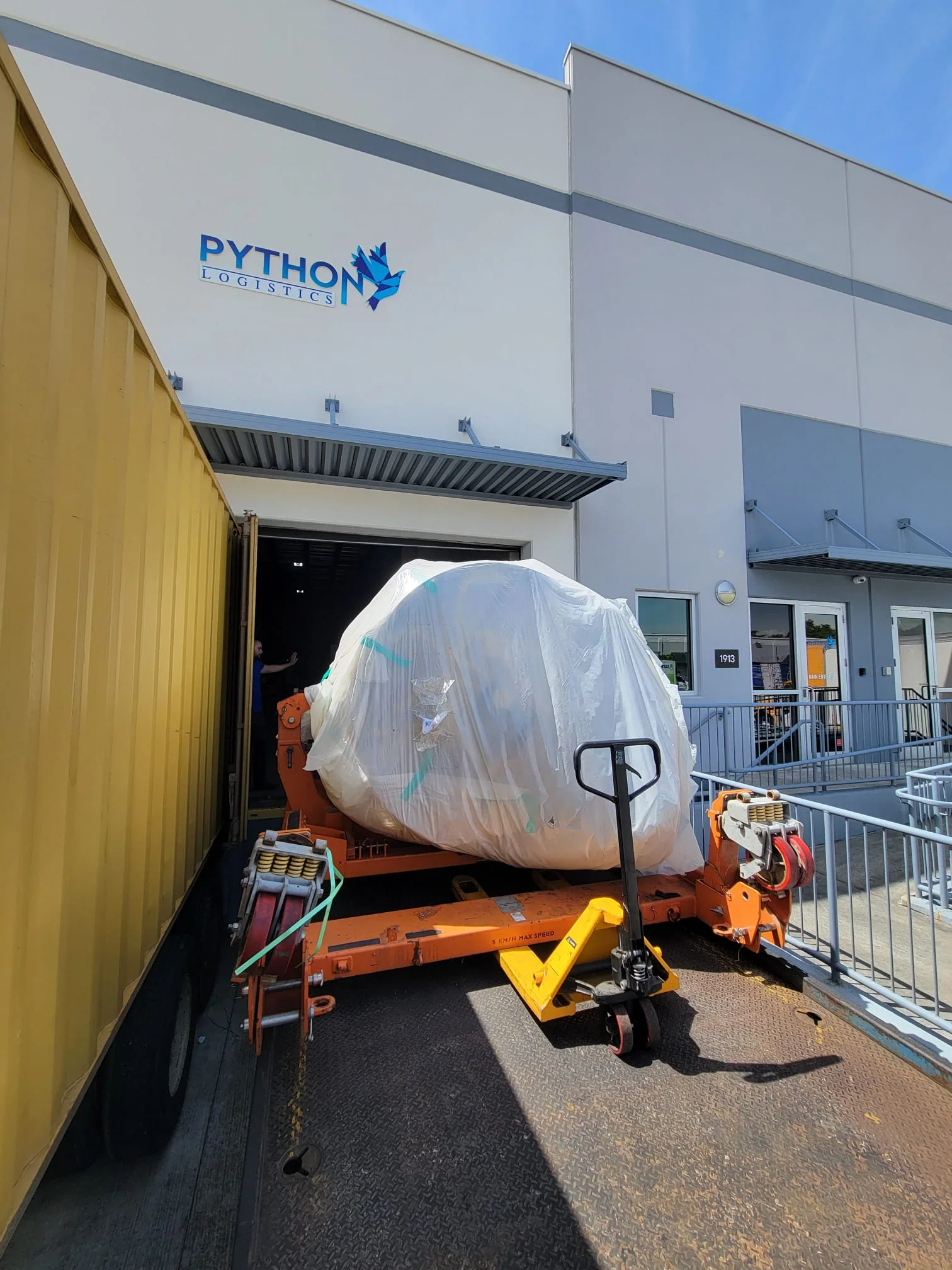
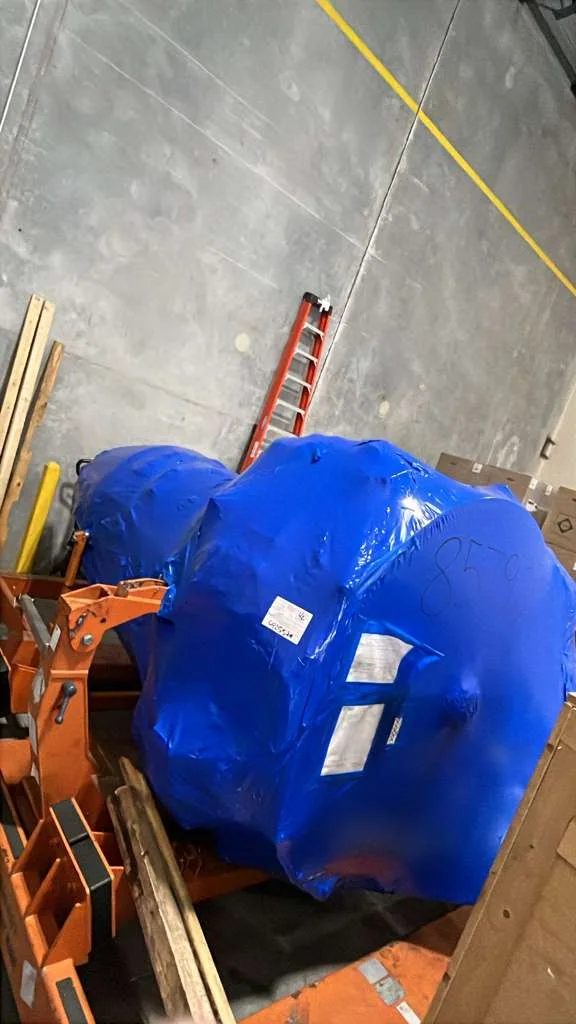
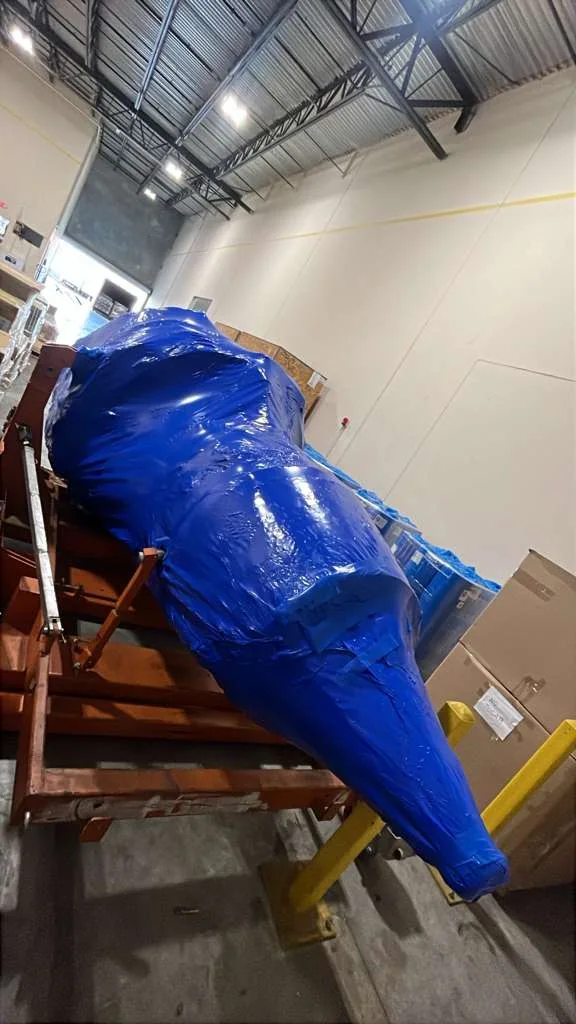
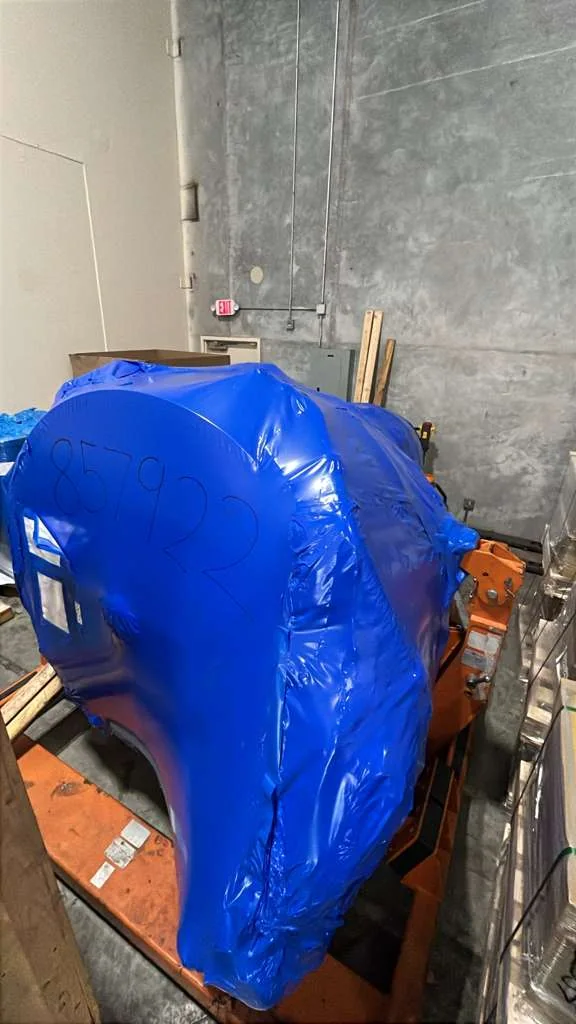
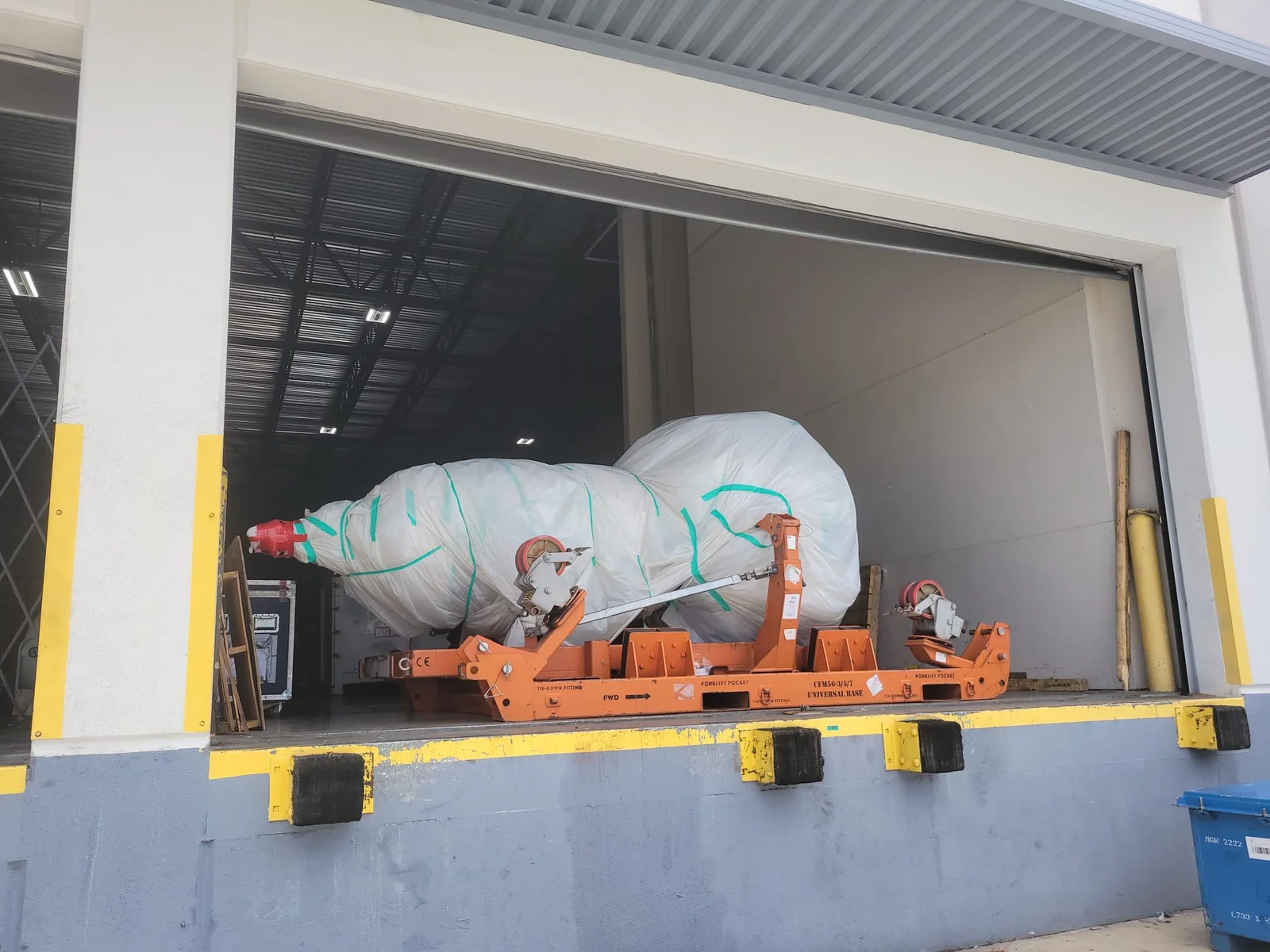
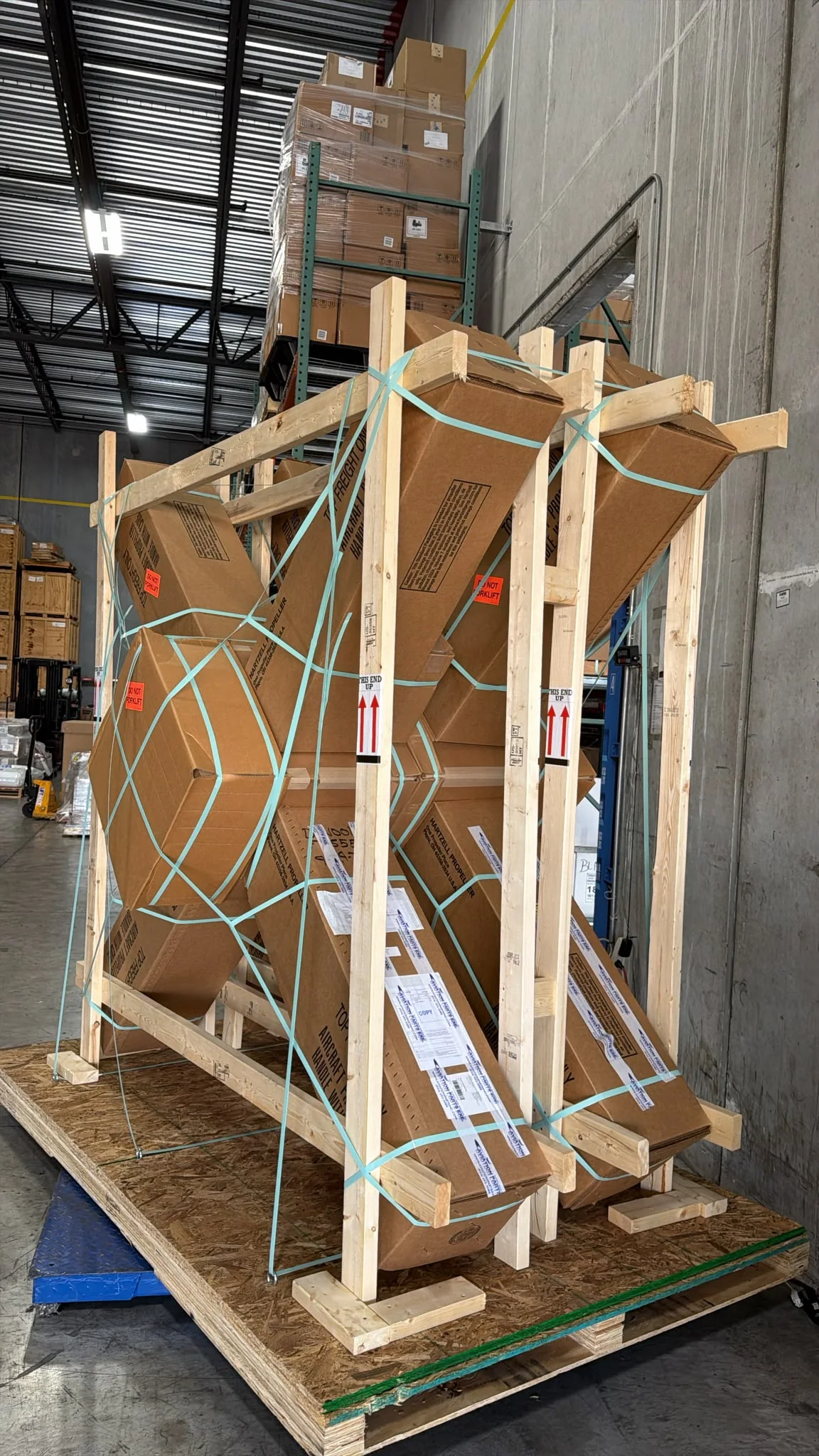
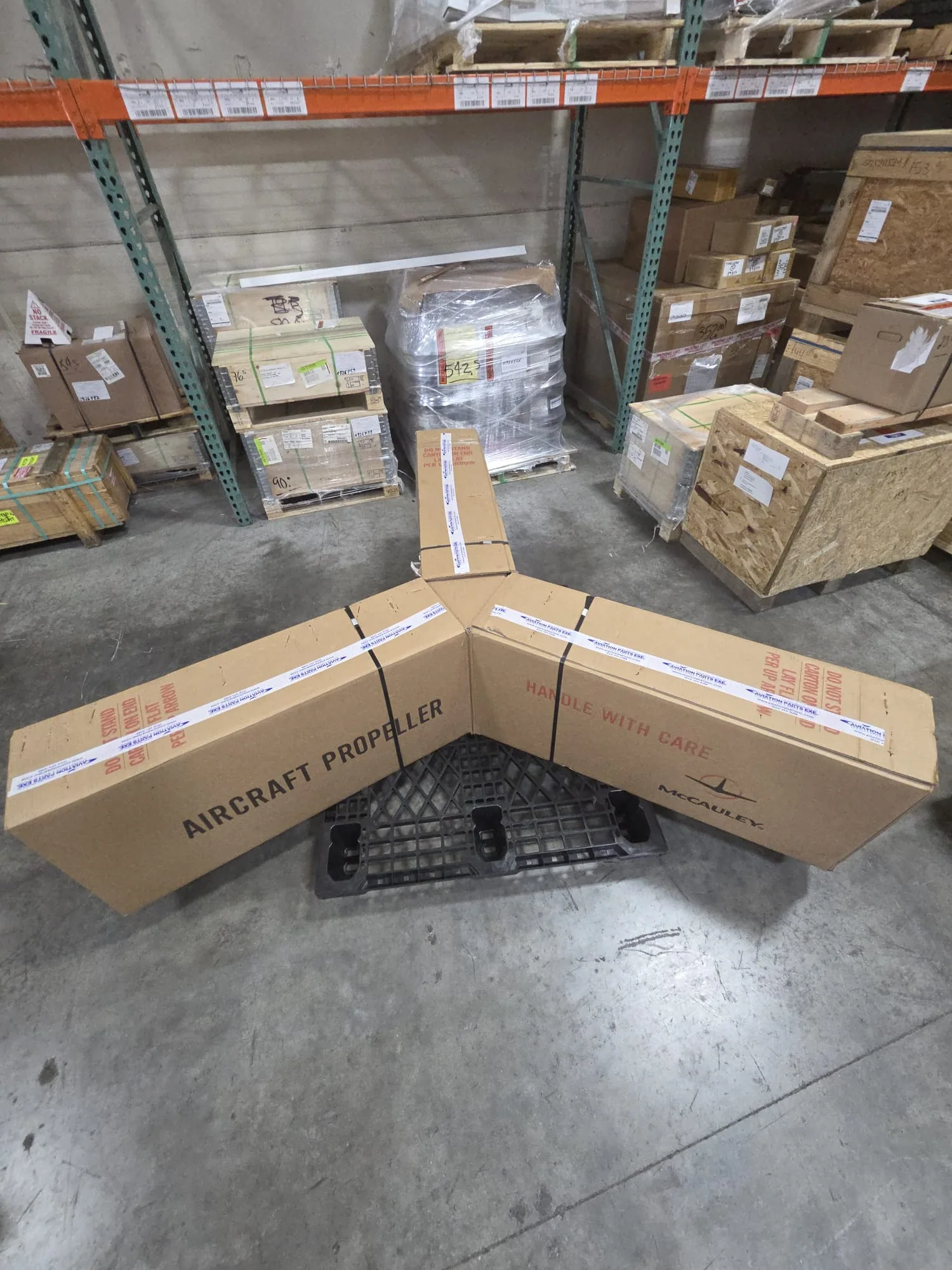
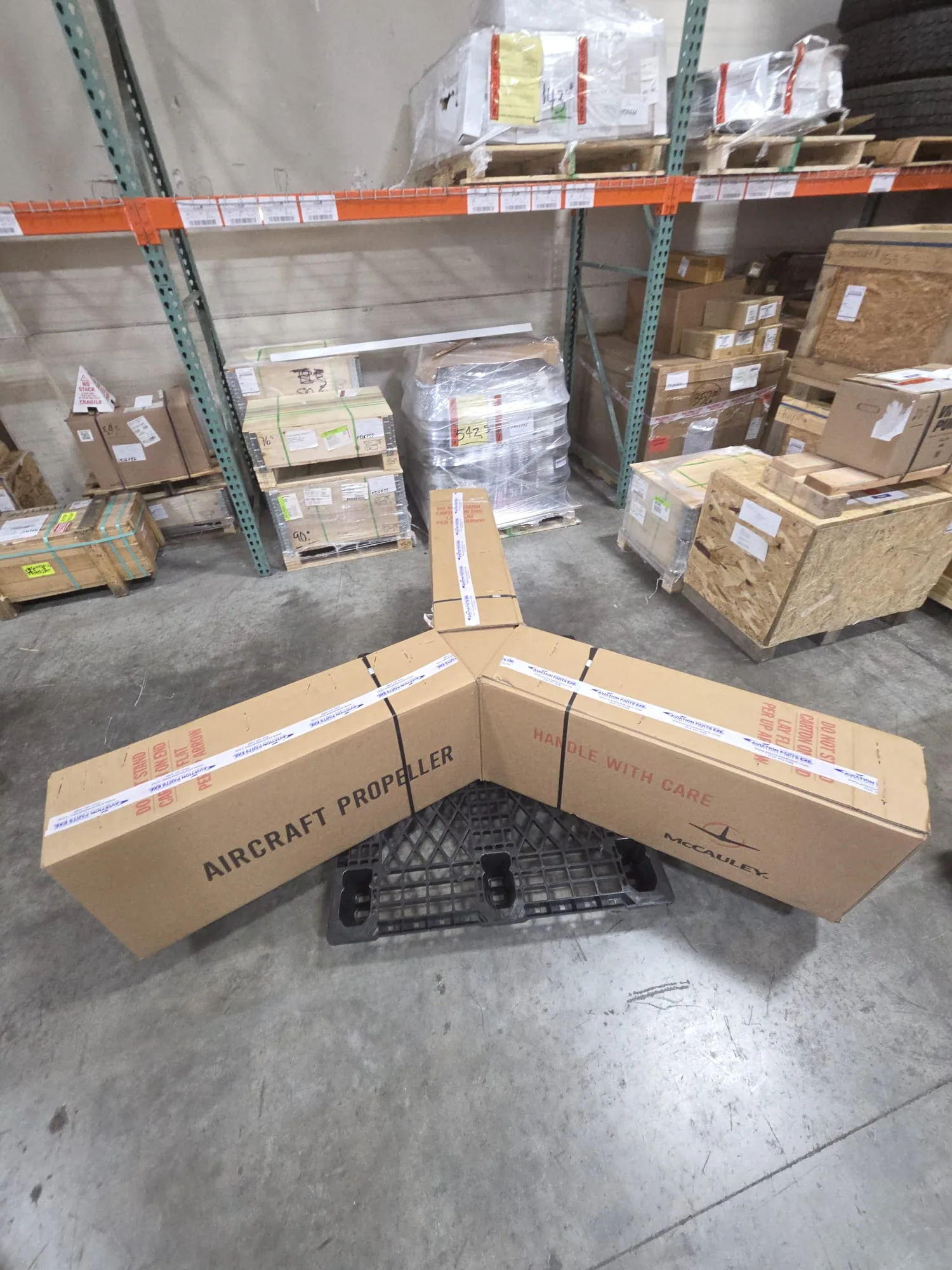
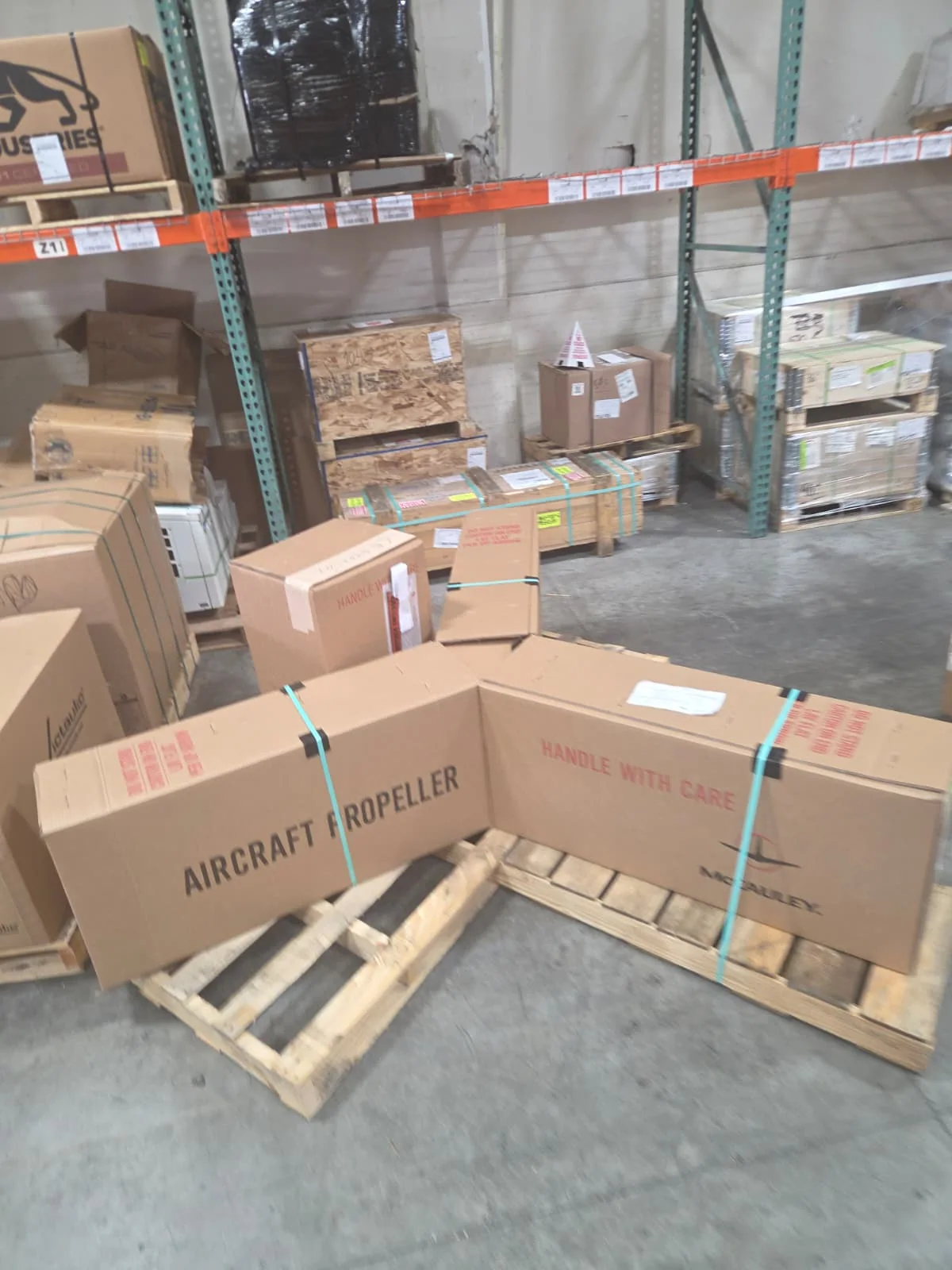
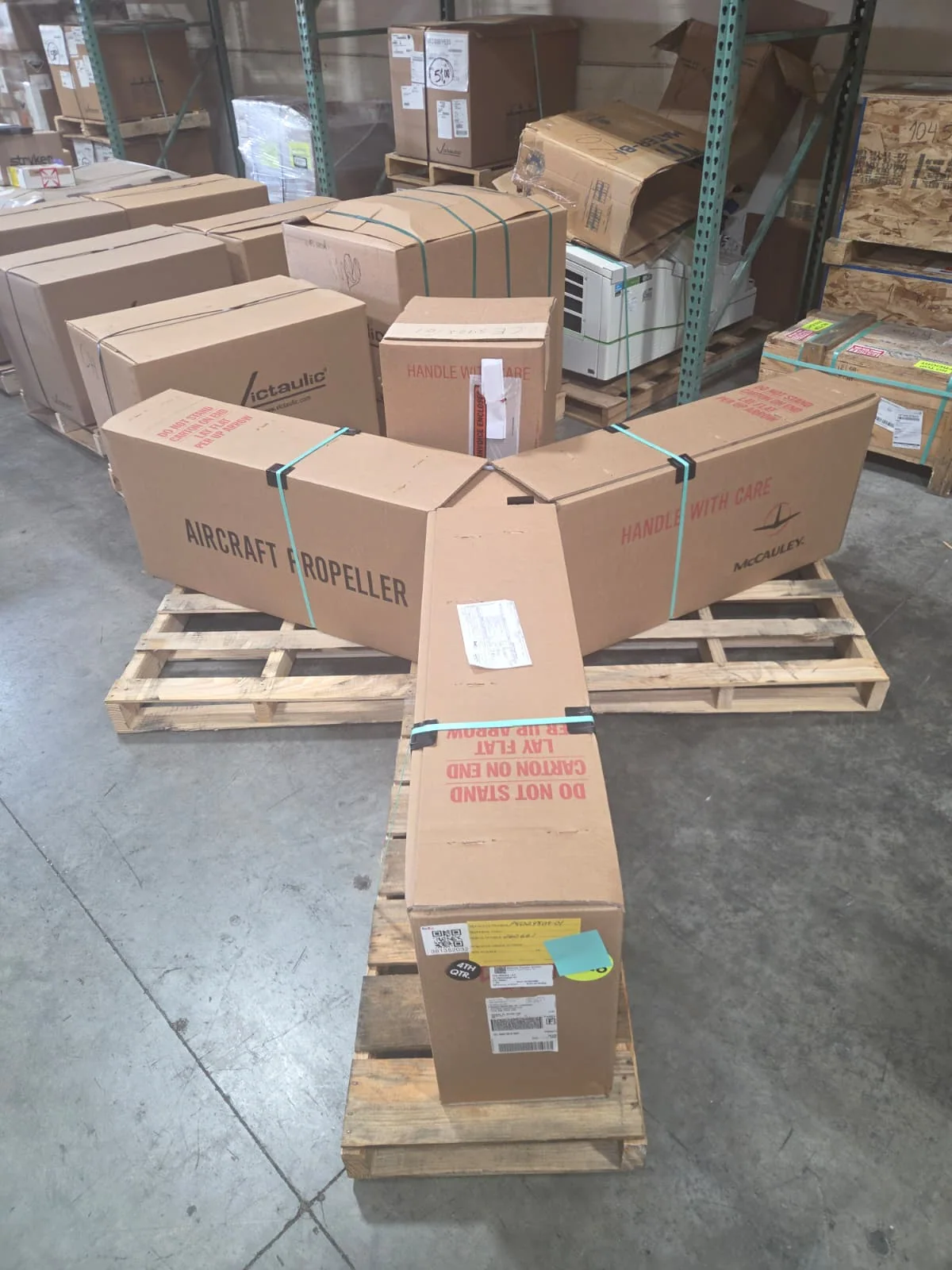
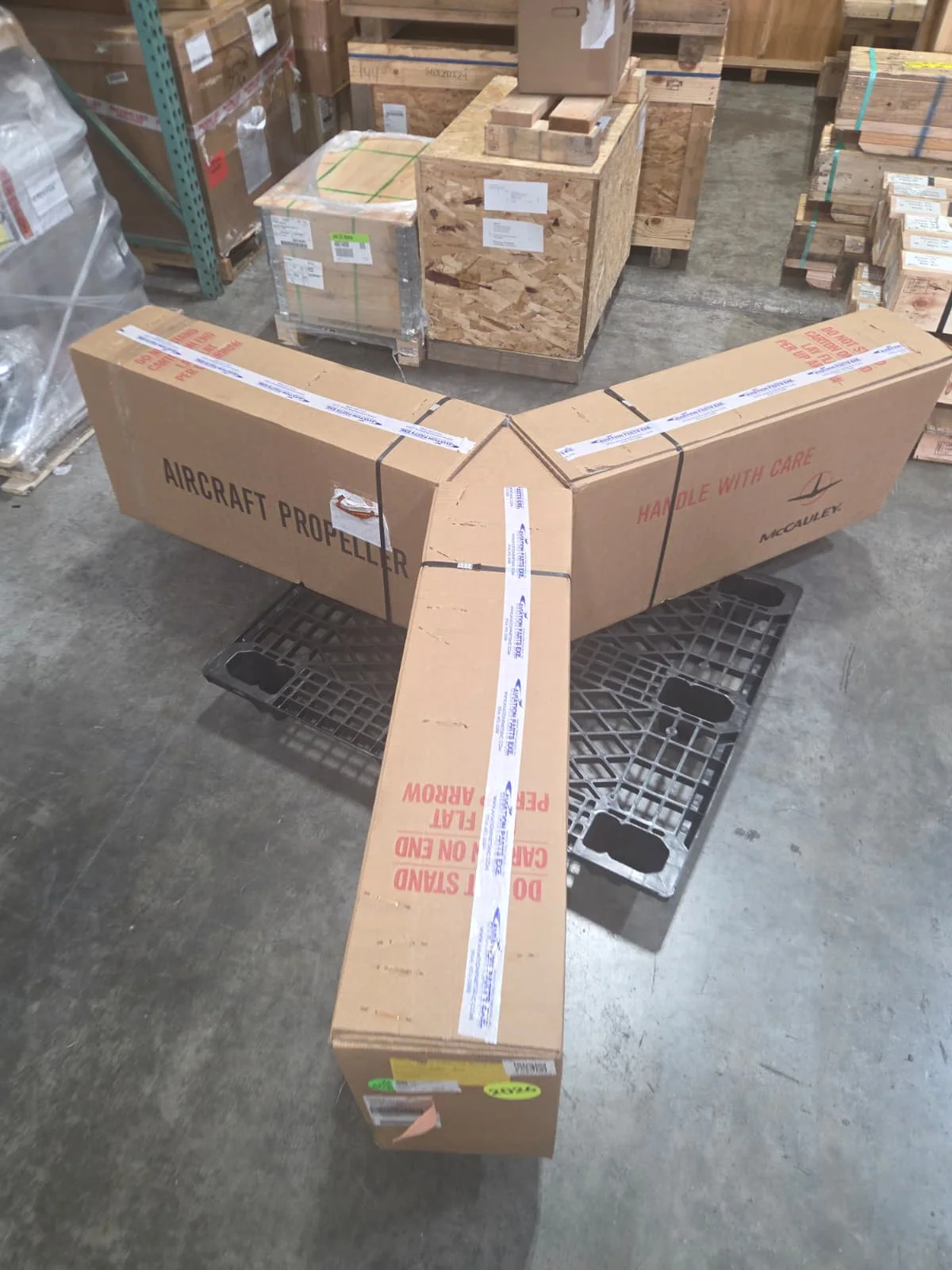
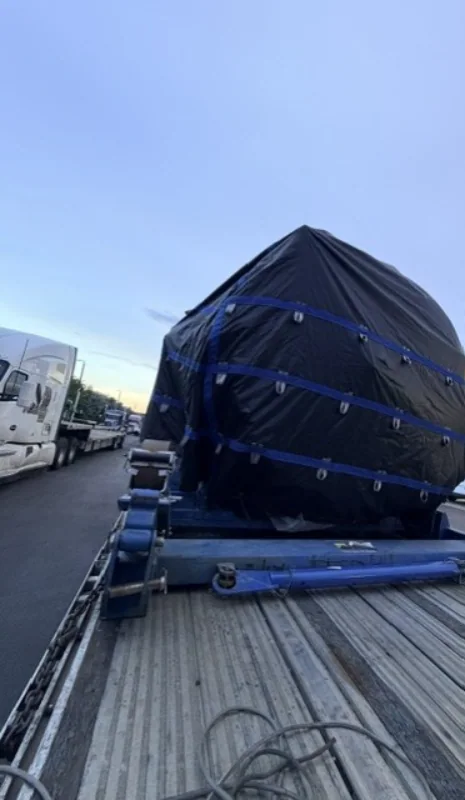
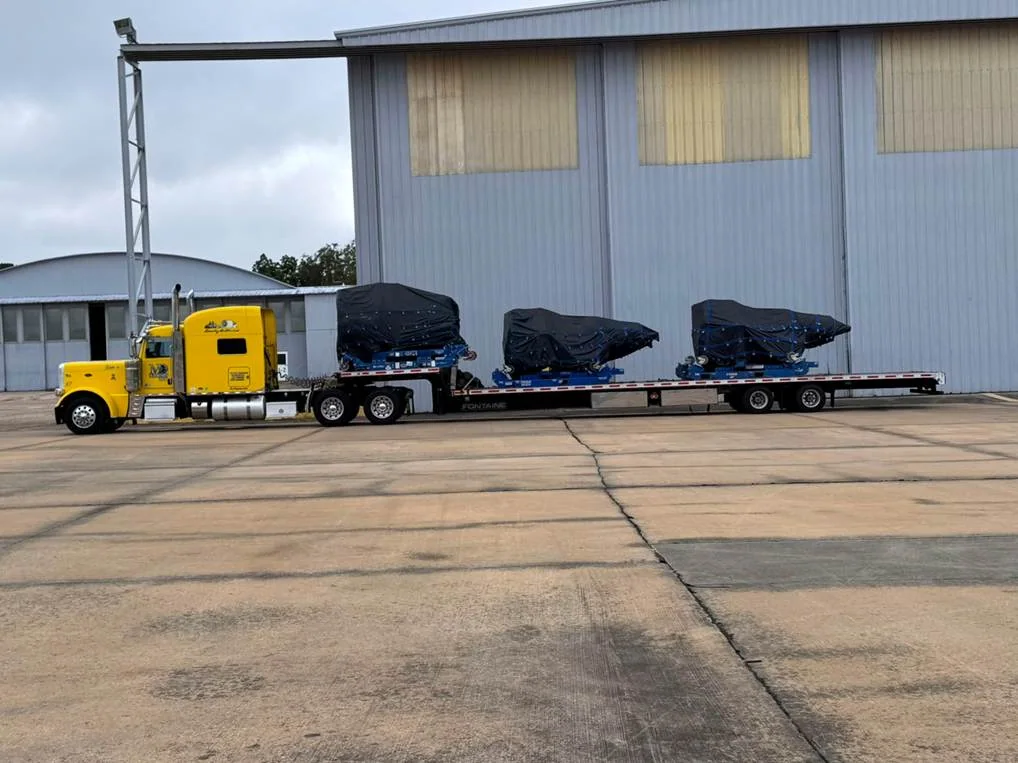
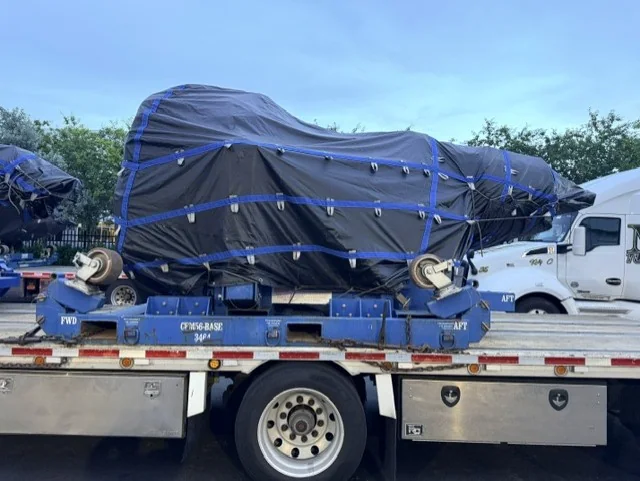
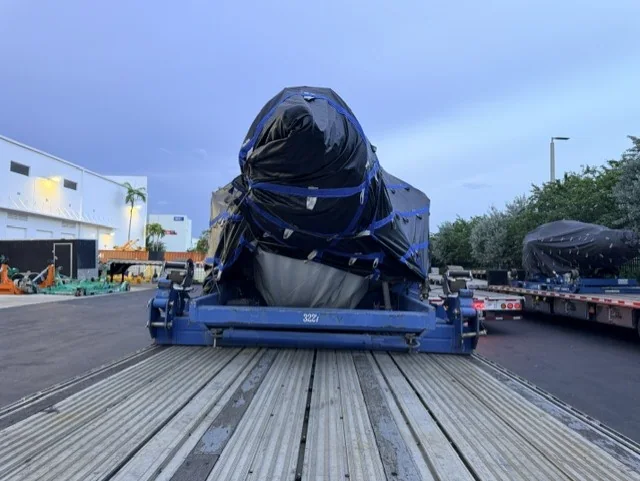
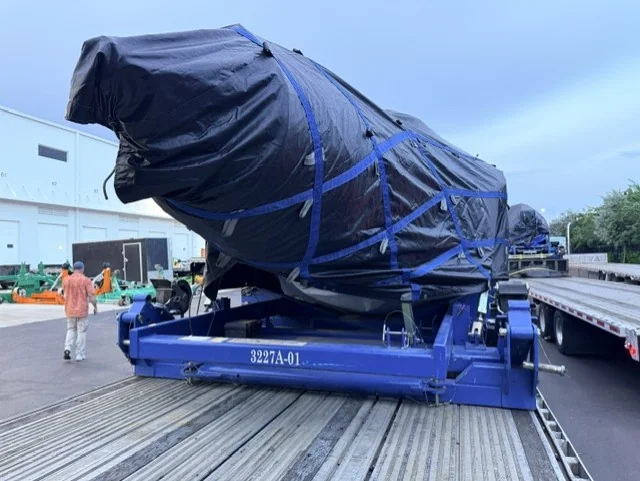
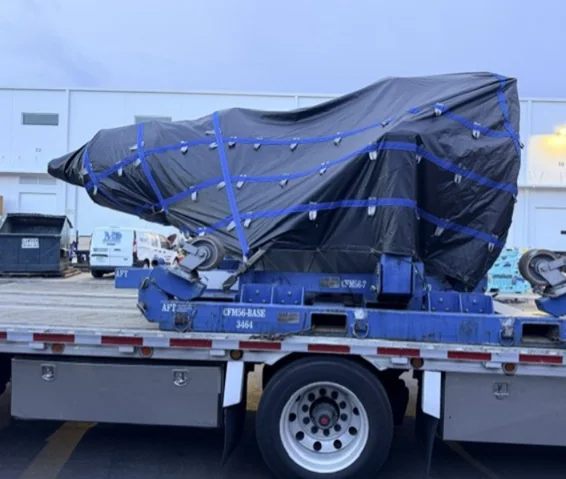
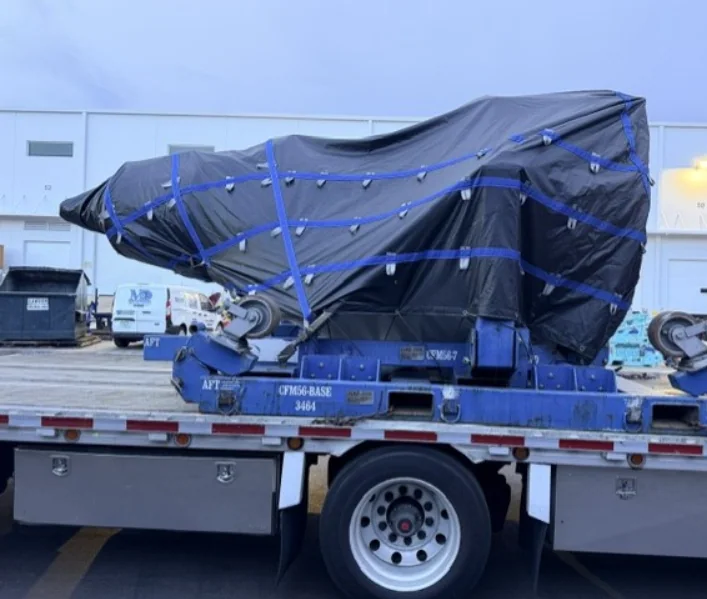
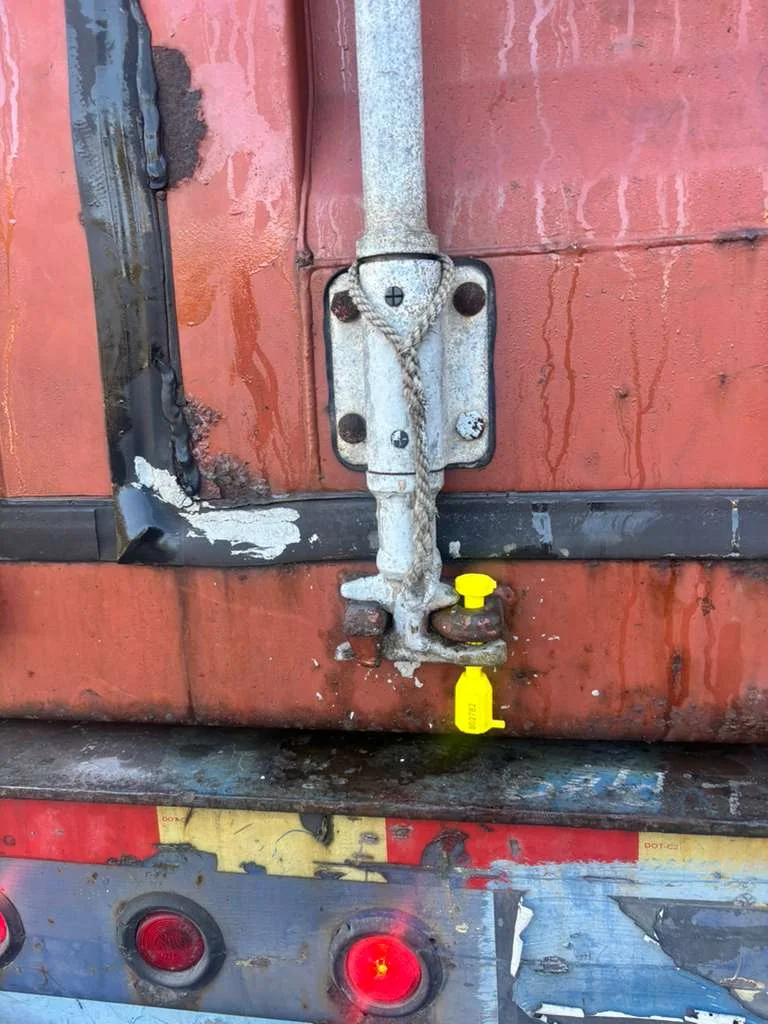
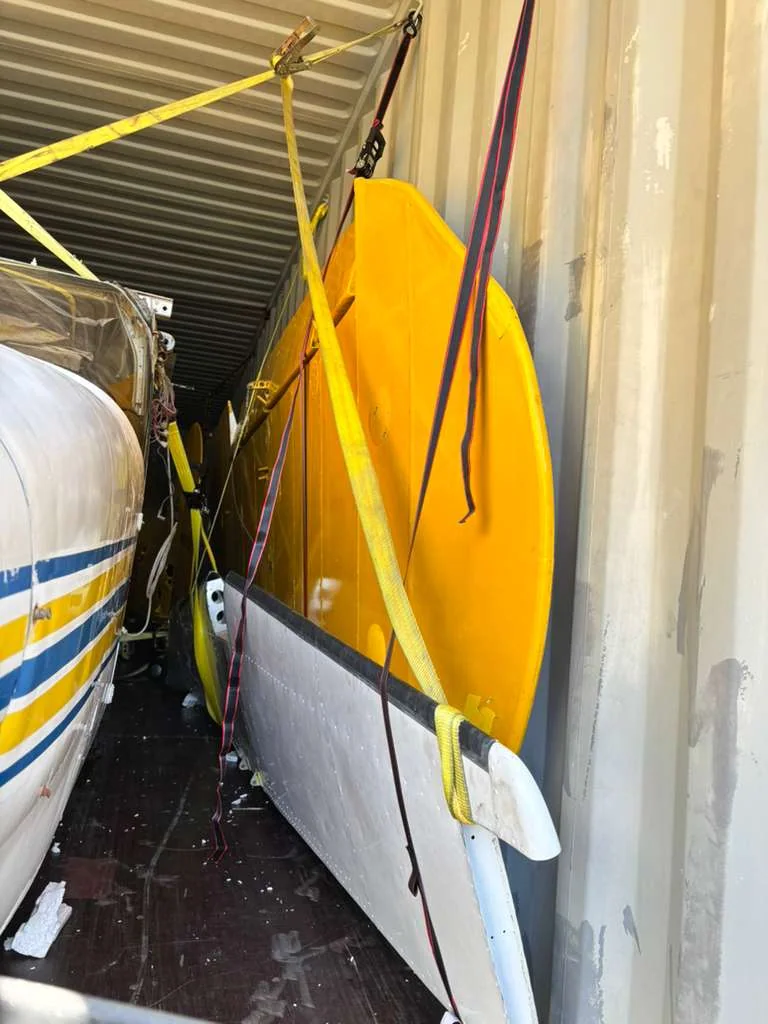
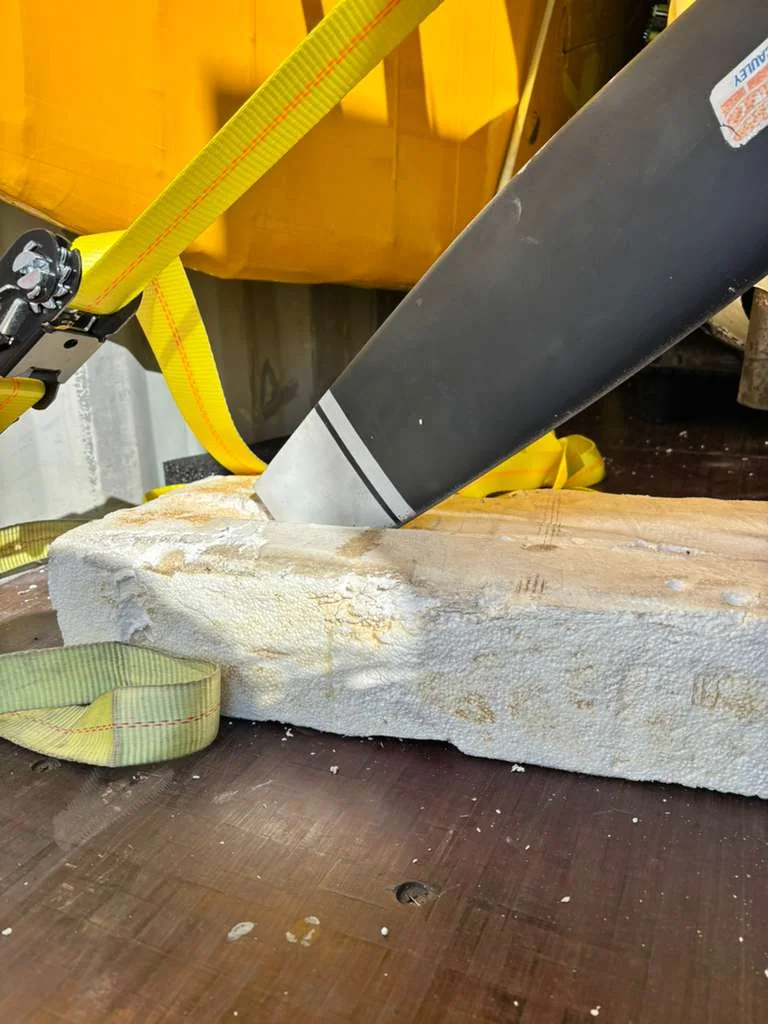
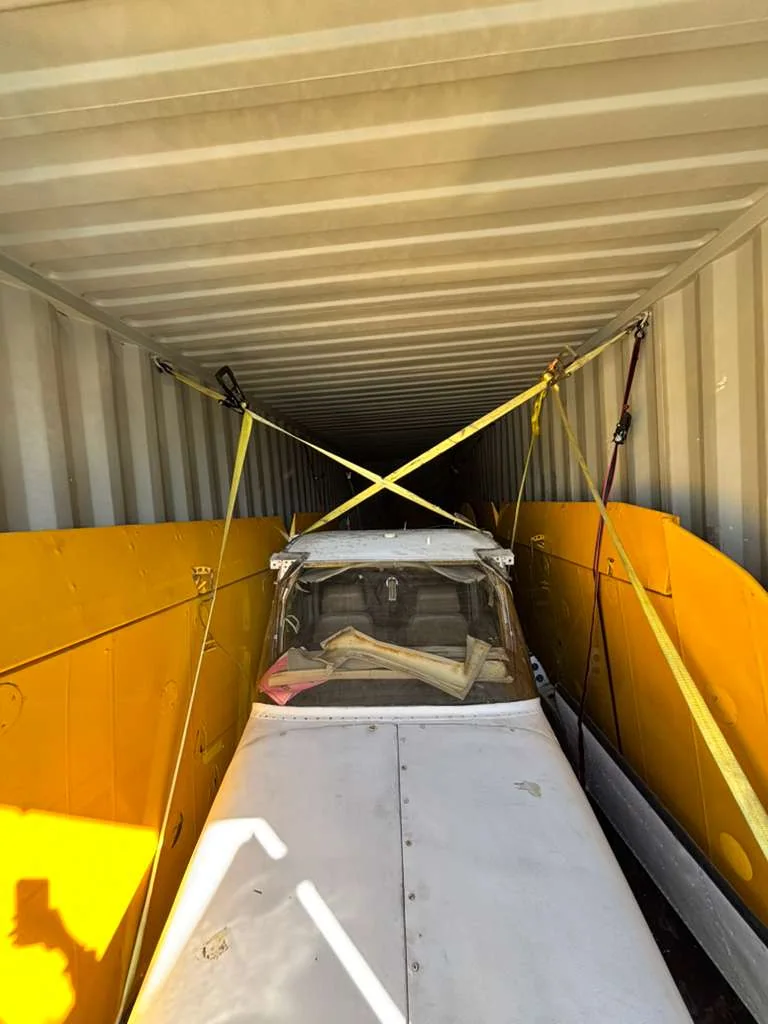
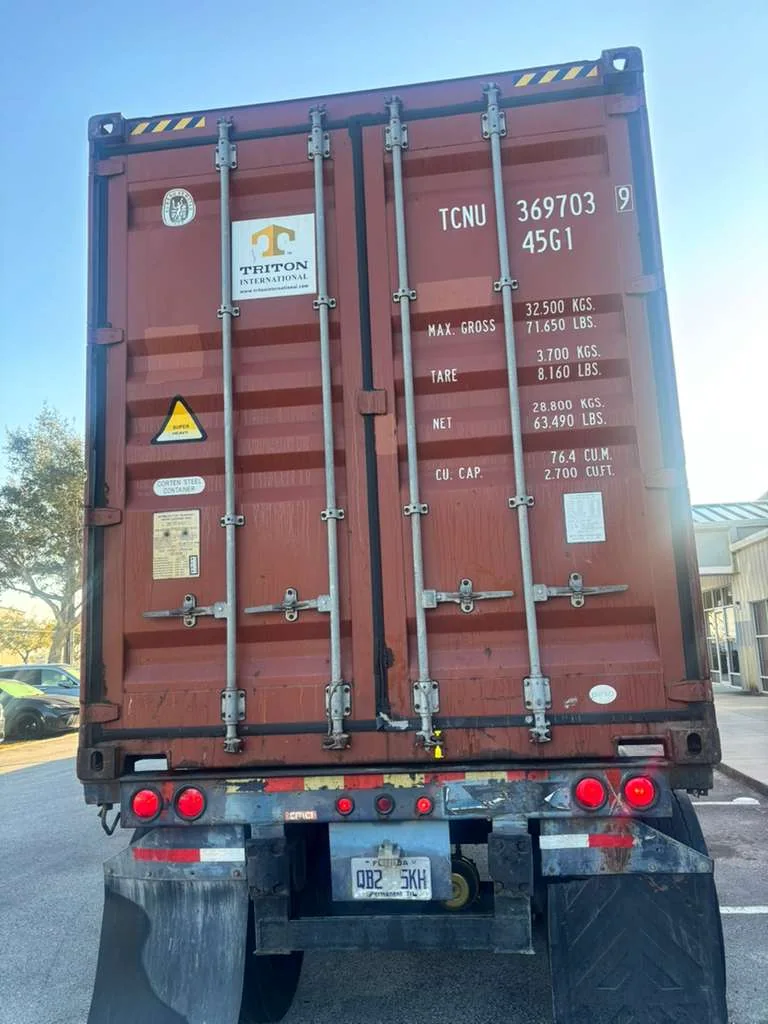
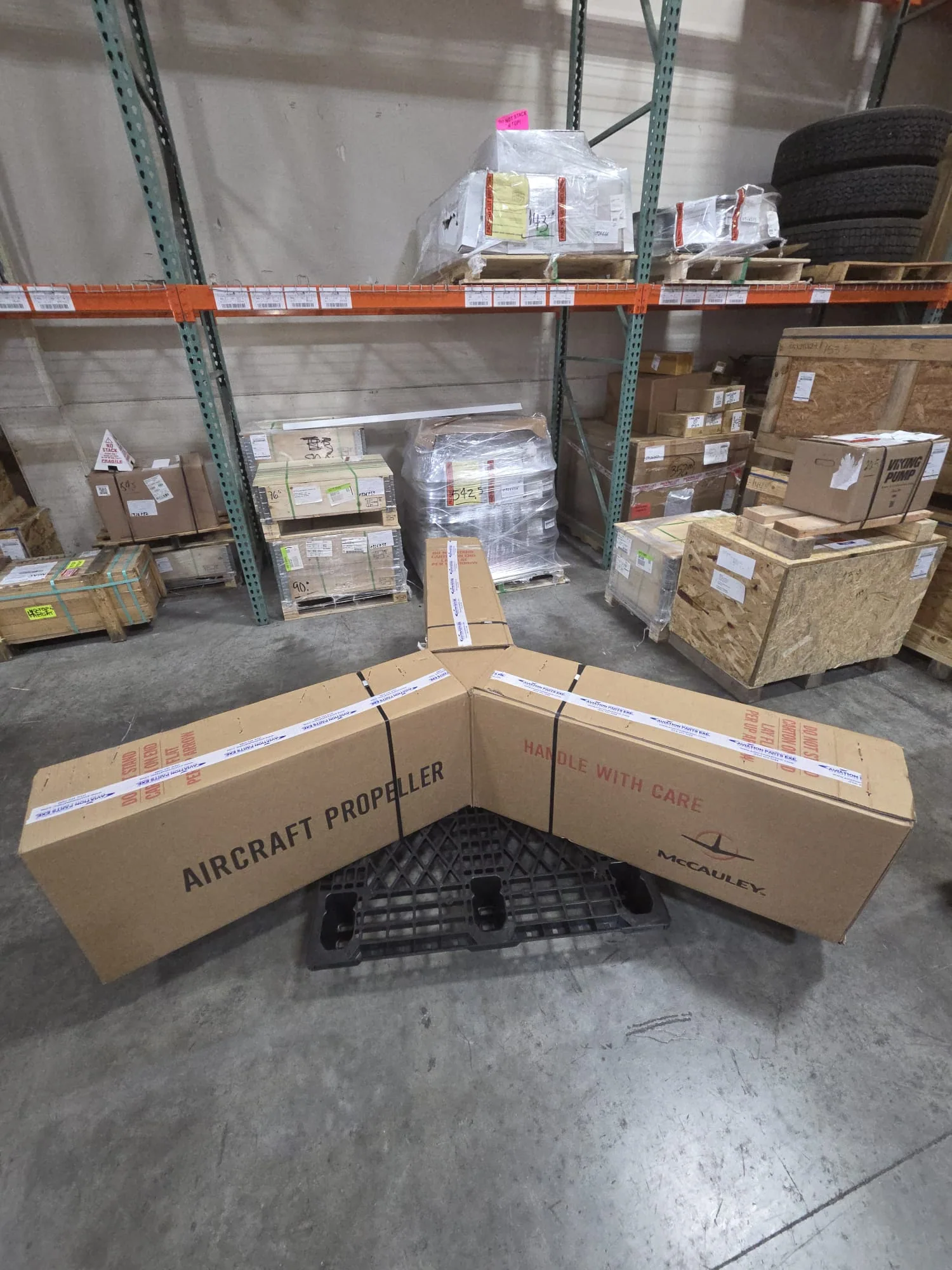
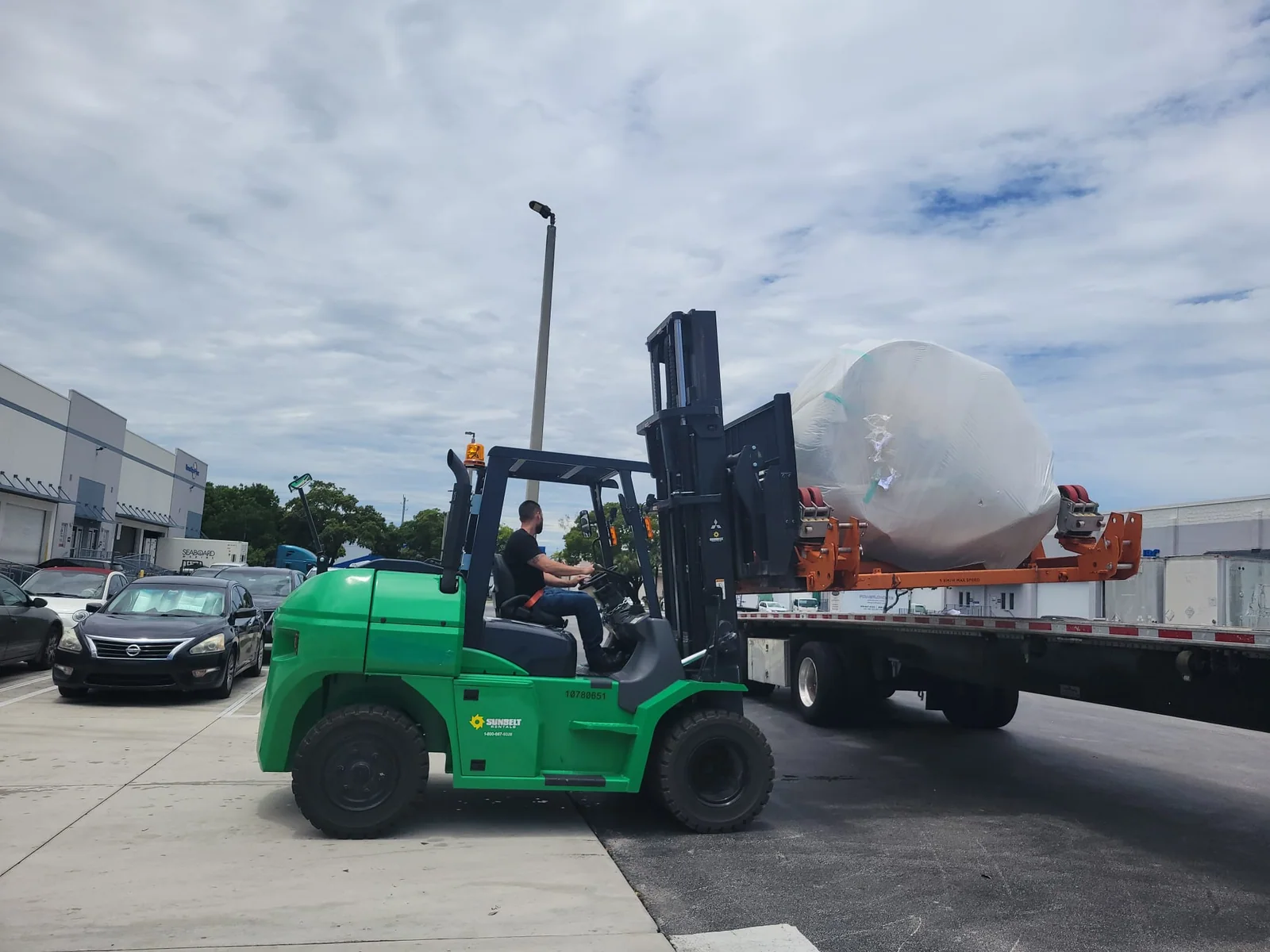
Python's aerospace capability combines operational knowledge, infrastructure in Miami and coordination across services for cargo that does not fit a routine shipping process. The collection at the end of this article brings together records from different contexts — engines, propellers, wrapped components and an aircraft inside a container — to show the range of situations that call for this level of planning.
For manufacturers, operators and freight forwarders, the starting point is a technical conversation about the equipment and the required transport flow. Python Logistics uses that information to develop a handling and transport plan suited to the project.
Need to move aerospace cargo? Talk to the Python Logistics team.
Aerospace photo collection