
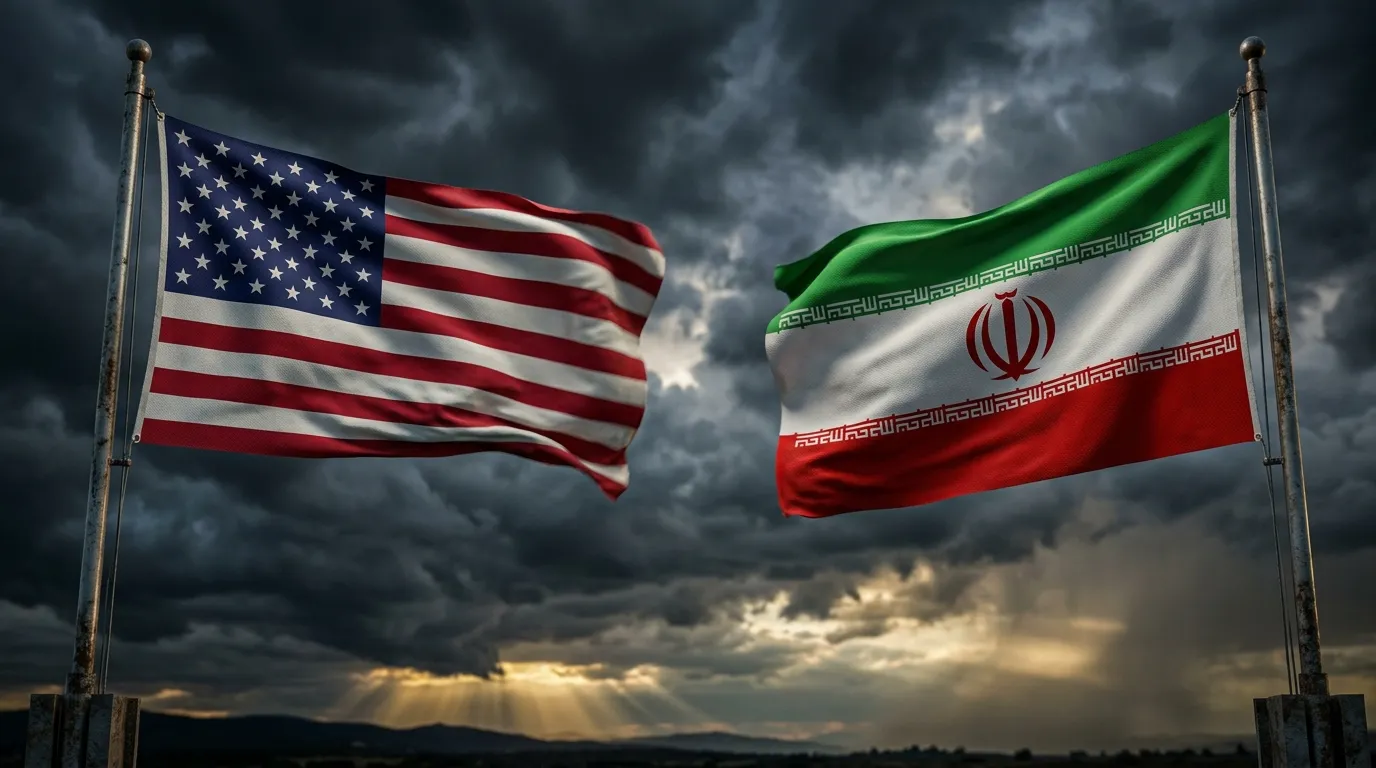
Navigating the Storm
The recent escalation of conflict in the Middle East is sending shockwaves through global supply chains. As geopolitical tensions rise between the US, Israel, and Iran, the logistics industry faces unprecedented challenges. At Python Logistics, we are constantly monitoring the situation to keep our clients' cargo moving safely.
The Domino Effect on Ocean Freight
The most immediate and severe impact is on ocean shipping. With the heightened risks in the Strait of Hormuz and the Red Sea, many major shipping lines are completely avoiding the Suez Canal. Vessels are now taking the long route around the Cape of Good Hope, adding weeks to transit times and straining global capacity.
Pressure on Air Freight: A Fast, but Costly Alternative
As ocean routes become clogged and delayed, the demand for air freight has skyrocketed. However, airspace restrictions over the Middle East mean aircraft must fly longer, alternative routes. This increases fuel consumption and limits overall capacity, driving up air cargo rates significantly.
Insurance Premiums and Oil Prices
The geopolitical uncertainty has led to a spike in War Risk Insurance premiums for vessels entering conflict zones. Furthermore, the volatility in global oil prices directly impacts the Bunker Adjustment Factor (BAF), leading to unpredictable sea freight costs.
Python Logistics: Your Resilient Partner
In times of crisis, agility is key. We are leveraging our global network to provide:
- Alternative Multimodal Routes: Combining sea, air, and land transport to bypass bottlenecks.
- 24/7 Route Intelligence: Continuous monitoring of vessels and flight paths.
- Strategic Buffer Planning: Helping clients manage inventory despite longer transit times.
"Global trade doesn't stop for conflict. It adapts. Our priority is ensuring that your supply chain remains resilient, no matter the challenges ahead."